Backflow devices protect drinking water from your sprinkler system. Here is how the main types differ and why they need testing.
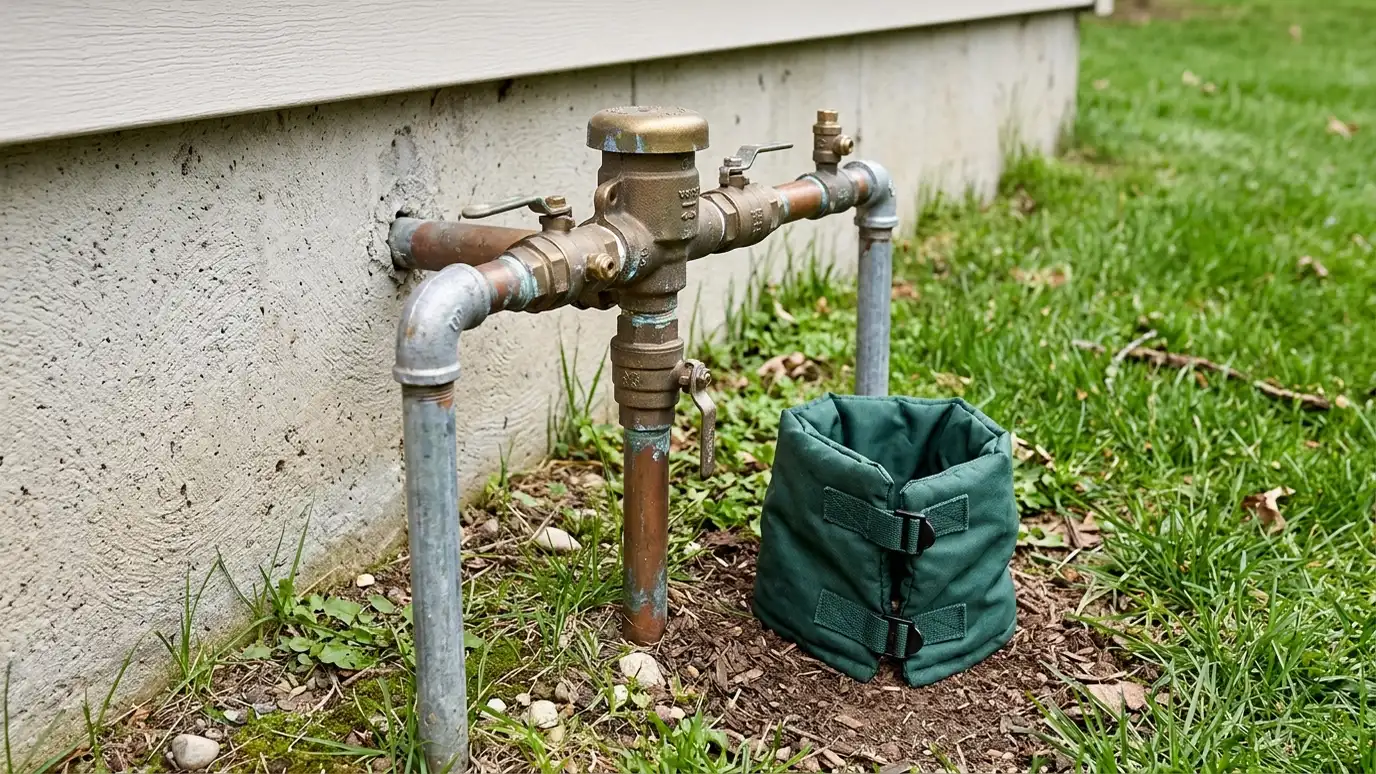
Irrigation water can pick up fertilizer, pesticides, soil and bacteria. If pressure in the public water line drops, that water could be sucked backward into the drinking supply. A backflow preventer is the device that stops it. Different devices suit different risk levels: a pressure vacuum breaker, mounted above ground and higher than the highest head; a double check assembly; and a reduced pressure zone device for higher-hazard situations.
Which device you need is set by your water provider. Most require testing on a schedule, with a certified tester and a report, because springs, seals and check parts wear out. Above-ground devices must be protected from freezing, since a cracked device can spray water and fails to protect. We install the type that is required, test and repair devices and prepare reports, and we advise on insulation and winter care.
Stops backflow.
PVB, DCA, RPZ.
Height and access.
Often yearly.
Insulate and drain.
For your provider.
Take the quiz, check a problem or ballpark a budget.
Most providers require one on irrigation systems. Check yours, and we explain what applies.
Many providers require an annual test.
Water inside can crack the device. Draining and insulating it prevents damage.
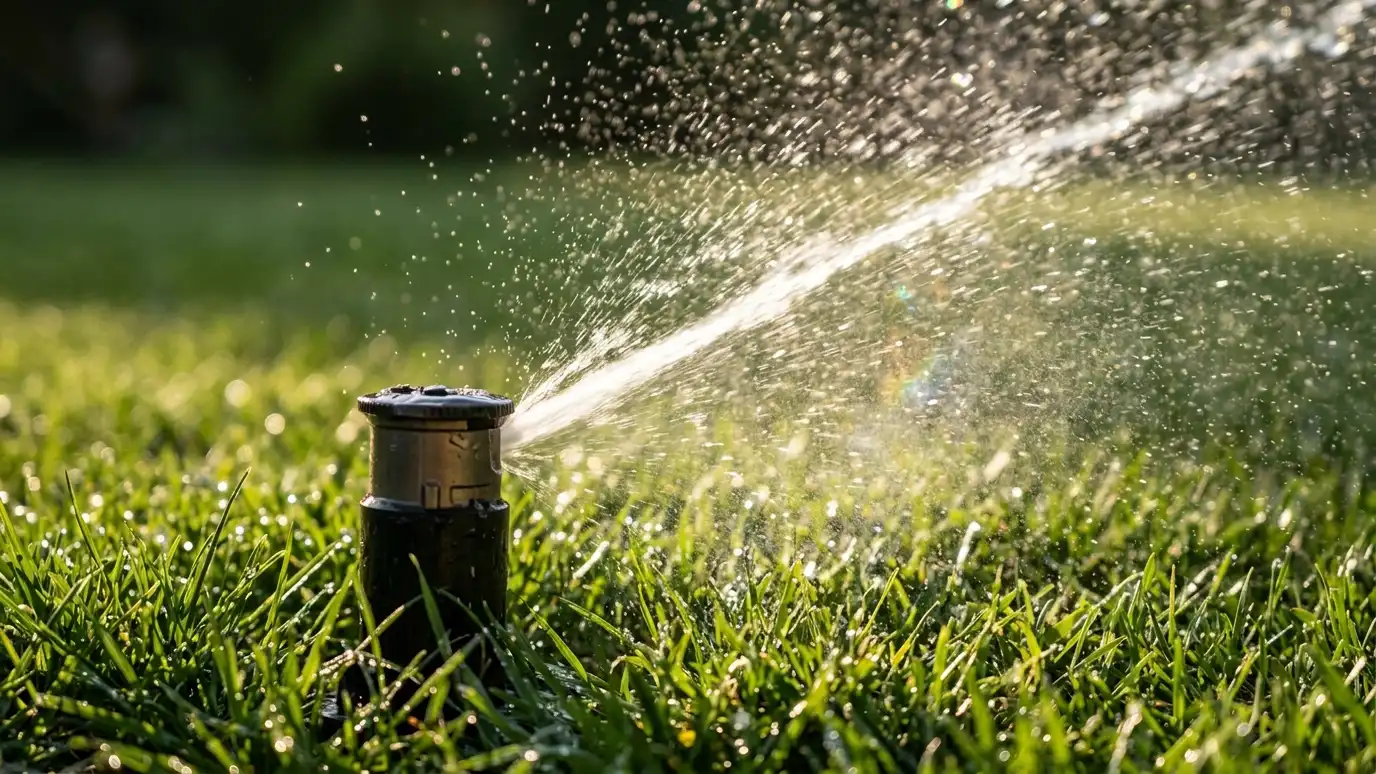 Equipment guideRotor SprinklersRotors throw water a long way in slowly turning streams. Here is where they shine, where they do…Learn more
 Equipment guideSpray Heads and NozzlesSpray heads pop up and fan water over small areas. Here is how nozzles differ and why matching…Learn more
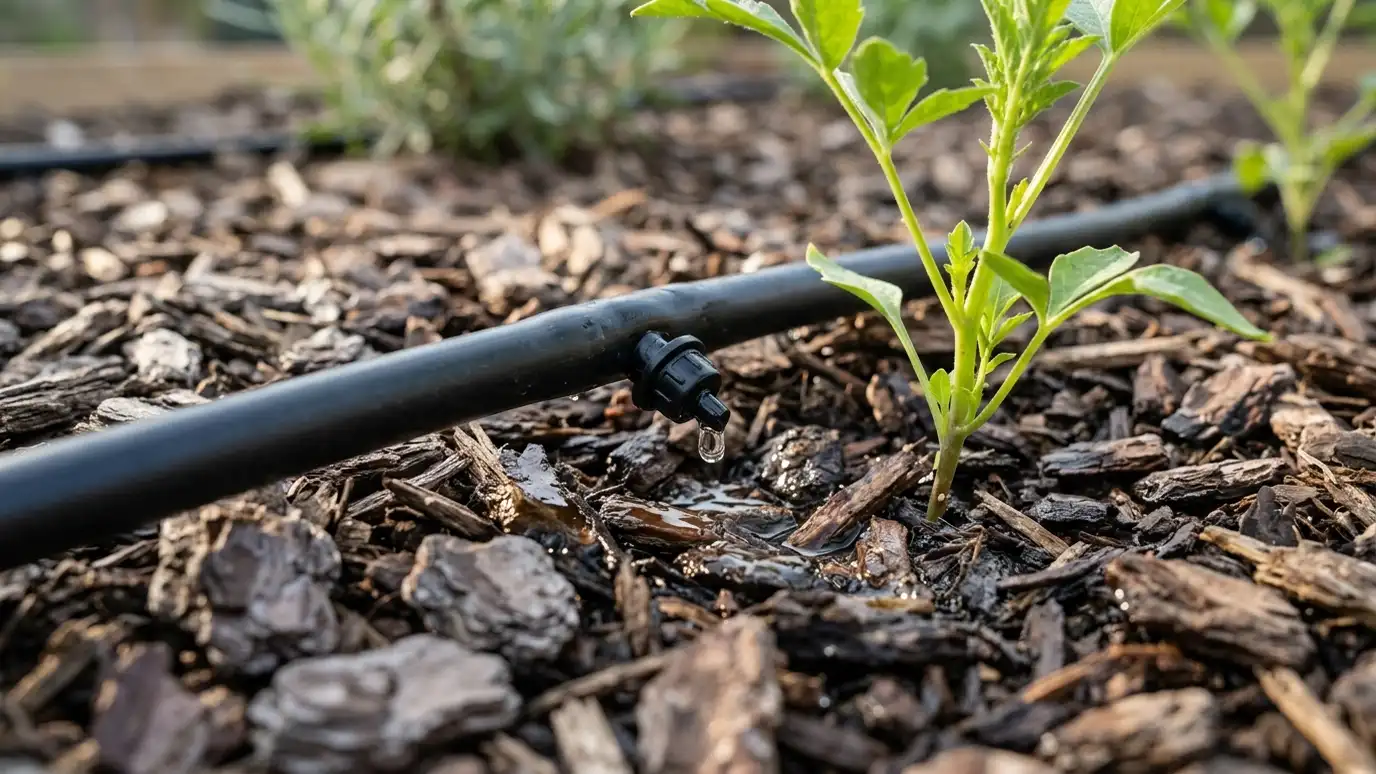 Equipment guideDrip Tubing and EmittersDrip delivers water slowly at the roots. Here is how tubing, emitters, filters and regulators fit together.Learn more
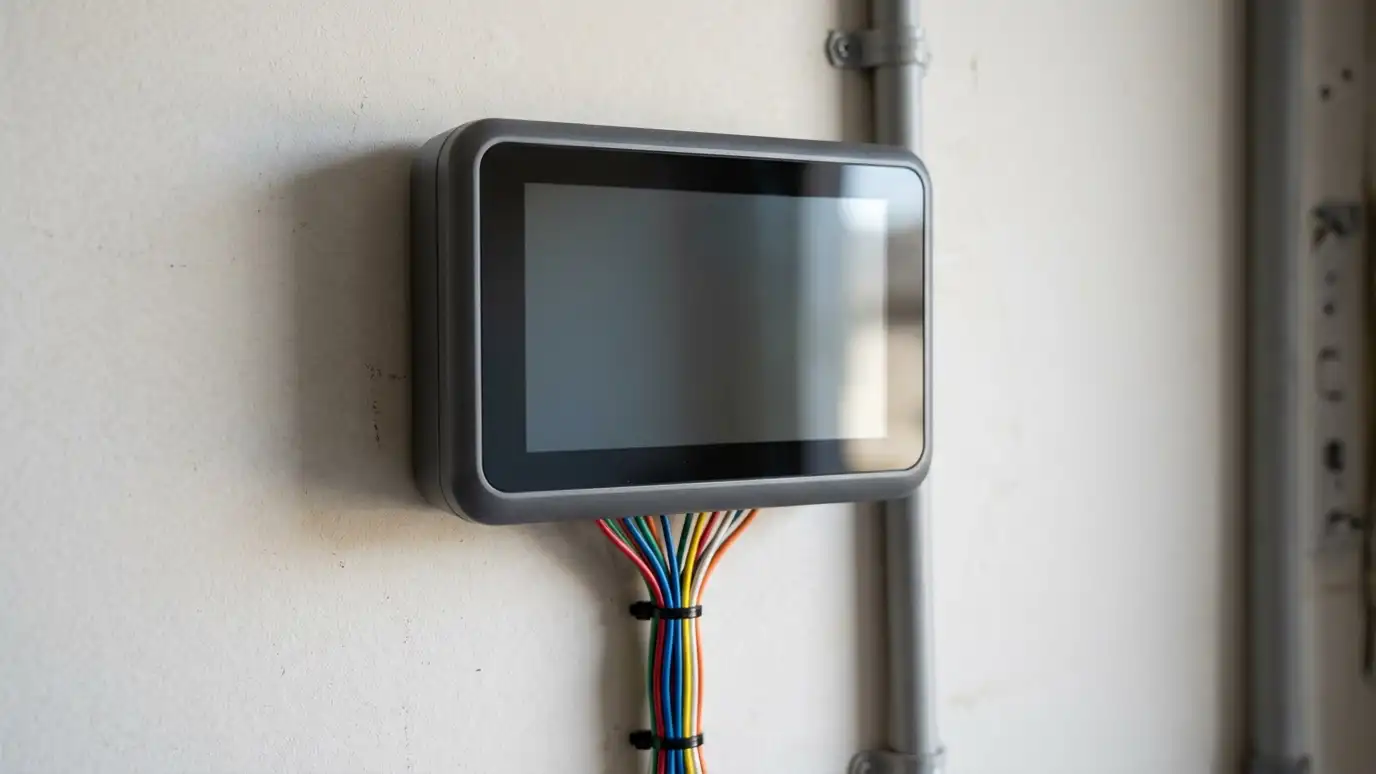 Equipment guideSmart ControllersSmart controllers adjust watering to weather and plant needs. Here is how they work and what to look…Learn more
Call us and we will walk your yard, test your water pressure and flow and give you a clear plan and a written scope for installation, repair or care.