Start by watching a cycle
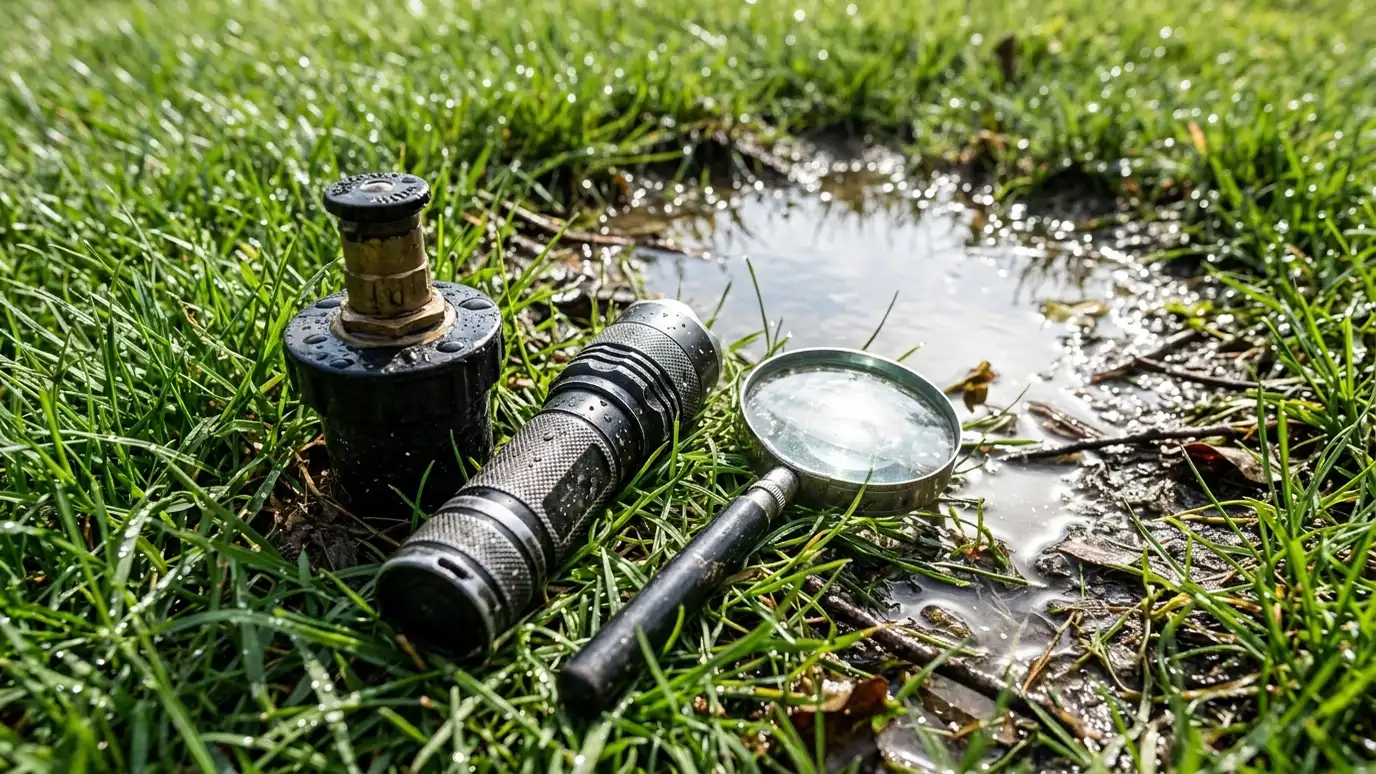
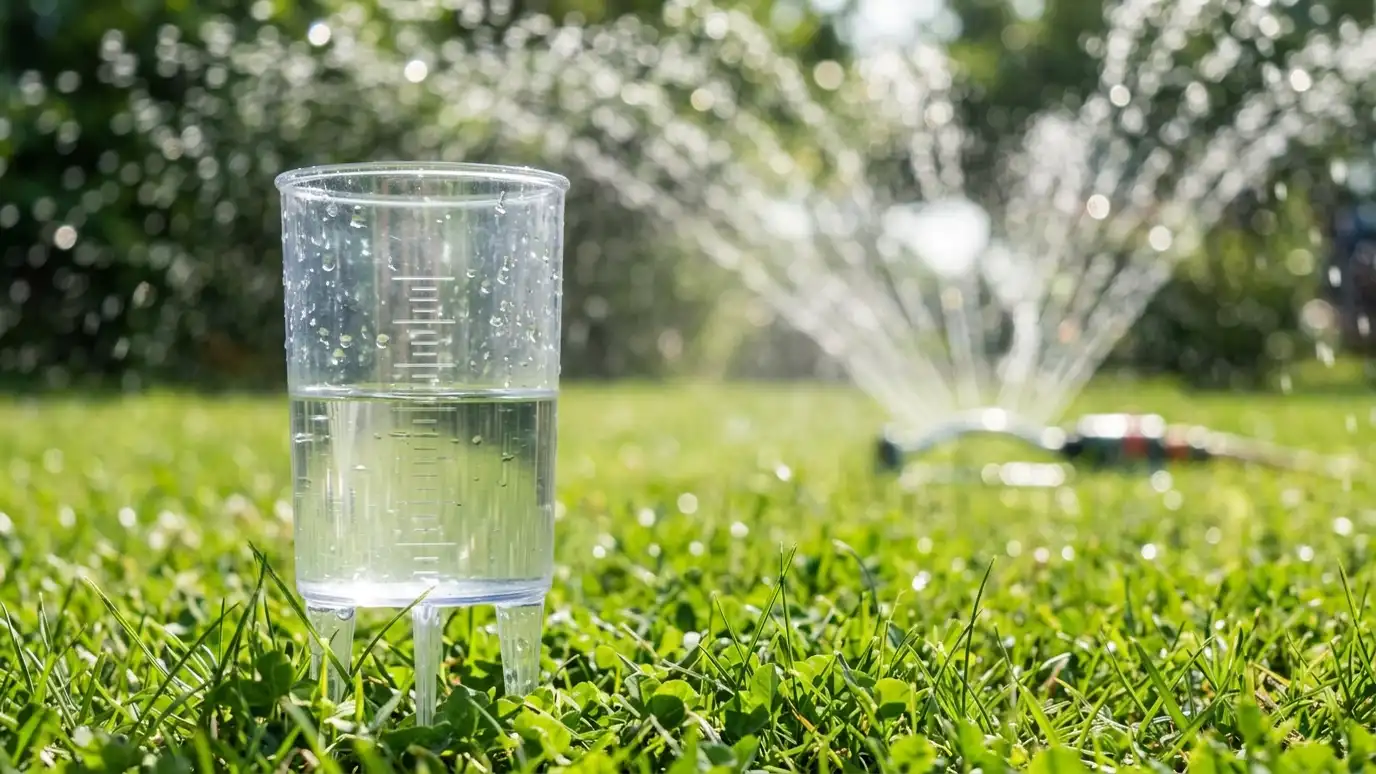
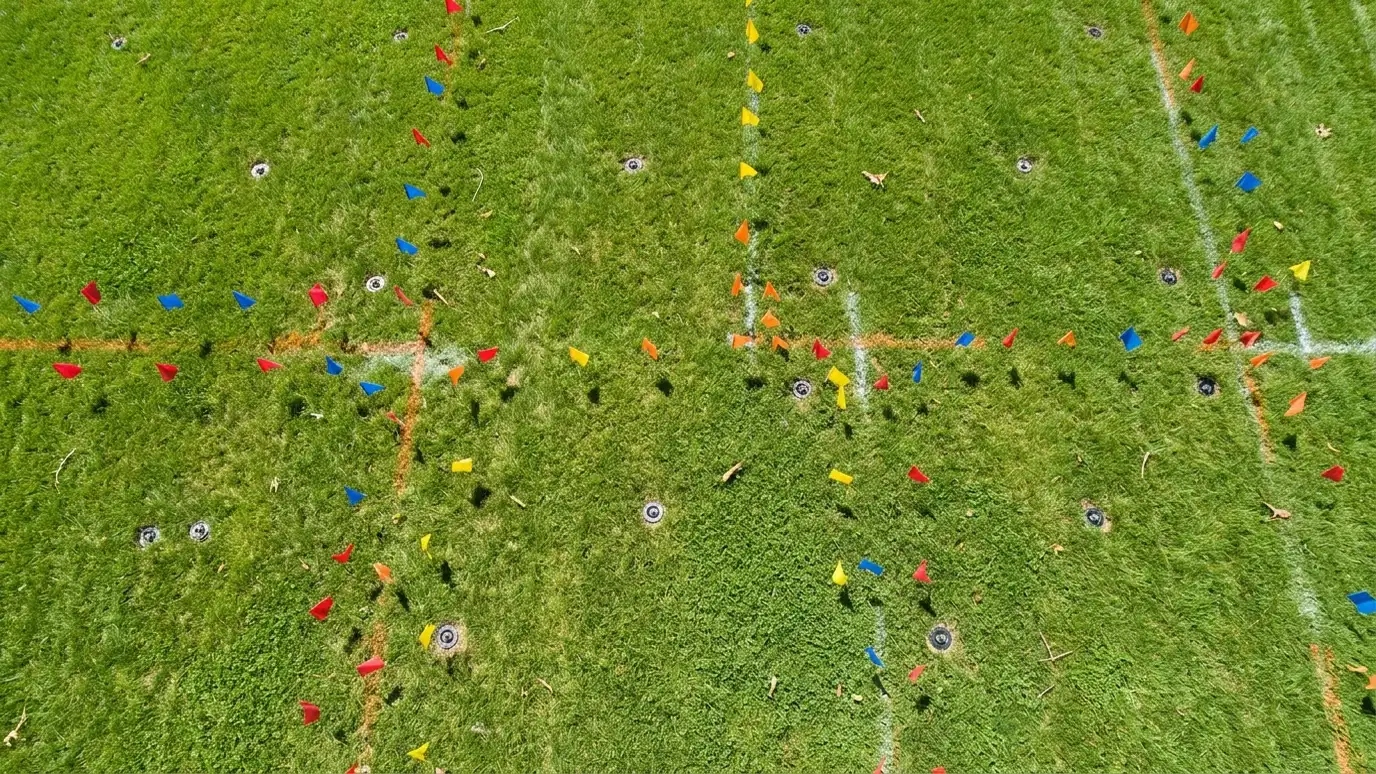
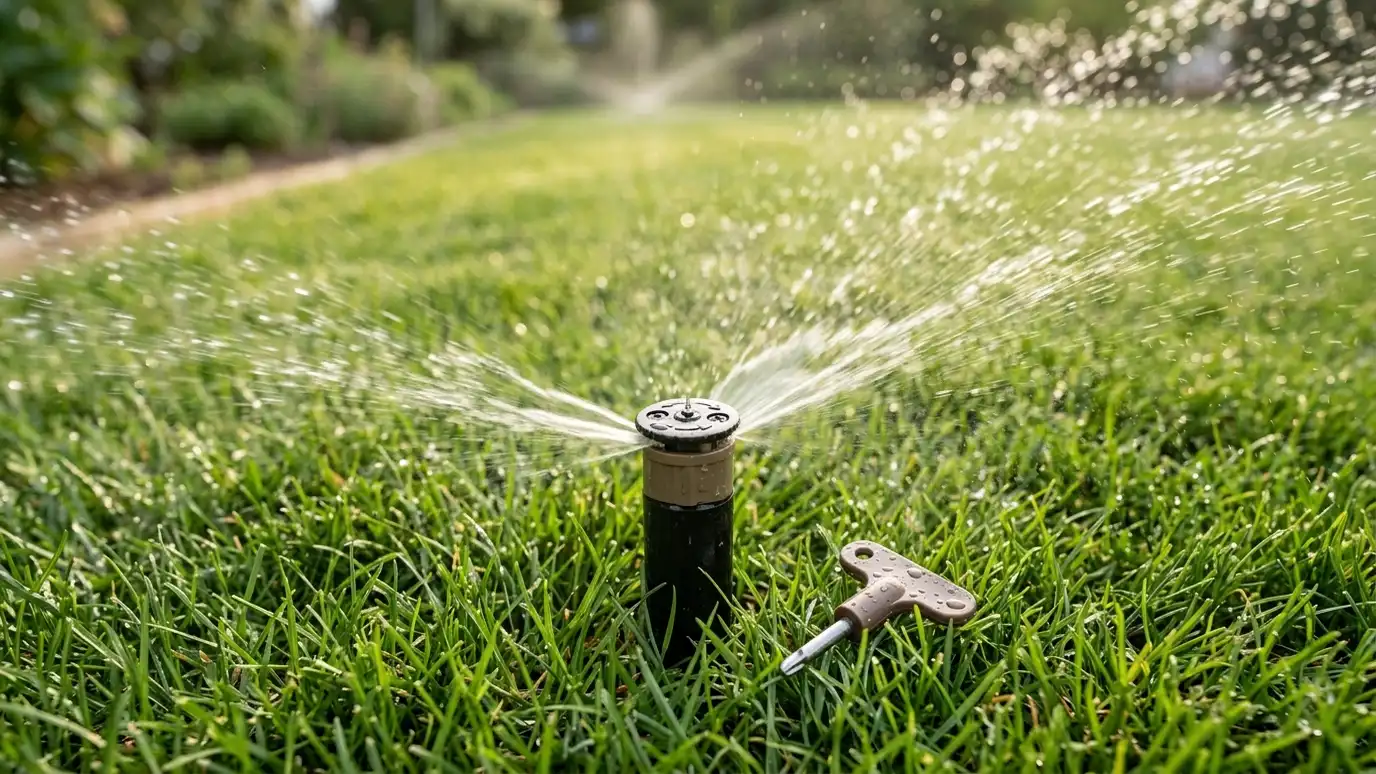
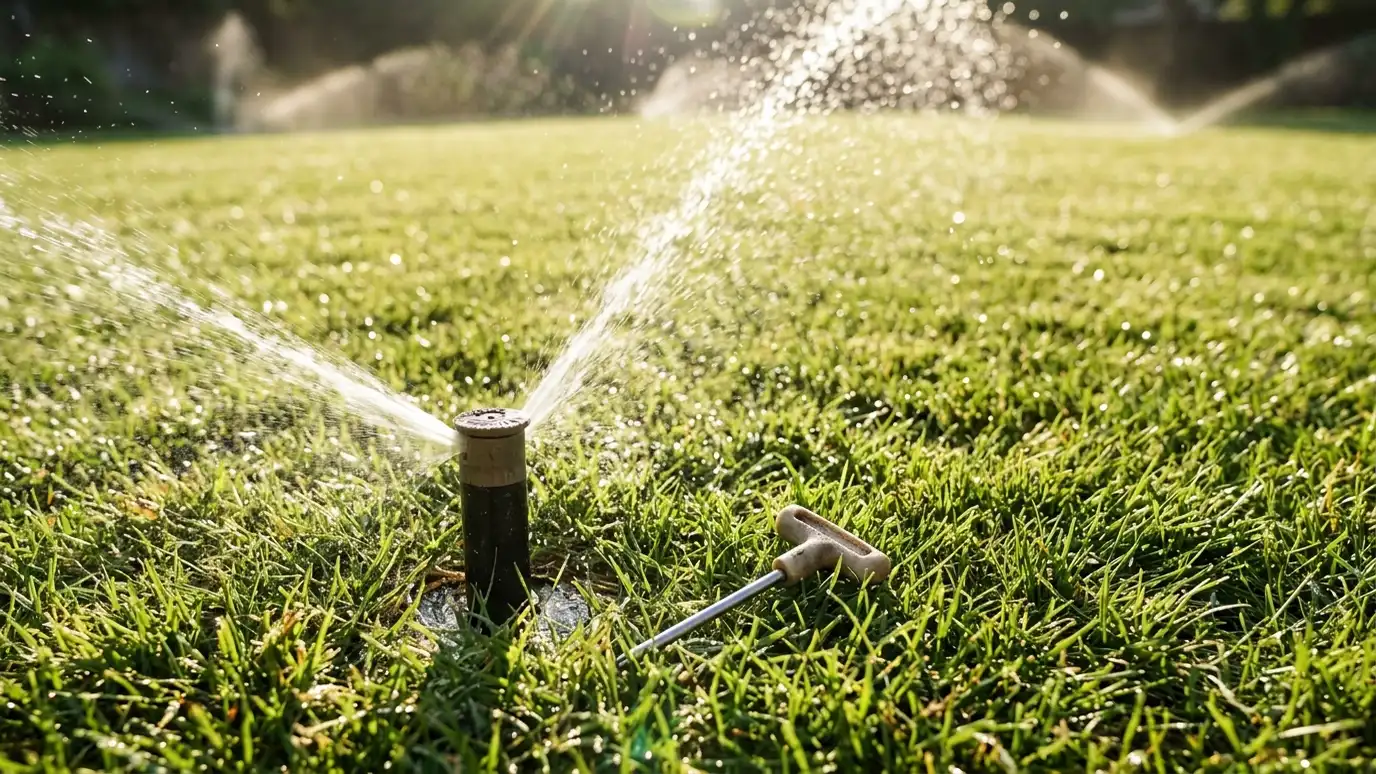
Run each zone and walk it. Look for heads that are tilted, sunken, clogged or spraying the wrong way. Note where water lands and where it does not.
A few minutes of looking is more useful than any amount of guessing.
Causes of dry spots
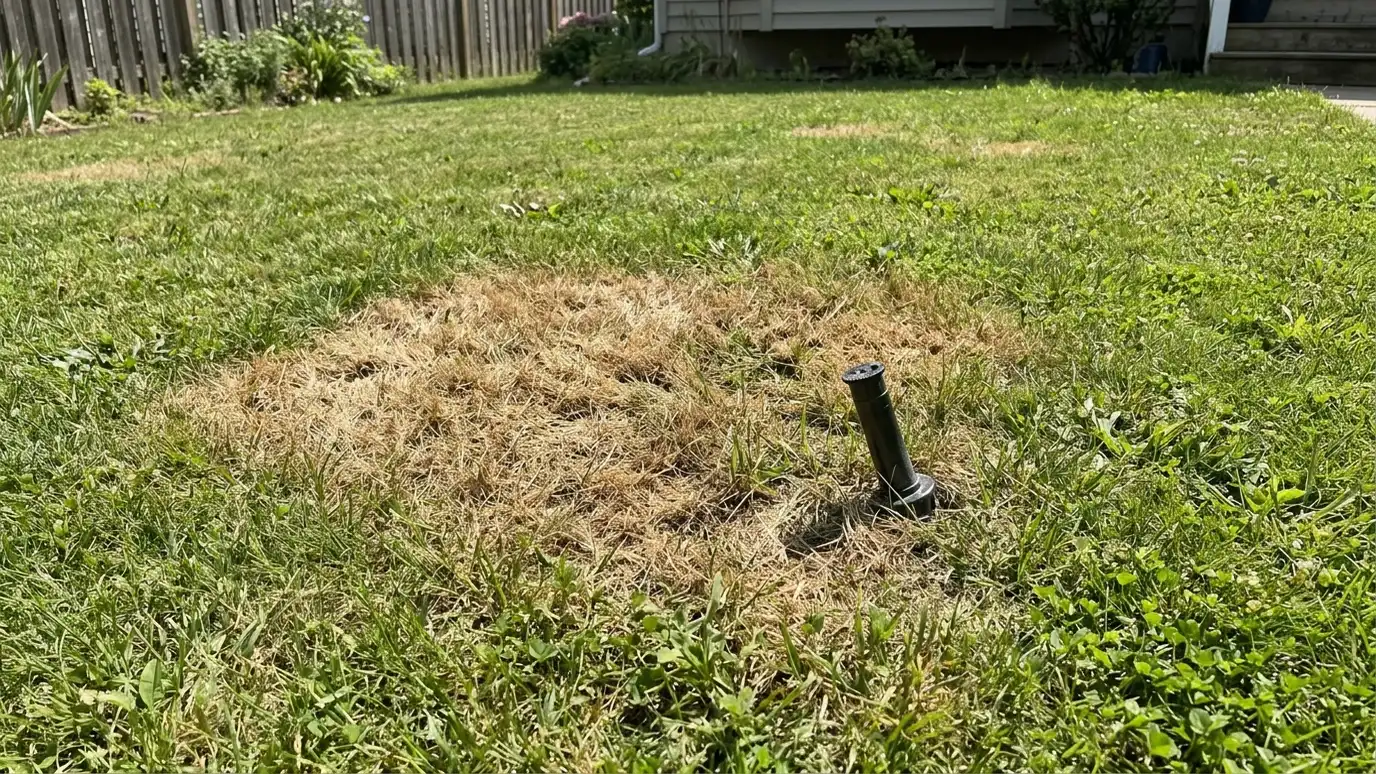
Dry spots usually come from missing coverage: a head that is out of line, a clogged nozzle, low pressure, poor spacing or mixed nozzles. Heat from pavement and compacted soil can also cause brown patches that more water will not fix.
Running the system longer rarely helps and wets the rest of the lawn too much.
Causes of wet spots
Soggy areas may come from a leak, a stuck valve, low-head drainage or too much water for the soil. Slopes and clay make runoff and pooling worse.
Look for a spot that stays wet when the system is off.
Causes of overspray
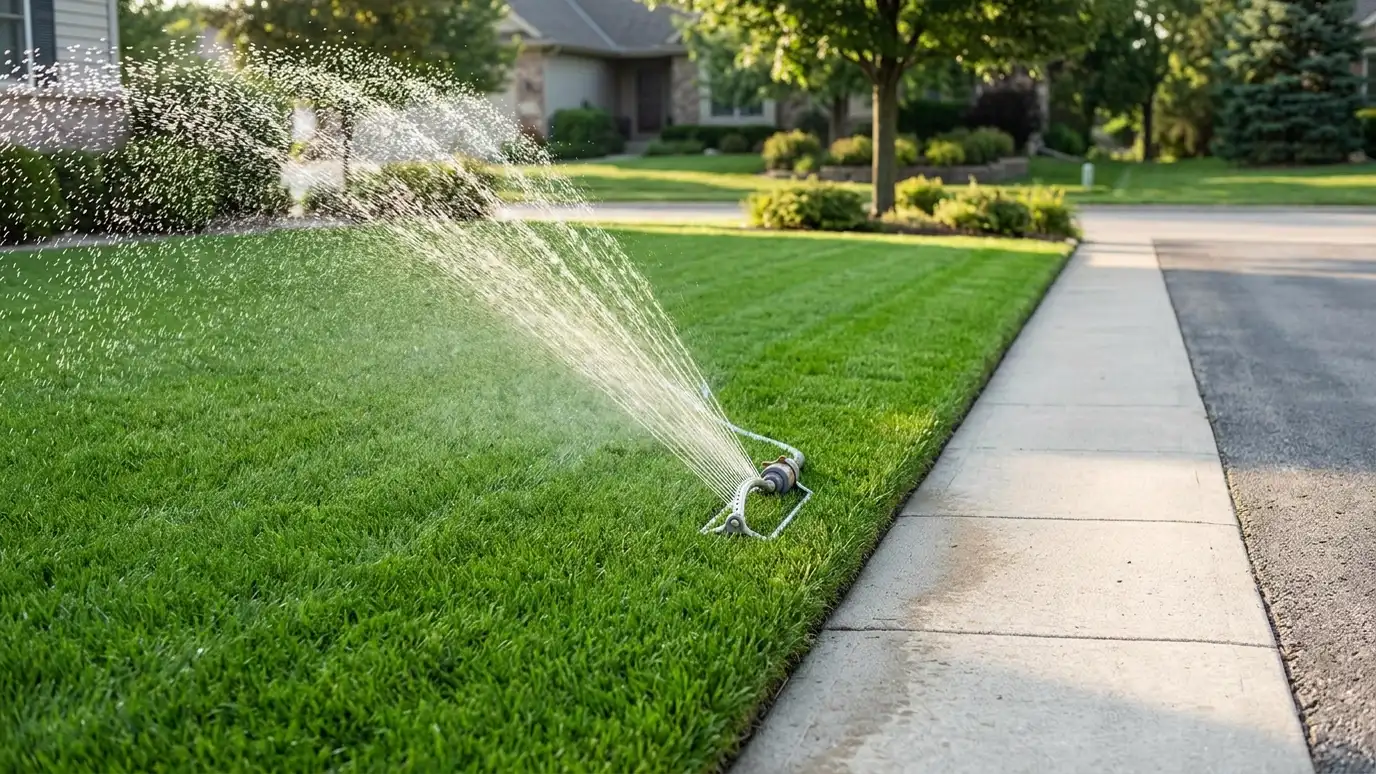
Overspray comes from arcs set too wide, radius set too long, heads too close to pavement or high pressure that turns spray to mist that drifts. It wastes water and can stain walls and cars.
Narrow-strip nozzles and pressure regulation solve many cases.
Simple fixes
Straighten and reset heads, clean nozzles, adjust arcs and radius and match nozzle types. Add cycle and soak on slopes and clay. Trim grass around heads.
If a zone needs more than adjustment, such as a moved or added head, plan that as a small repair.
When to call for help
Call if you find a leak, a zone will not run, pressure is low or several fixes have not worked. A technician can test pressure, valves and wiring and find causes you cannot see.
A tune-up often corrects several problems in one visit.
Watch each zone run, fix the cause rather than adding more water and ask for help if the cause is hidden.