Drip and micro-spray watering for flower beds, shrubs, trees and gardens, delivered slowly at the roots where plants can use every drop.
Beds are not lawns, and they should not share a sprinkler zone with one. Lawns need a lot of water, delivered quickly across a wide area. Shrubs, perennials and trees need slow, deep moisture at the roots, with dry foliage to prevent leaf diseases. A spray head over a bed wastes water on leaves and mulch, and it soaks the soil unevenly, so some plants drown while others thirst.
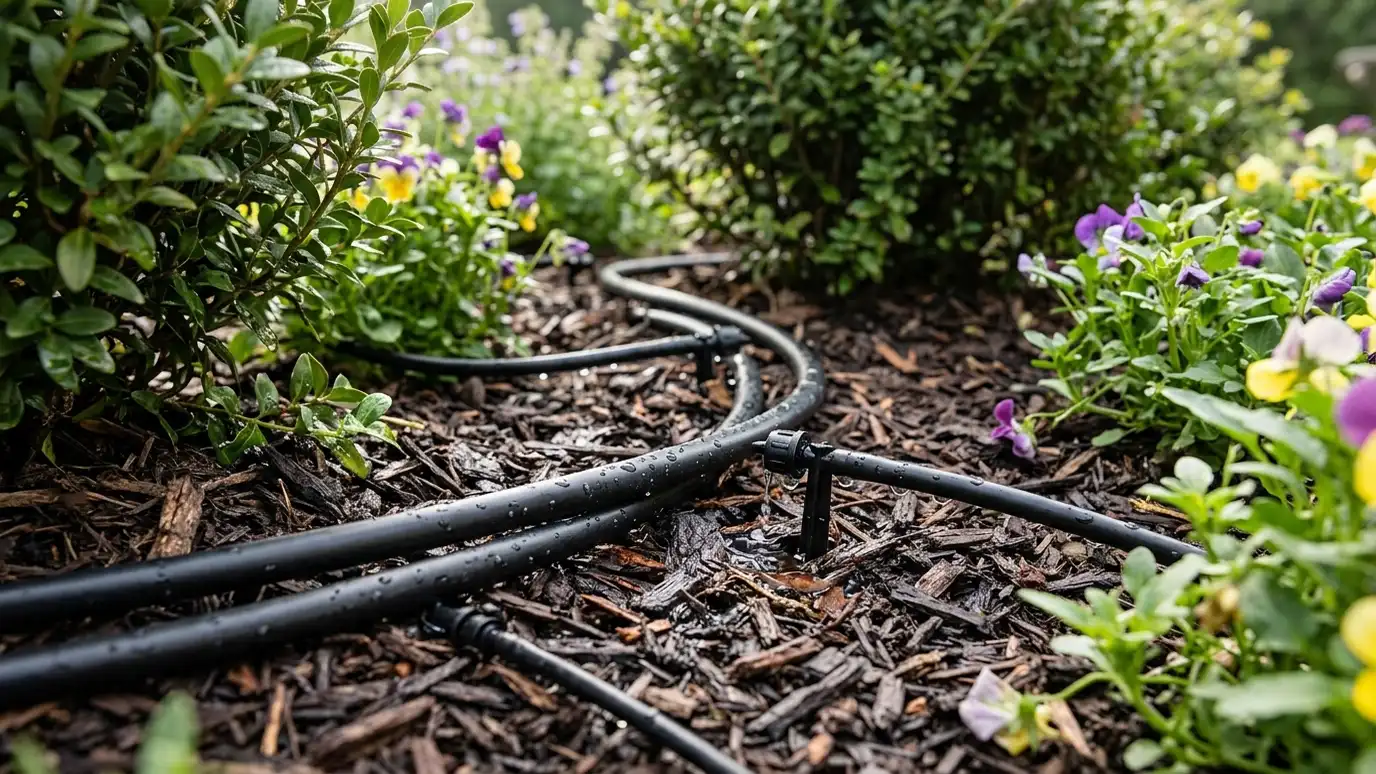
We water beds with drip tubing and emitters or with micro-sprays, on their own zones with filters and pressure regulators. Emitters are placed by plant: more for large shrubs and trees, fewer for small perennials. The tubing is hidden under mulch and can be extended as the garden grows. Because drip delivers water slowly at the root zone, plants grow deeper roots, weeds have less to feed on and your water bill drops.
Slow drip puts moisture where plants use it and keeps leaves dry, which helps prevent disease.
Large shrubs and trees get more emitters than small perennials, matched to each plant.
Drip needs clean water at low pressure, so each zone has the right filter and pressure regulator.
Tubing sits under mulch and can be extended as you add plants.
Drag the handle to compare.
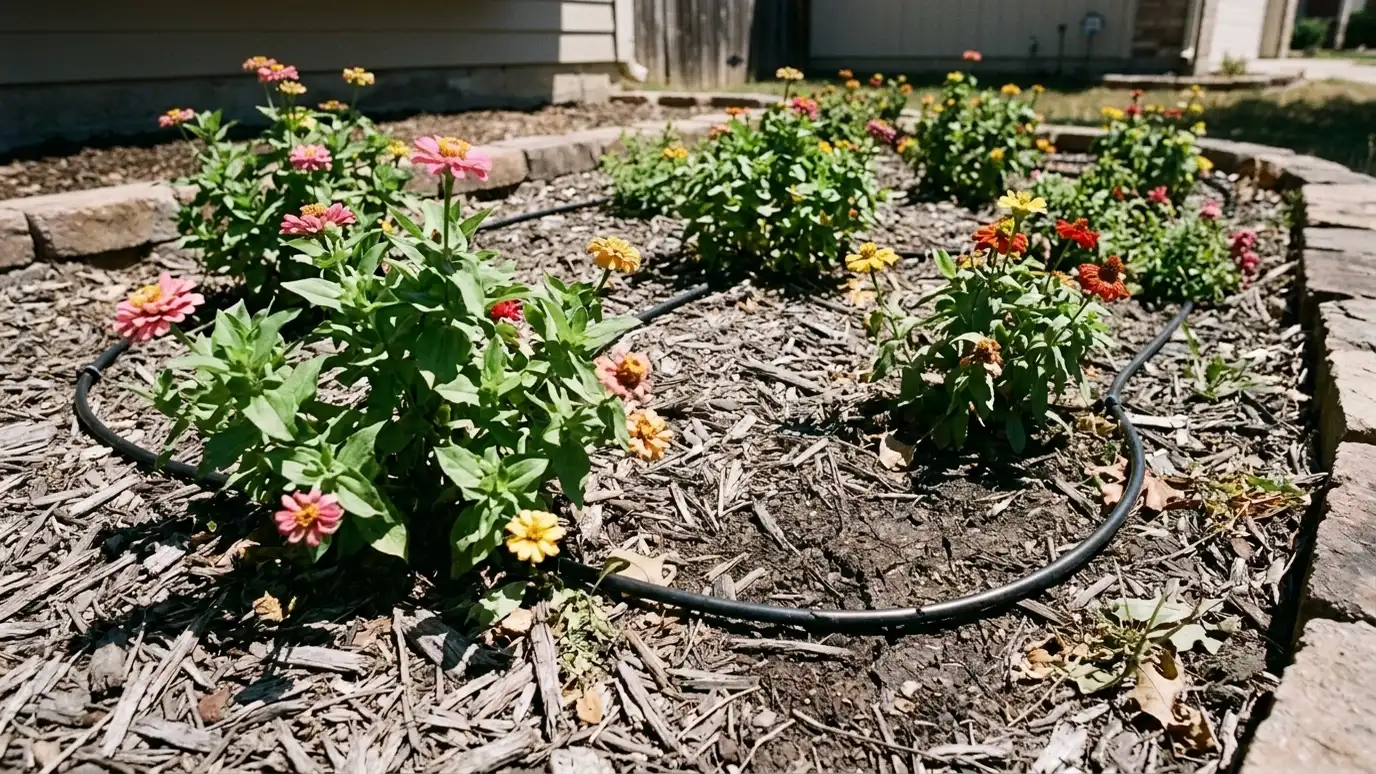
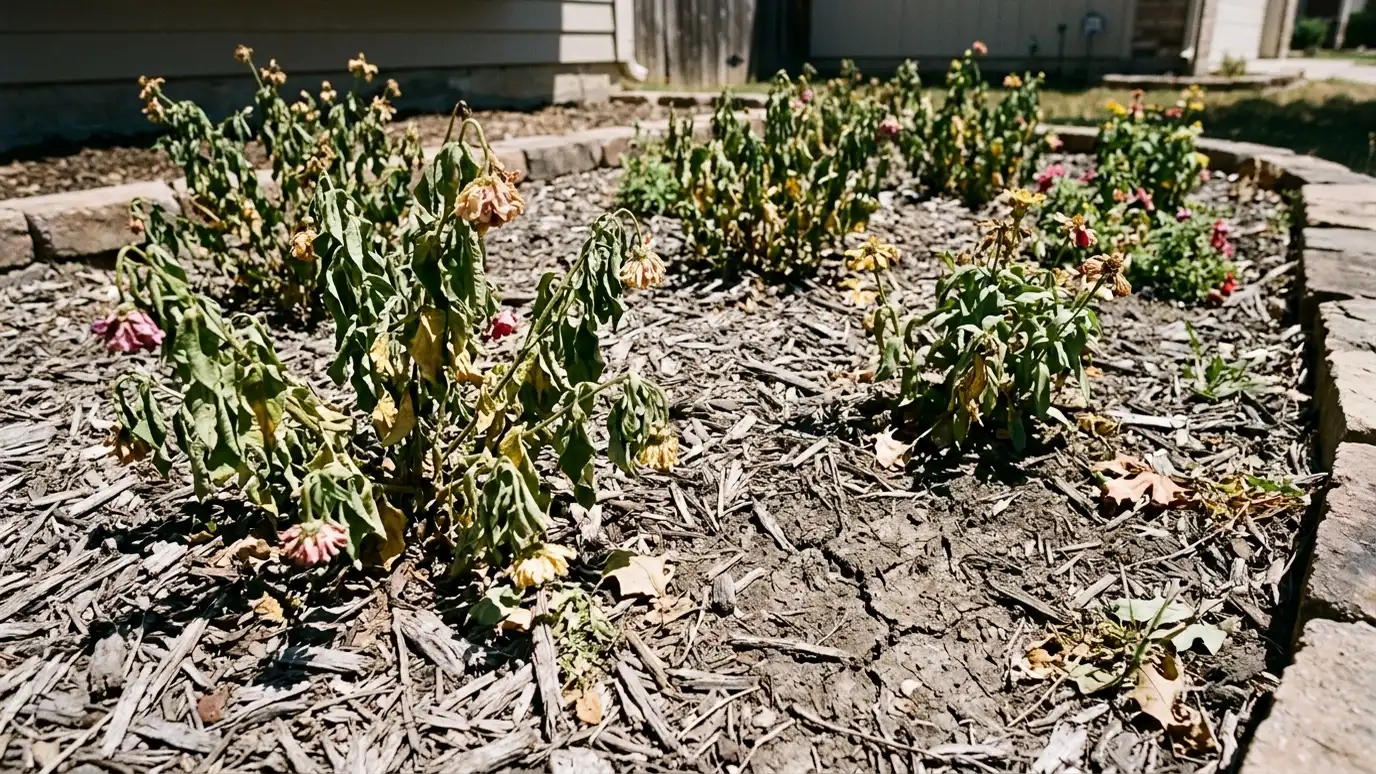 BeforeAfter
Slow and deep.
Dry foliage.
No spray waste.
Filter included.
Separate from lawn.
Grows with you.
Every topic has its own page with what to expect and how we approach it.
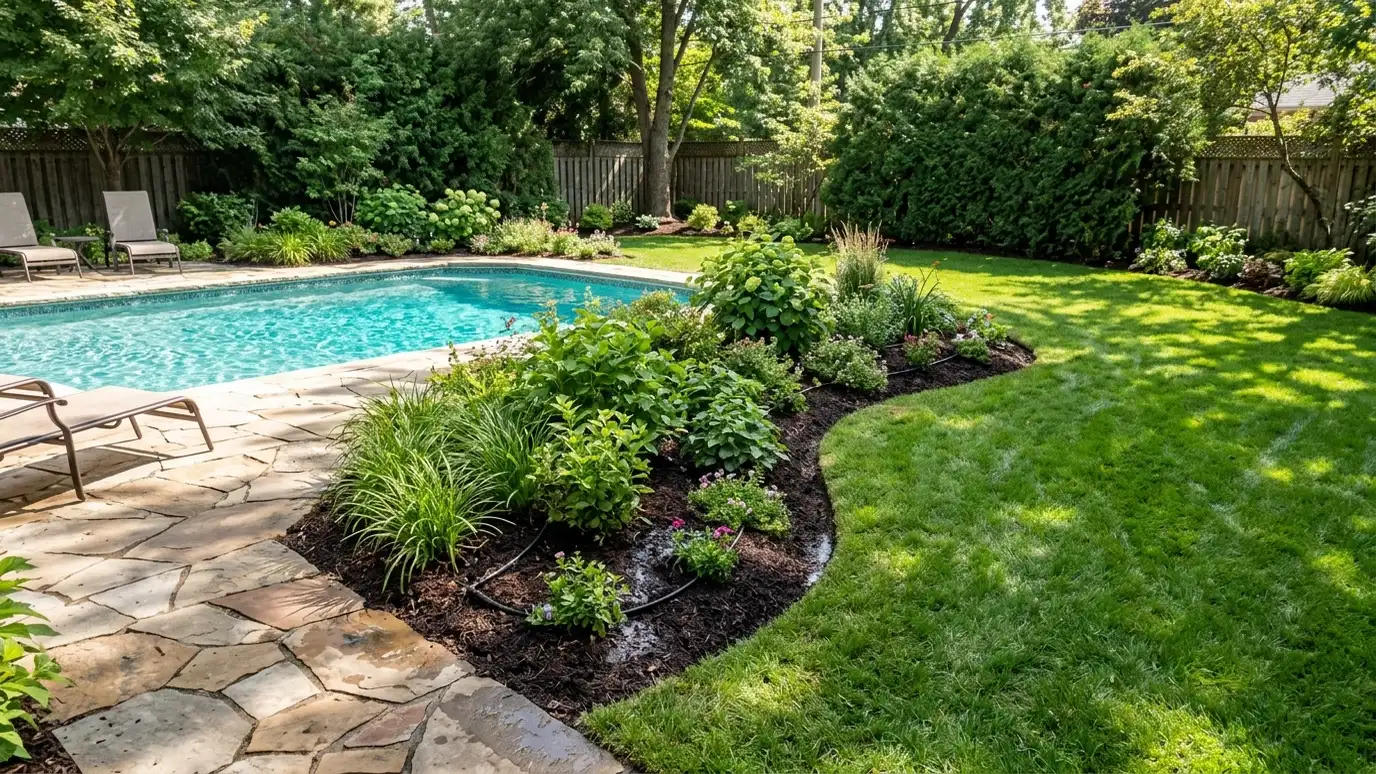 Home situationPool and Patio LandscapesPools, patios and outdoor kitchens need irrigation that keeps beds green and spray off surfaces. Here is how…Learn more
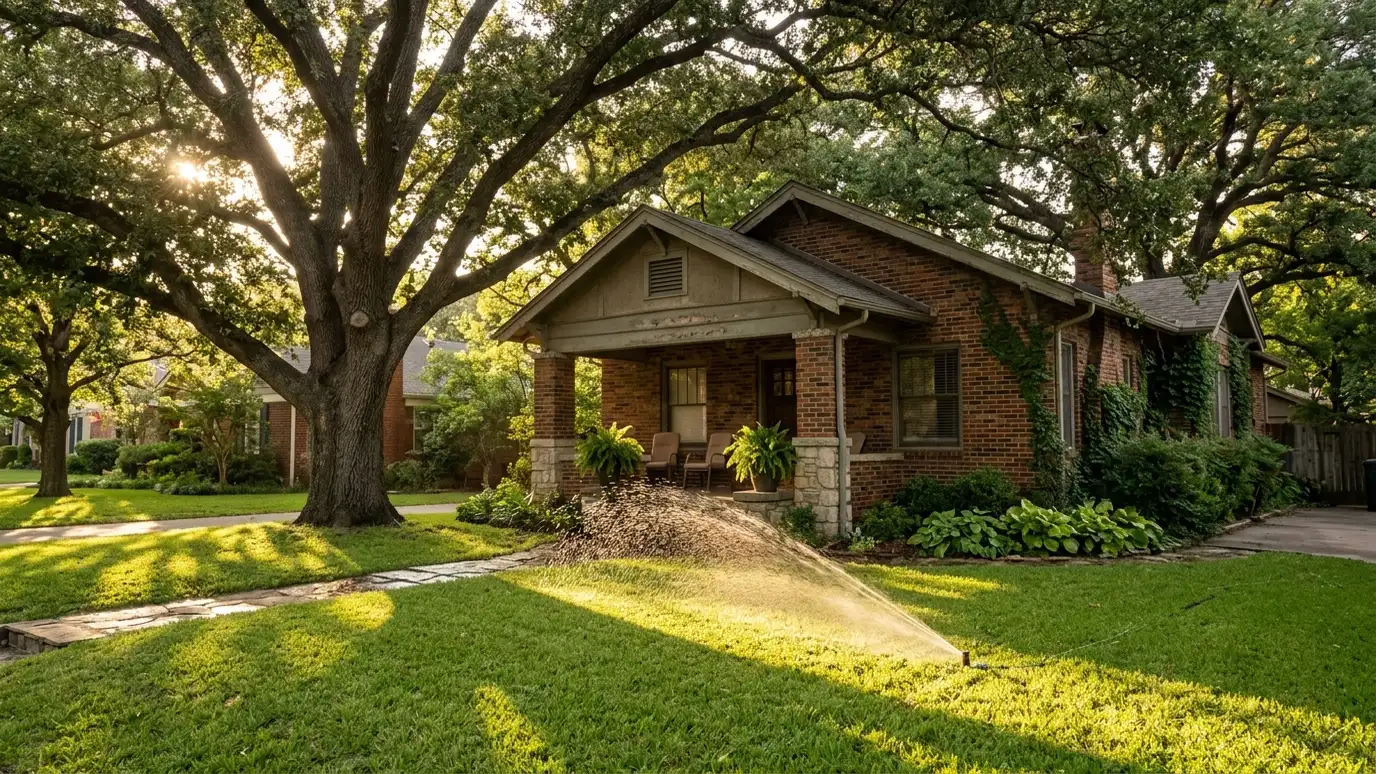 Home situationOlder Homes and Existing LawnsMature lawns, old systems and tree roots call for careful work. Here is how to add or renew…Learn more
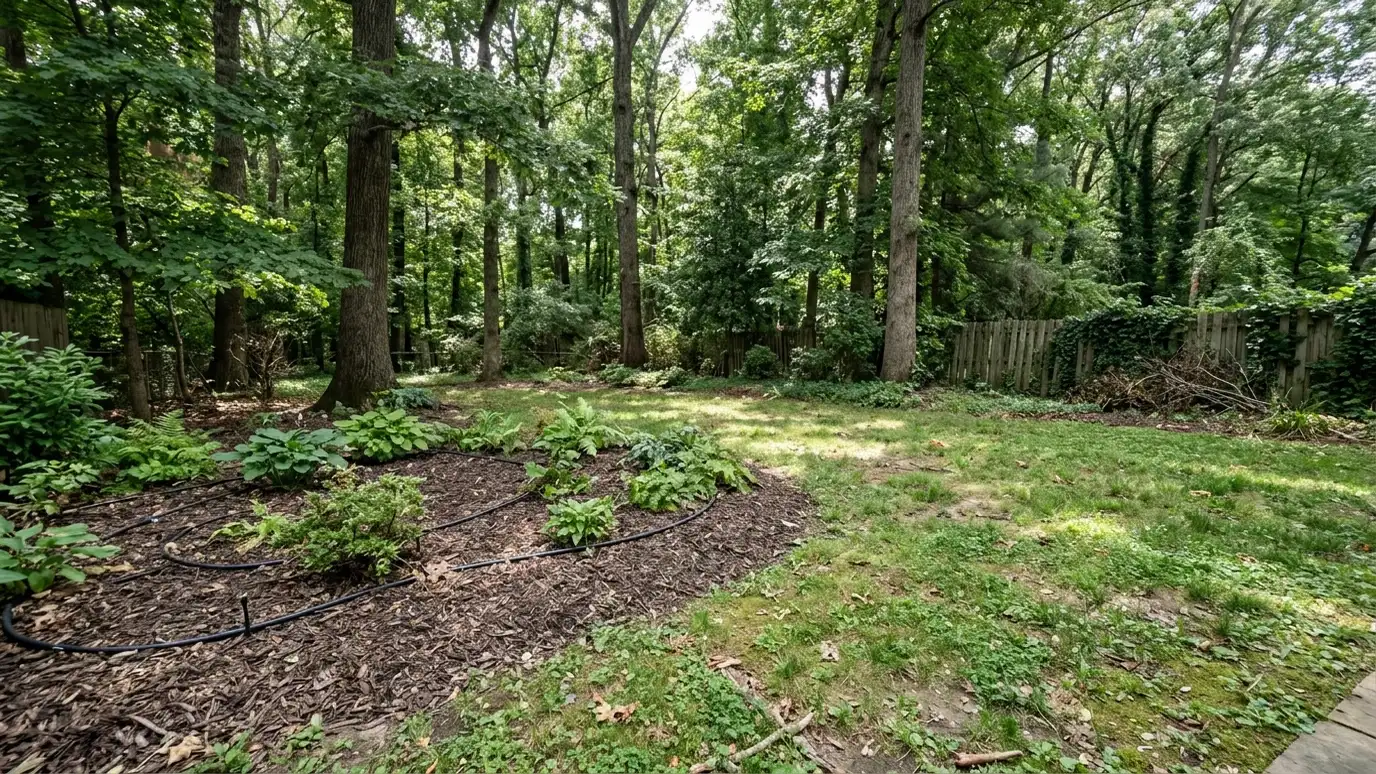 Home situationShaded and Wooded LotsTrees change how much water a yard needs and where it should go. Here is how to irrigate…Learn more
Enter bed size, plant type and spacing to see tubing, emitters and run time for a drip system.
You tell us about your yard and what you want, a new system, a repair or a tune-up, and we set a visit that fits your day.
We walk the property, find the water source and valves, test pressure and flow, look at every head and zone and take photos of anything of note.
We explain your options for zones, heads, drip, controllers and savings, sketch the layout and give you a written scope with clear timing and pricing.
We arrange for underground utilities to be located, protect the lawn, driveways and beds and mark every head, valve and pipe run before we dig.
We install or repair pipe, valves, heads and wiring with the right parts for each zone, flush the lines and keep the site tidy as we work.
We program the controller, test every zone with you, walk through watering and winterizing in plain steps and set a reminder for your next check.
Sprays waste water on leaves and mulch and water unevenly. Drip delivers water slowly at the roots of each plant.
Often less frequently but longer than sprays. The right schedule depends on plants, soil and season.
Yes. Trees usually need several emitters or a ring of tubing, set out from the trunk in the drip line.
It is usually covered with mulch. Some connections and emitters stay visible for maintenance.
Yes. Emitters and tubing can be added, as long as the zone has enough flow for the extra plants.
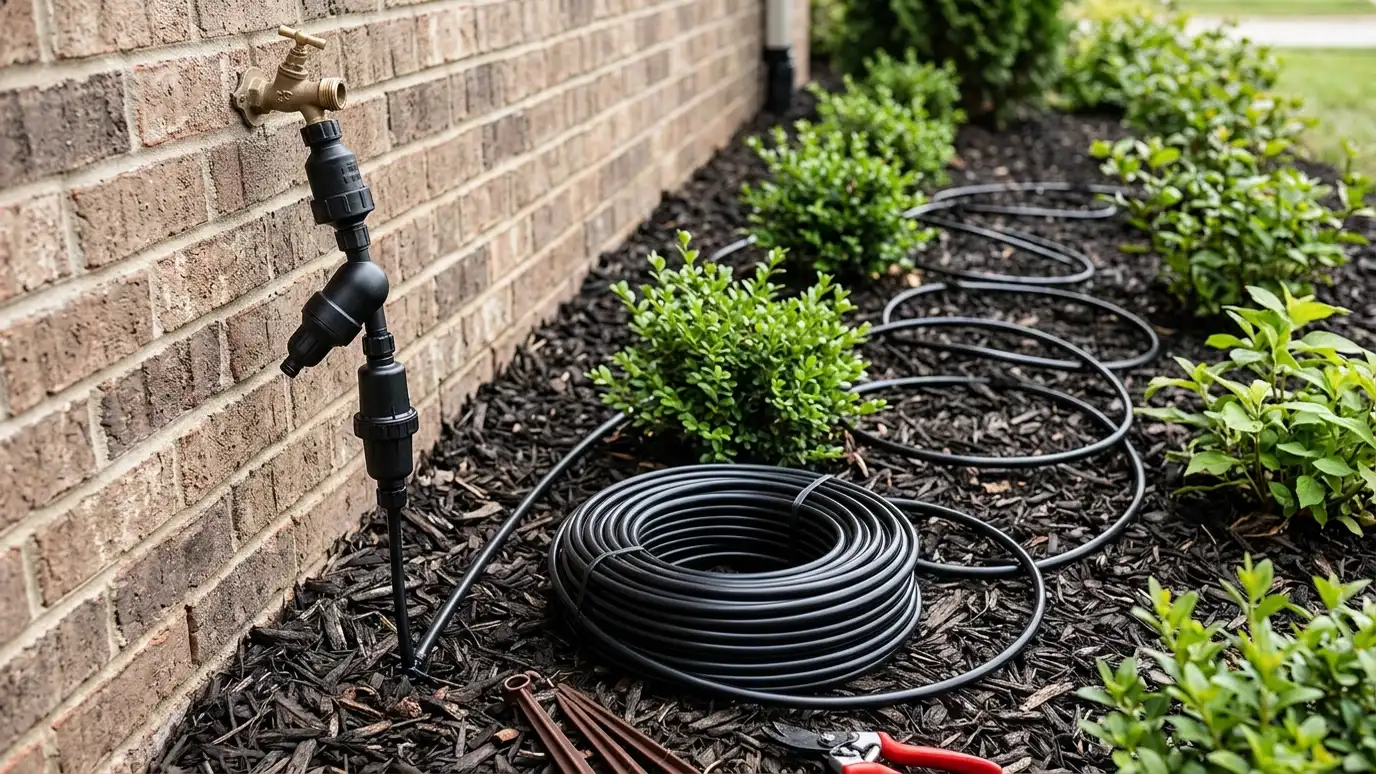 Drip InstallationDrip systems for beds, shrubs, trees, gardens and containers, designed with filters and regulators so every plant gets…Explore
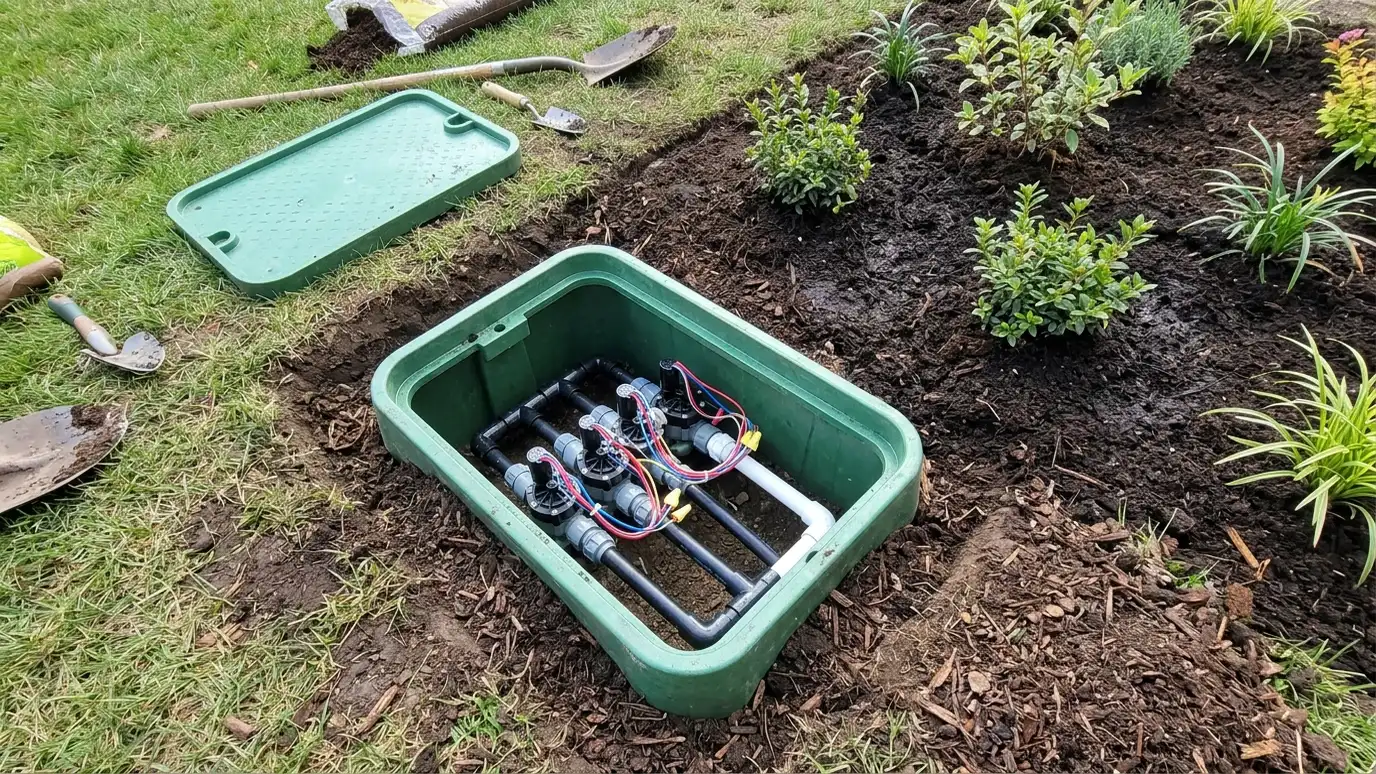 Zone AdditionsNew zones added to your existing system for a new bed, a new lawn area, an addition or…Explore
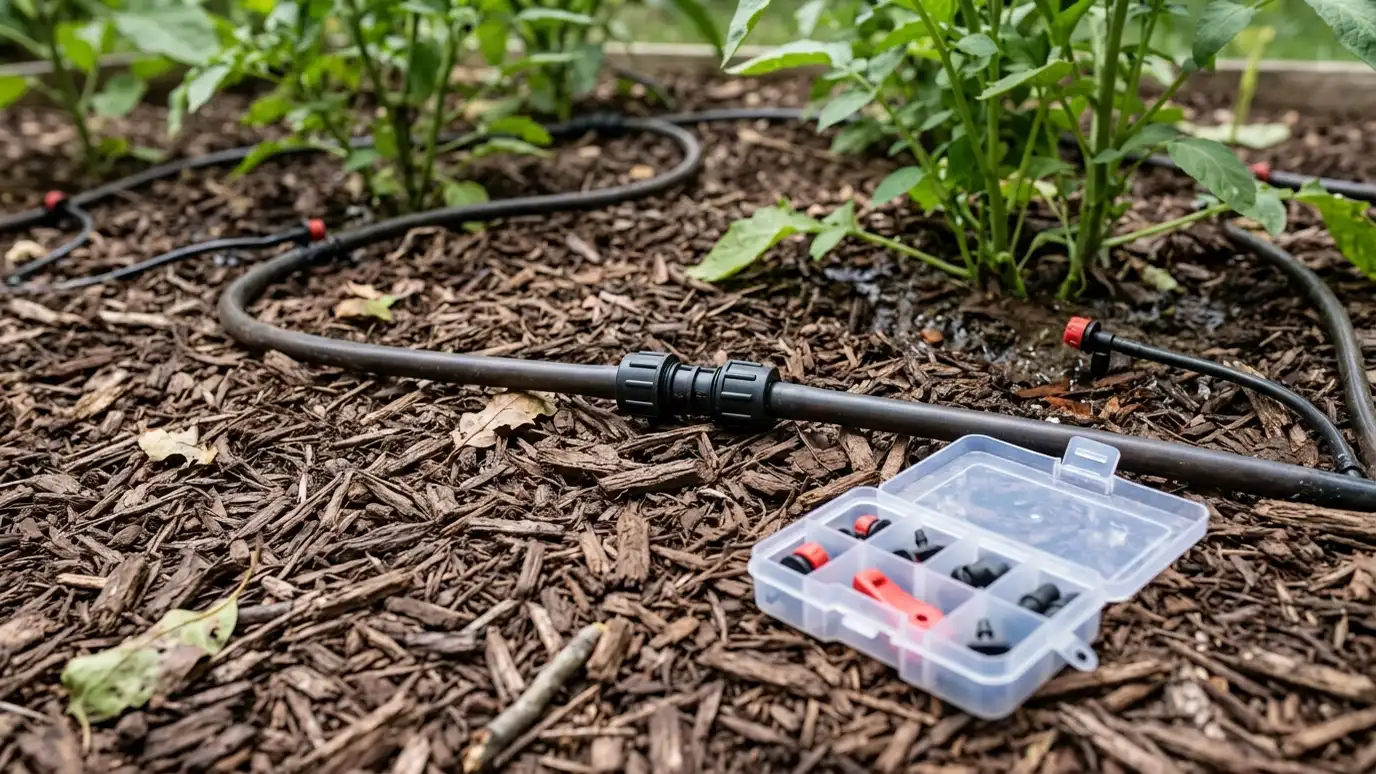 Drip RepairClogged emitters, chewed tubing, popped fittings and dry plants fixed, with filters and flow checked so the drip…Explore
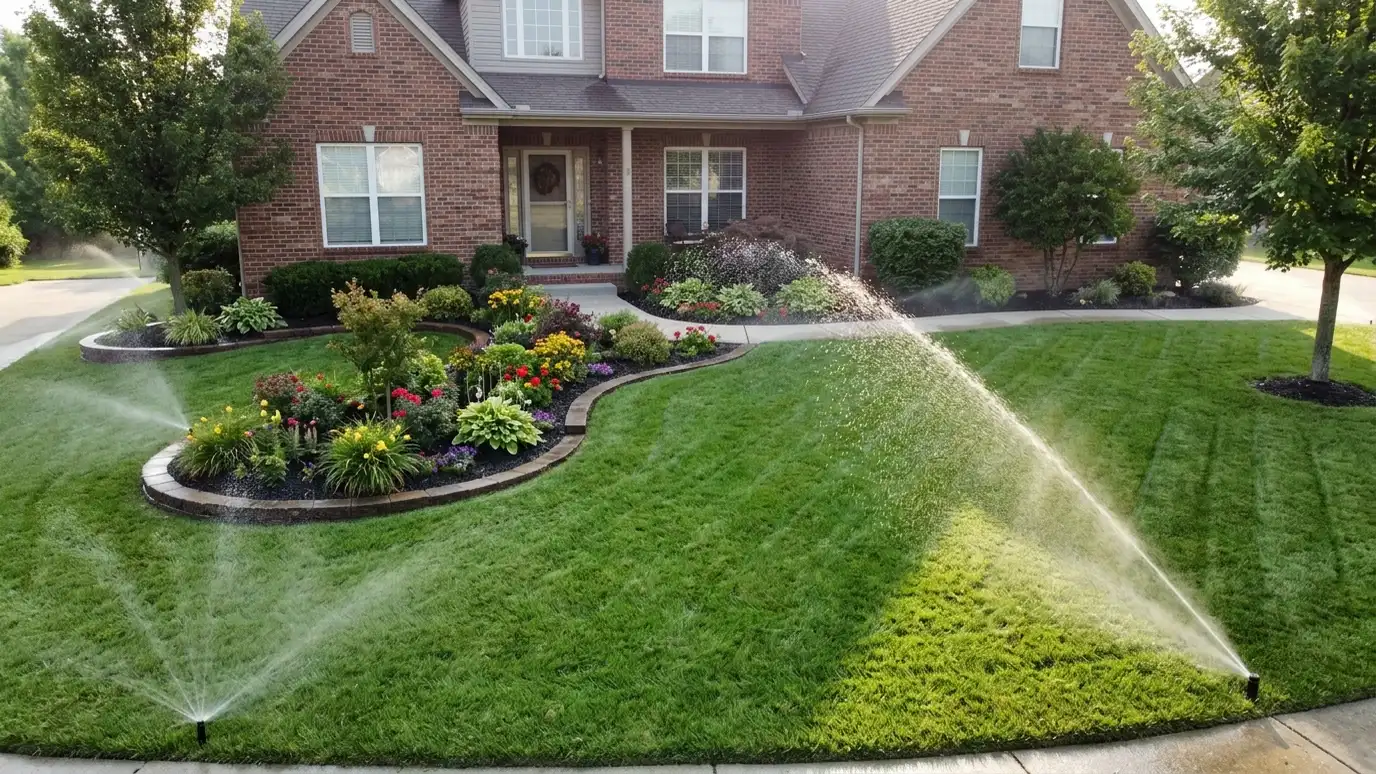 Residential SprinklersHome sprinkler systems tailored to your front and back yards, with even coverage, clean lines and a plan…Explore
Tell us about the project and we will call you back to talk it through.
Or call (615) 357-7797 to talk now.