Why winterize in Tennessee
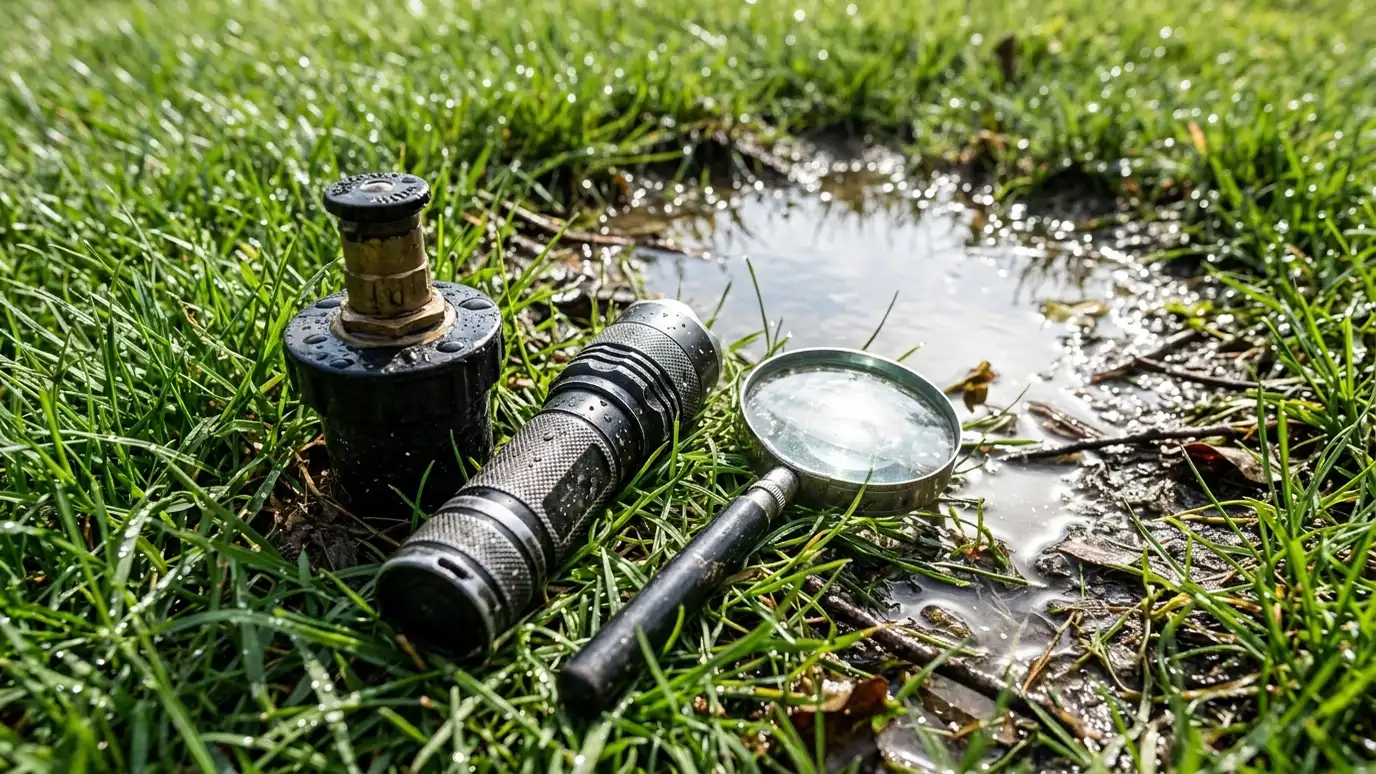
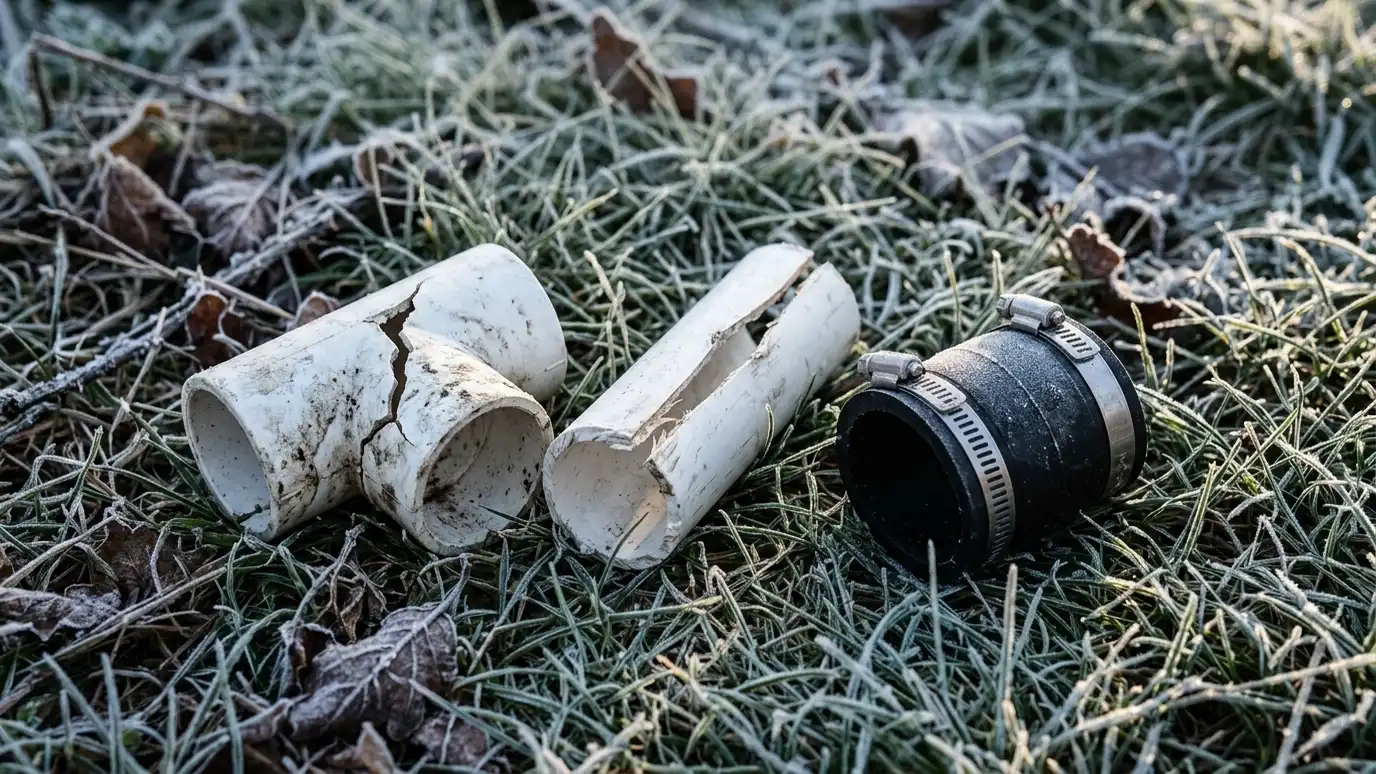
Winters here are mild compared with the north, but hard freezes happen most years, and they are enough to split pipes, crack fittings and damage valves and backflow devices that hold water. Damage often stays hidden until spring.
Winterization removes the water so there is nothing to freeze.
When to do it
Schedule before the first hard freeze, often late October or early November. Booking early gives you a choice of dates. If a hard freeze is forecast before your visit, call us and we will prioritize.
A good rule is to winterize once the lawn stops needing water for the season.
What a blowout does
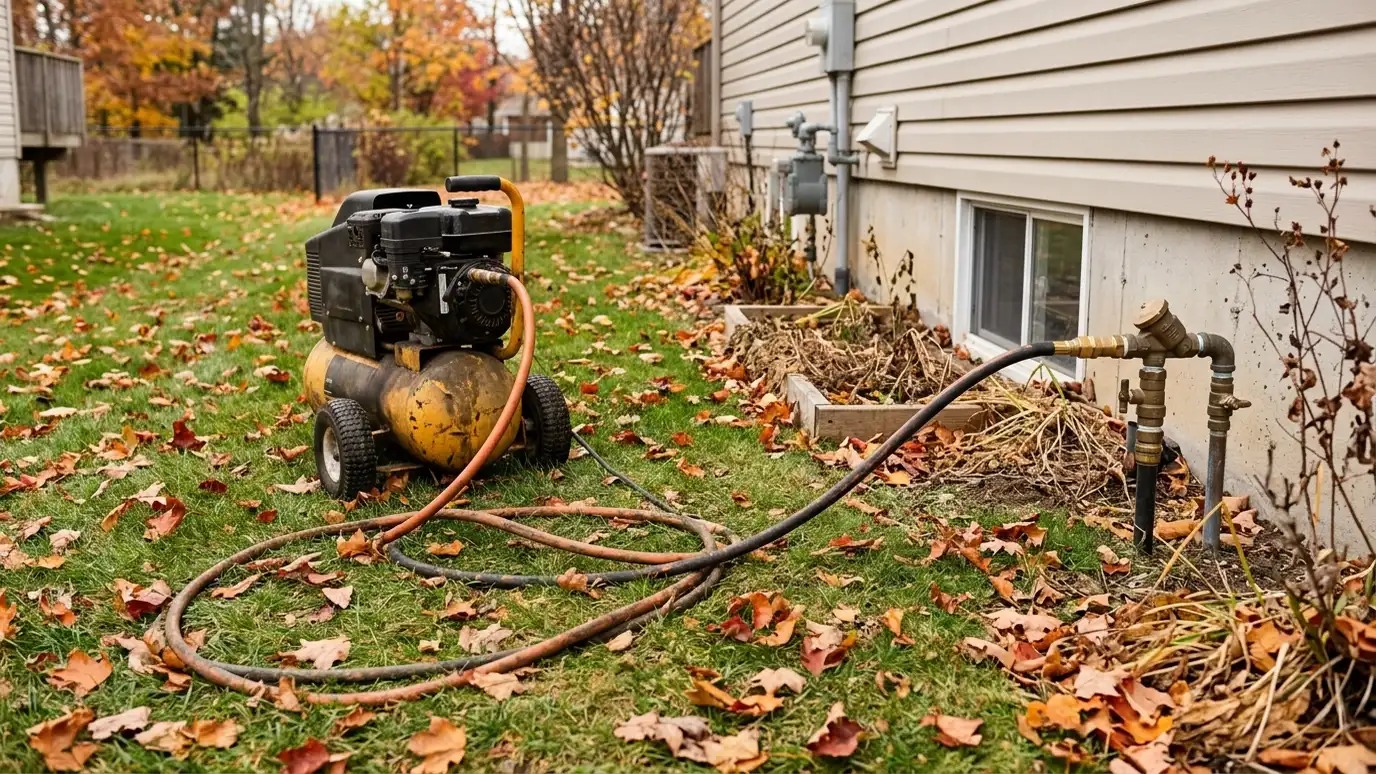
A technician shuts off the water, drains the backflow device and connects an air compressor. Air pushes water out through the heads, zone by zone, until only air is left.
Pressure must be controlled. Too much can damage heads and fittings, which is why a proper compressor and gauge matter.
The backflow device
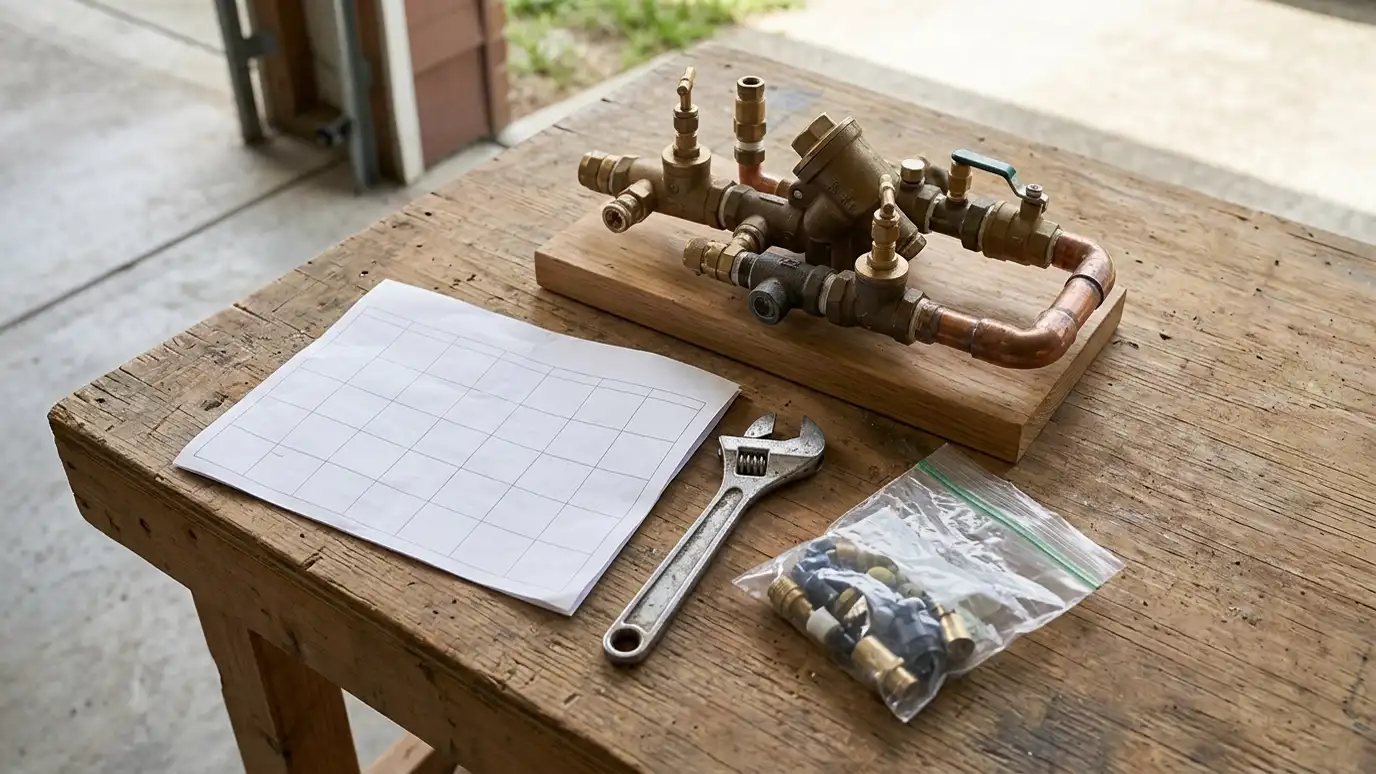
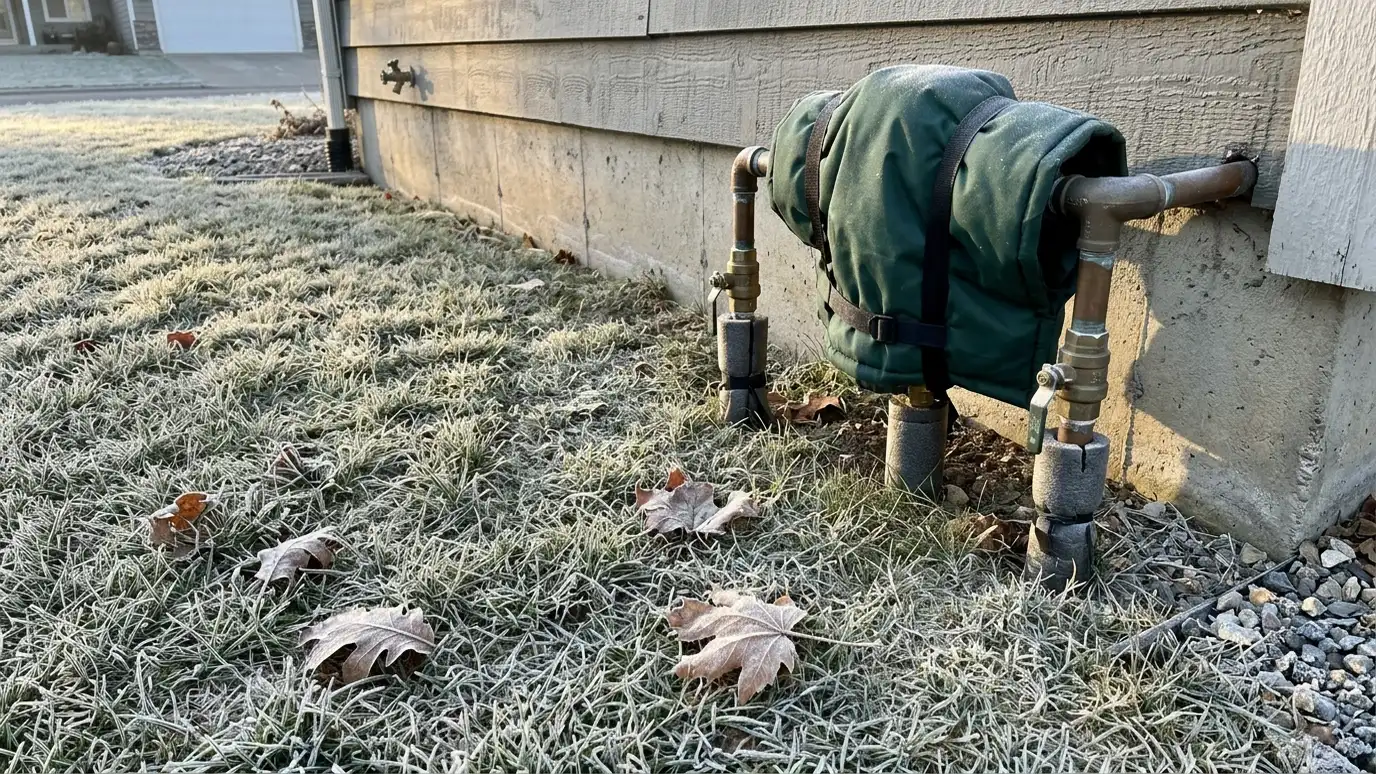
The backflow preventer is often above ground and holds water, so it is the part most at risk. It should be drained and, where recommended, insulated with a cover.
Cracked devices need to be replaced, and many providers require testing in the next season.
The controller and sensors
After a blowout the controller is set to off or rain mode so it does not try to water. Batteries should be checked and any rain sensor protected.
Leave the controller powered if it keeps the date and time or has a smart feature you want to keep.
DIY or professional
Do-it-yourself blowouts carry risks. Small compressors may not move enough air, and high pressure damages parts. Mistakes may not show until spring.
A professional blowout is quick, repeatable and comes with notes on what was done.
Winterize before the first hard freeze, drain the backflow device and use the right equipment.