The short answer
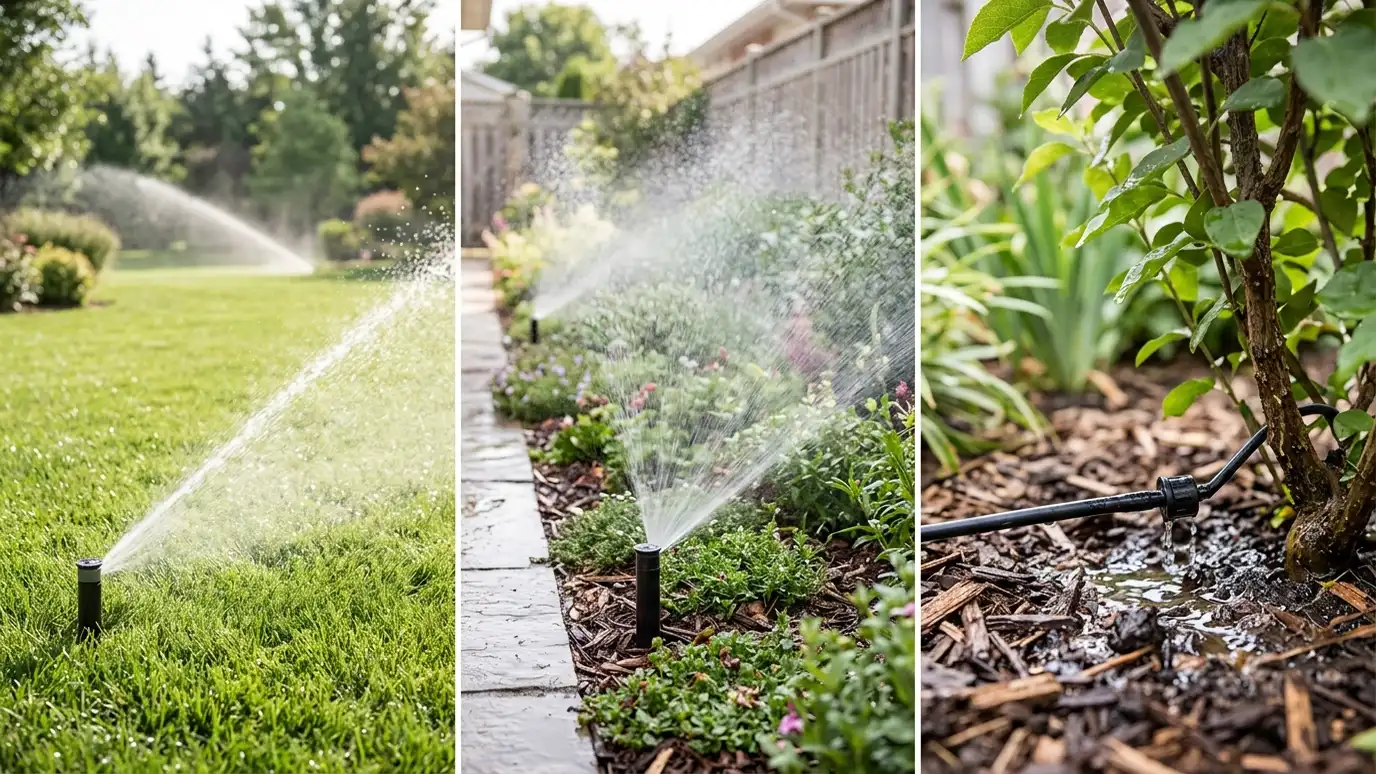
Use drip for beds, shrubs, trees and gardens, rotors for large open lawns and spray heads for small and narrow turf areas. Most yards use more than one, each on its own zone.
The right mix saves water and gives each plant what it needs.
Spray heads
Spray heads cover small areas with a fan of water. They are quick to apply water and suit tight spaces. They are less efficient in wind and heat, and they apply water faster than clay soil can take.
High-efficiency nozzles improve them noticeably.
Rotors
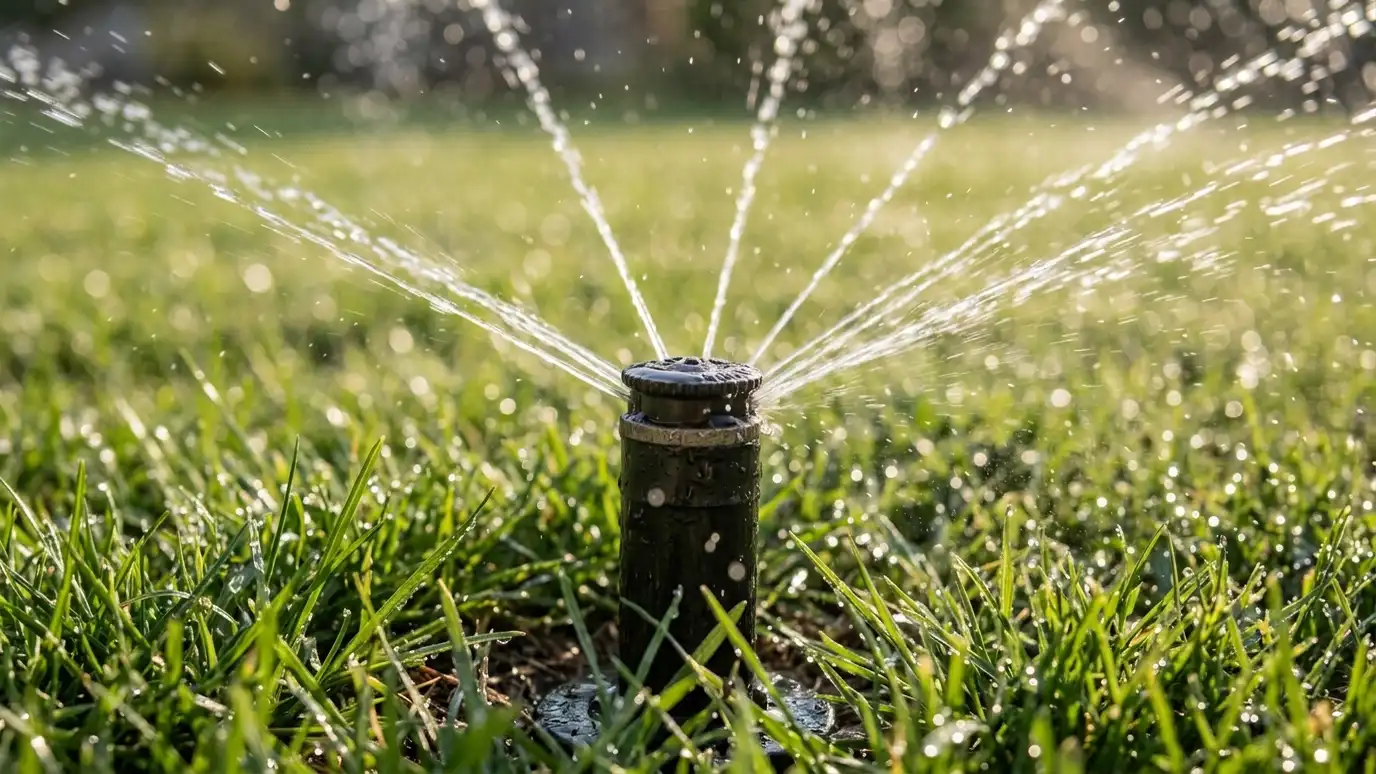
Rotors throw slow streams a long way. They suit large lawns, slopes and clay soil because they apply water gently. They need longer run times and good spacing.
They are not a good fit for narrow strips.
Drip
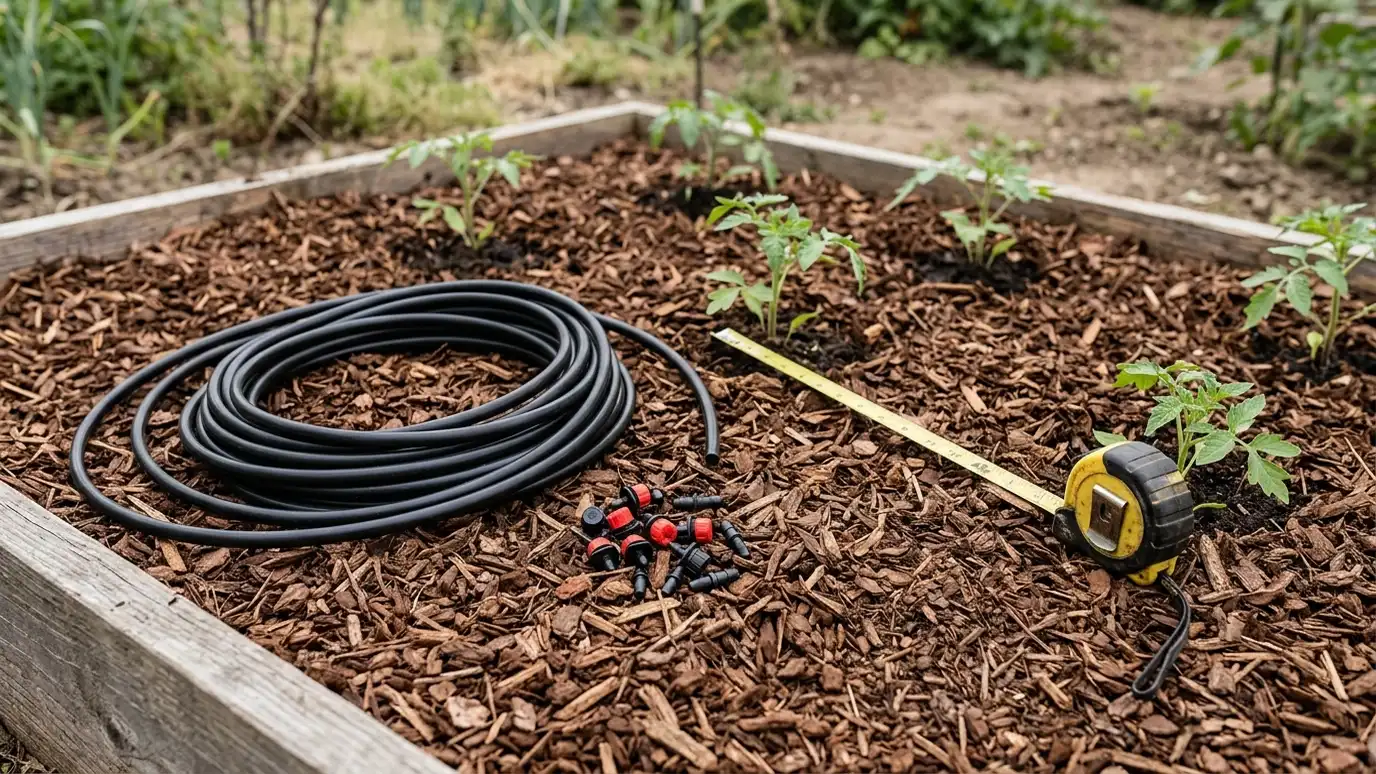
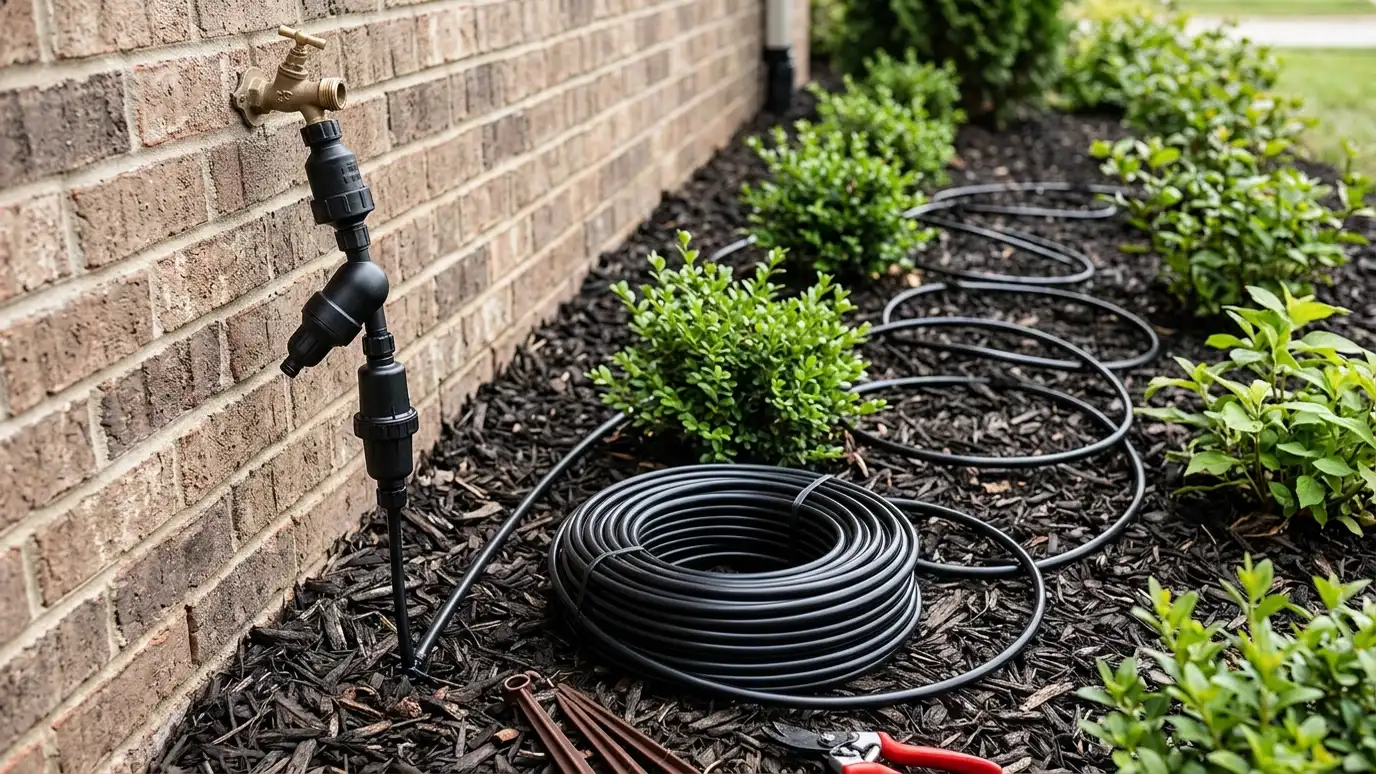
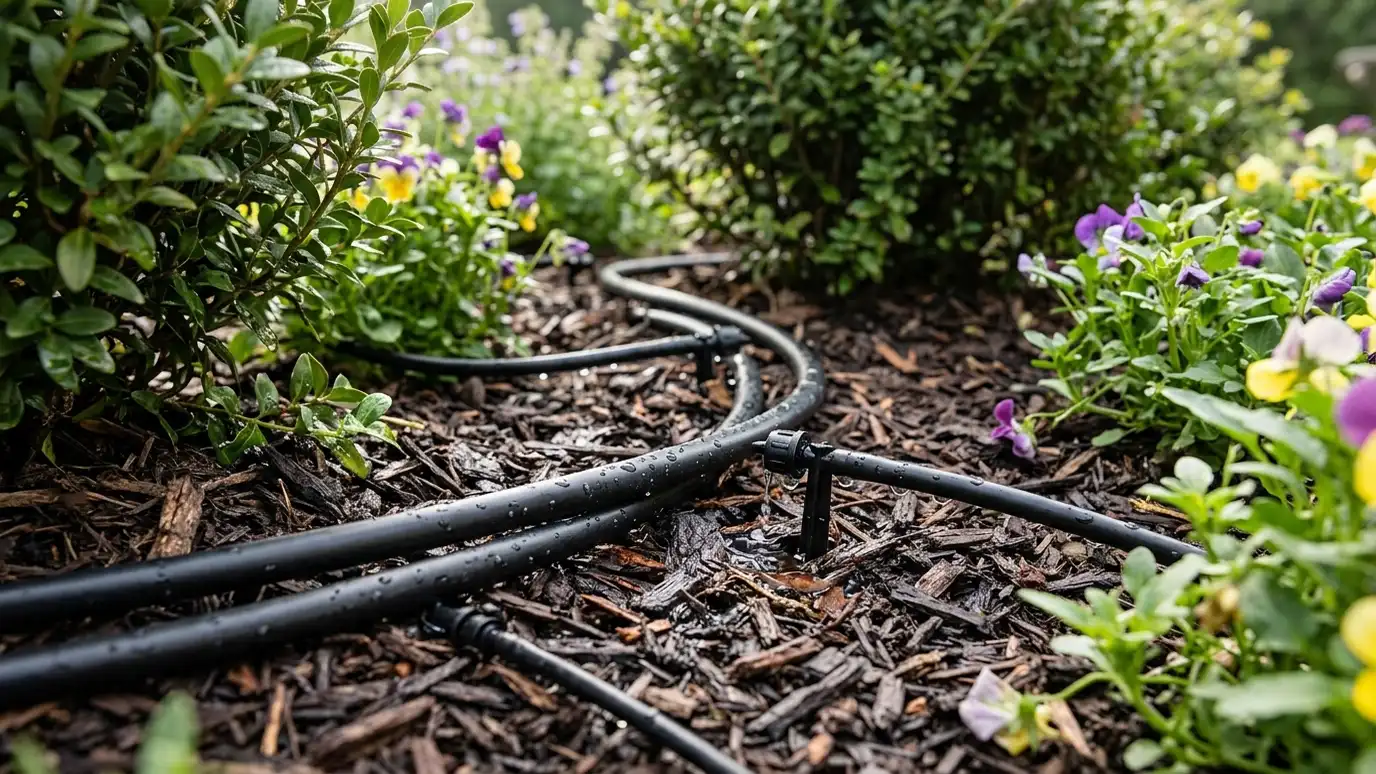
Drip puts water at the roots with almost no loss. It keeps foliage dry, reduces weeds and uses a fraction of the water of sprays on beds. It needs filters, regulators and occasional flushing.
It is not a substitute for lawn irrigation.
Cost and upkeep
Spray and rotor zones cost a similar amount to install. Drip may cost less per zone, but needs more detail work. Maintenance differs: spray nozzles clog and break, rotors wear, drip emitters clog.
Long-term water savings are usually greatest with drip in beds and efficient nozzles in lawns.
Putting it together
A well-planned system separates lawn and beds, and sun and shade, so each zone fits its plants. Mixing head types on one zone causes uneven watering.
We design the mix with you and explain the reasons for each choice.
Use rotors or sprays for lawn, drip for beds, and never mix head types on one zone.