Soil sensors measure what plants can use, and flow sensors catch leaks. Here is how they help a system run smarter.
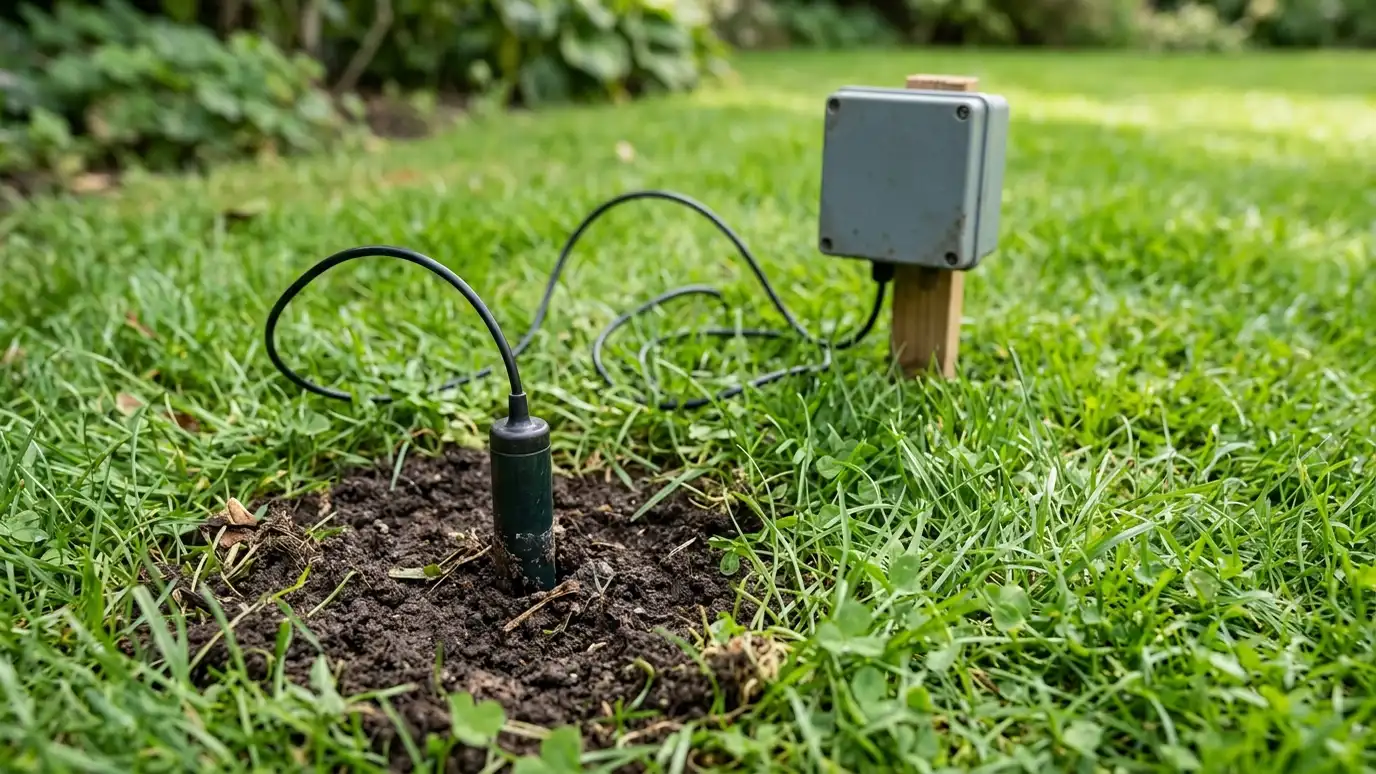
Most irrigation systems water by the clock, not by need. Soil moisture sensors change that by measuring how wet the soil is at root depth and telling the controller to skip a cycle when it is wet enough. They work well in representative spots, with set points that suit your soil and plants. Poorly placed sensors can mislead, so they should go where conditions typical for the zone exist.
Flow sensors measure the water that moves through the system. Paired with a master valve and a compatible controller, they detect when flow is far above normal, shut down the zone and send an alert. They are the best protection against a broken pipe or stuck valve that could run for days. We install both, set up expected flow and test the response so the safety net really works.
Not the clock.
When soil is wet.
Representative spots.
Spots leaks.
Shuts down faults.
Verified shut-off.
Take the quiz, check a problem or ballpark a budget.
Many controllers accept a sensor input. We check yours and recommend compatible options.
It reports unusual flow, and the controller closes the zone and master valve.
In a representative spot at root depth, away from heads and edges.
 Equipment guideRotor SprinklersRotors throw water a long way in slowly turning streams. Here is where they shine, where they do…Learn more
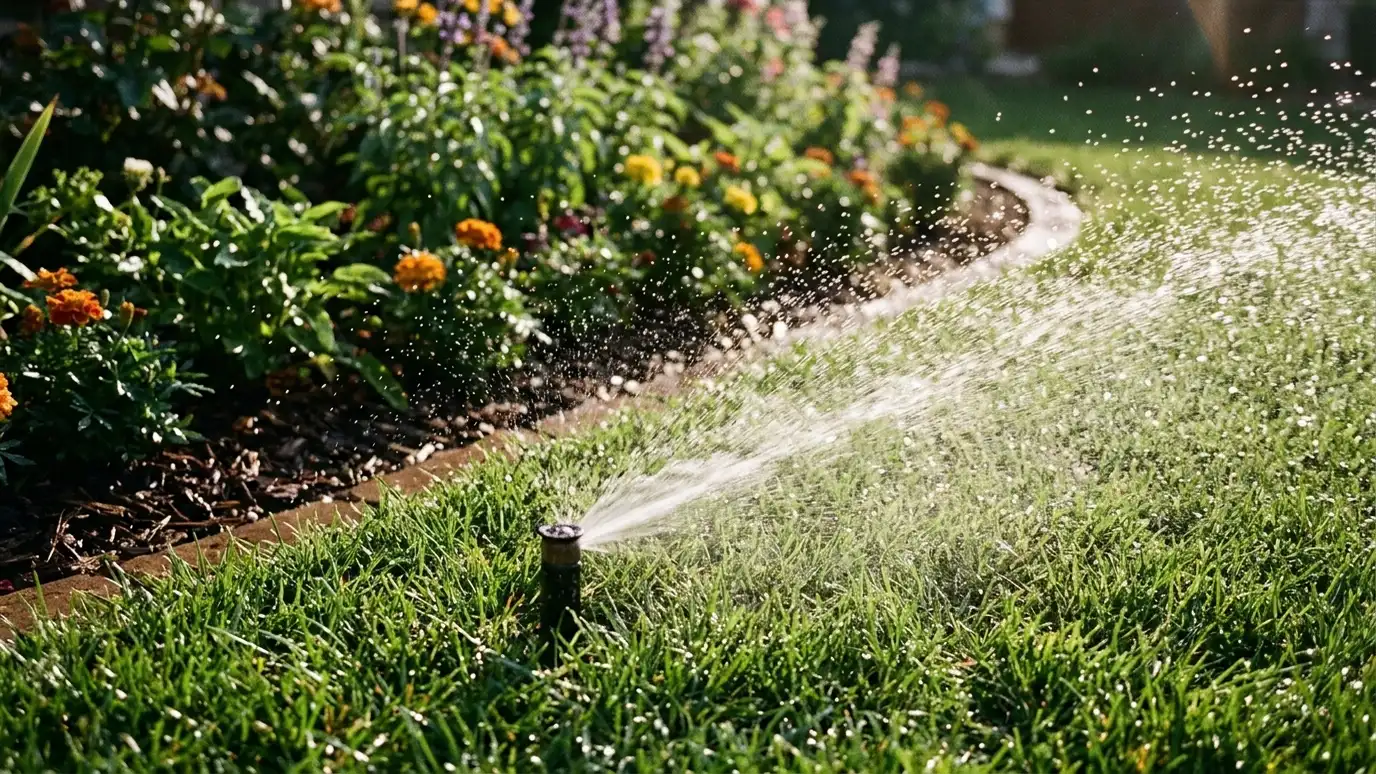 Equipment guideSpray Heads and NozzlesSpray heads pop up and fan water over small areas. Here is how nozzles differ and why matching…Learn more
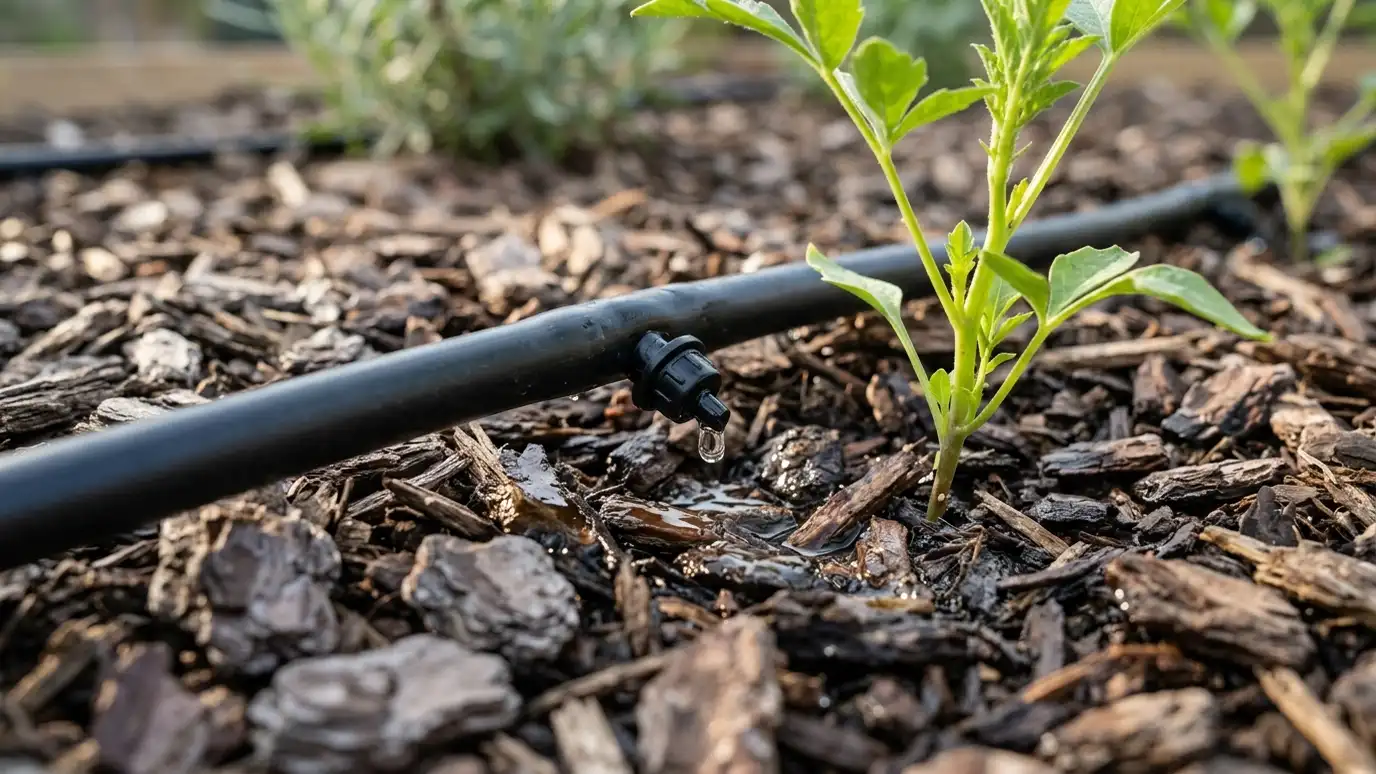 Equipment guideDrip Tubing and EmittersDrip delivers water slowly at the roots. Here is how tubing, emitters, filters and regulators fit together.Learn more
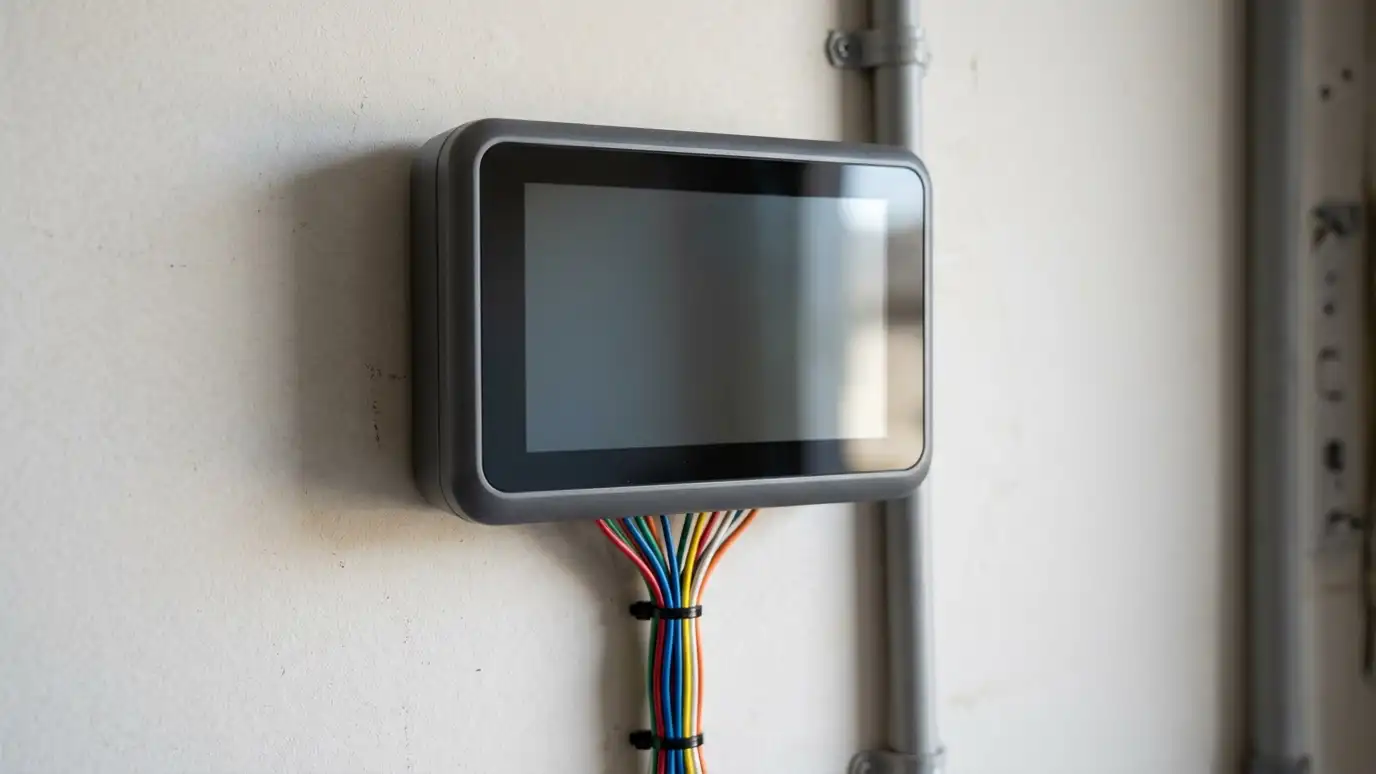 Equipment guideSmart ControllersSmart controllers adjust watering to weather and plant needs. Here is how they work and what to look…Learn more
Call us and we will walk your yard, test your water pressure and flow and give you a clear plan and a written scope for installation, repair or care.