Late winter
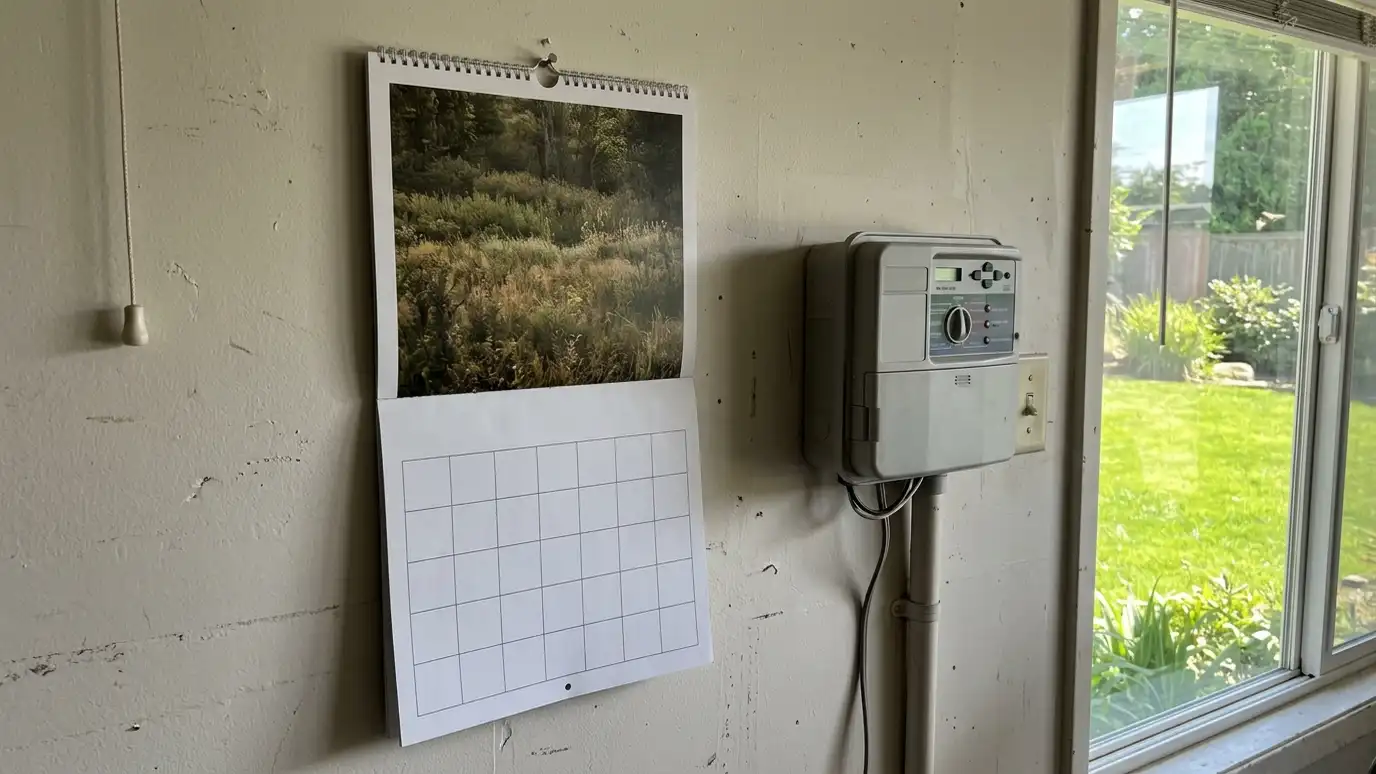
Review last year notes and book spring start-up and a mid-summer tune-up. Check the controller battery and look for winter damage when you walk the yard.
Do not turn the system on until hard freezes are over.
Spring
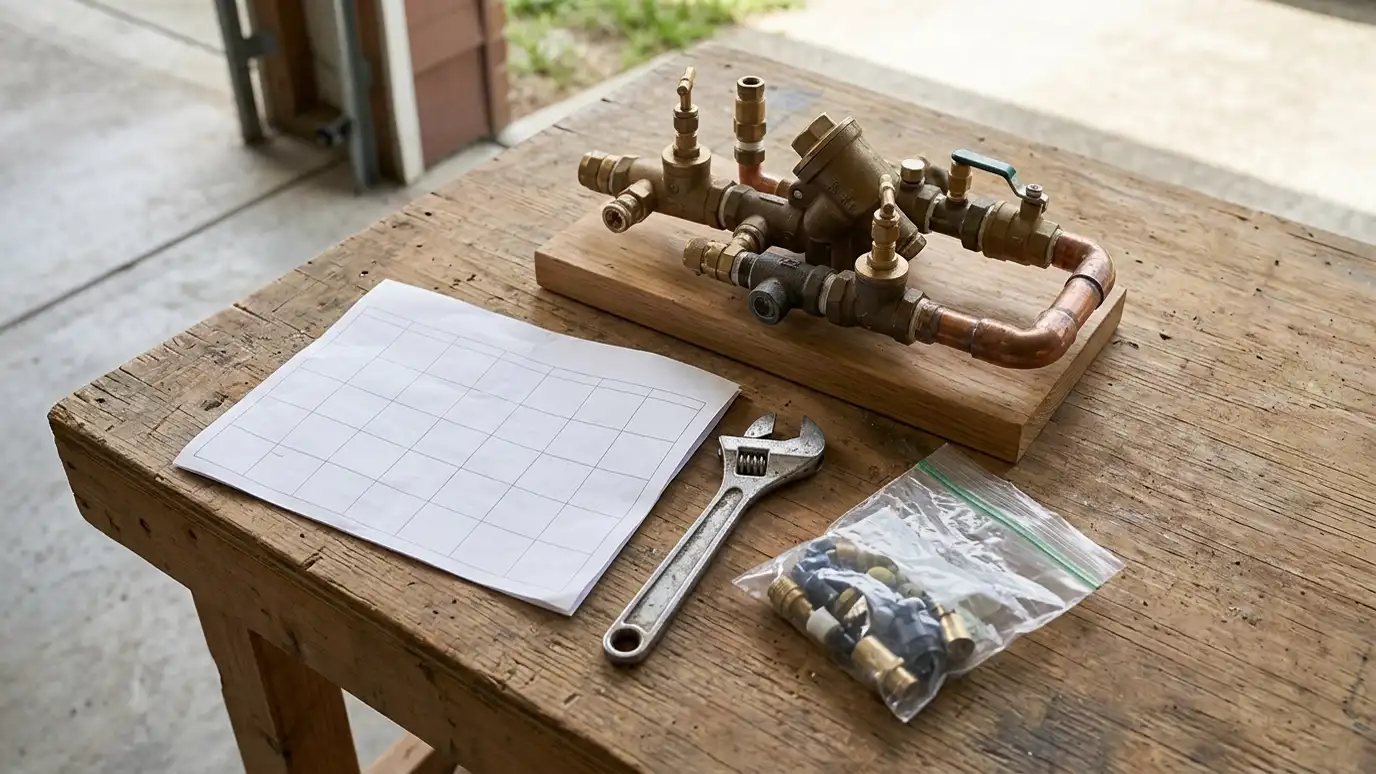
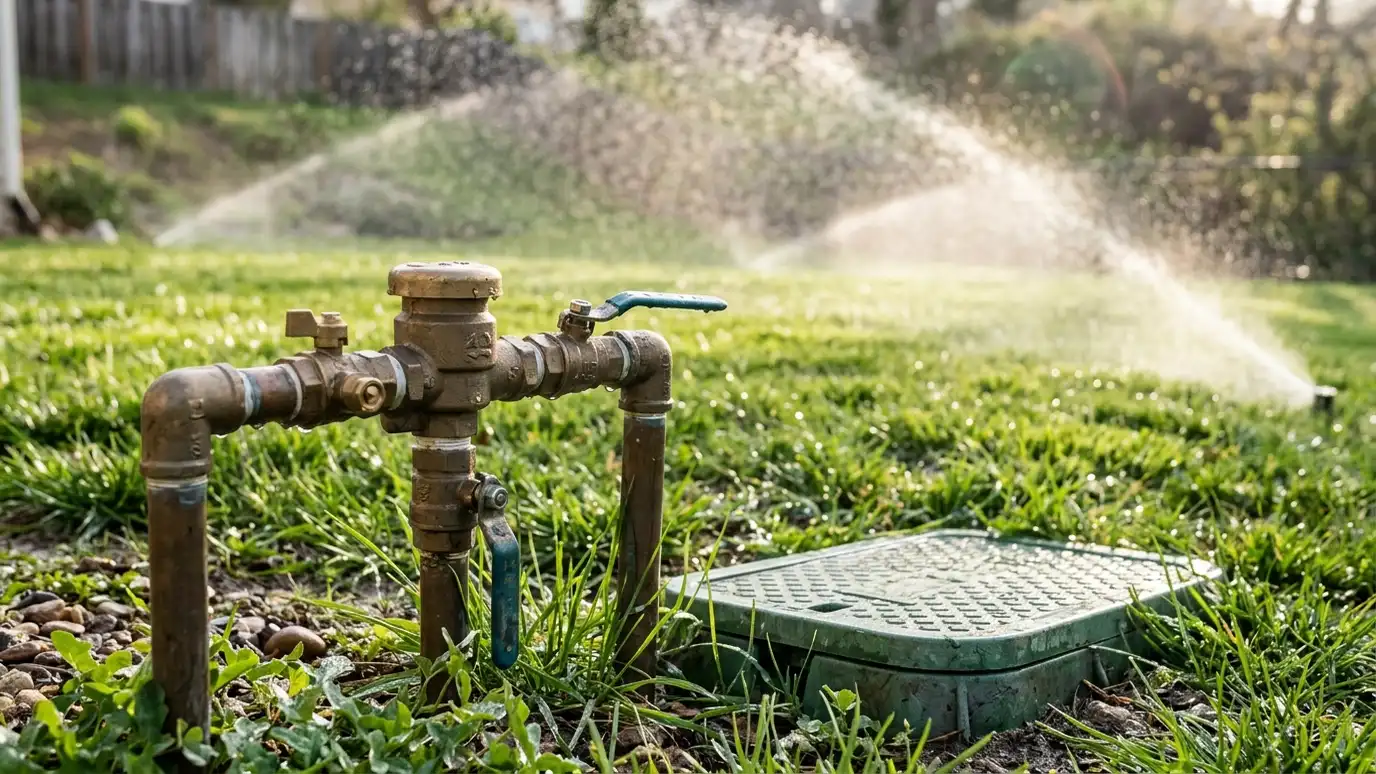
Start the system after freezes pass, test every zone, adjust heads and set a spring schedule. Test the rain sensor and have the backflow device tested if your provider requires it.
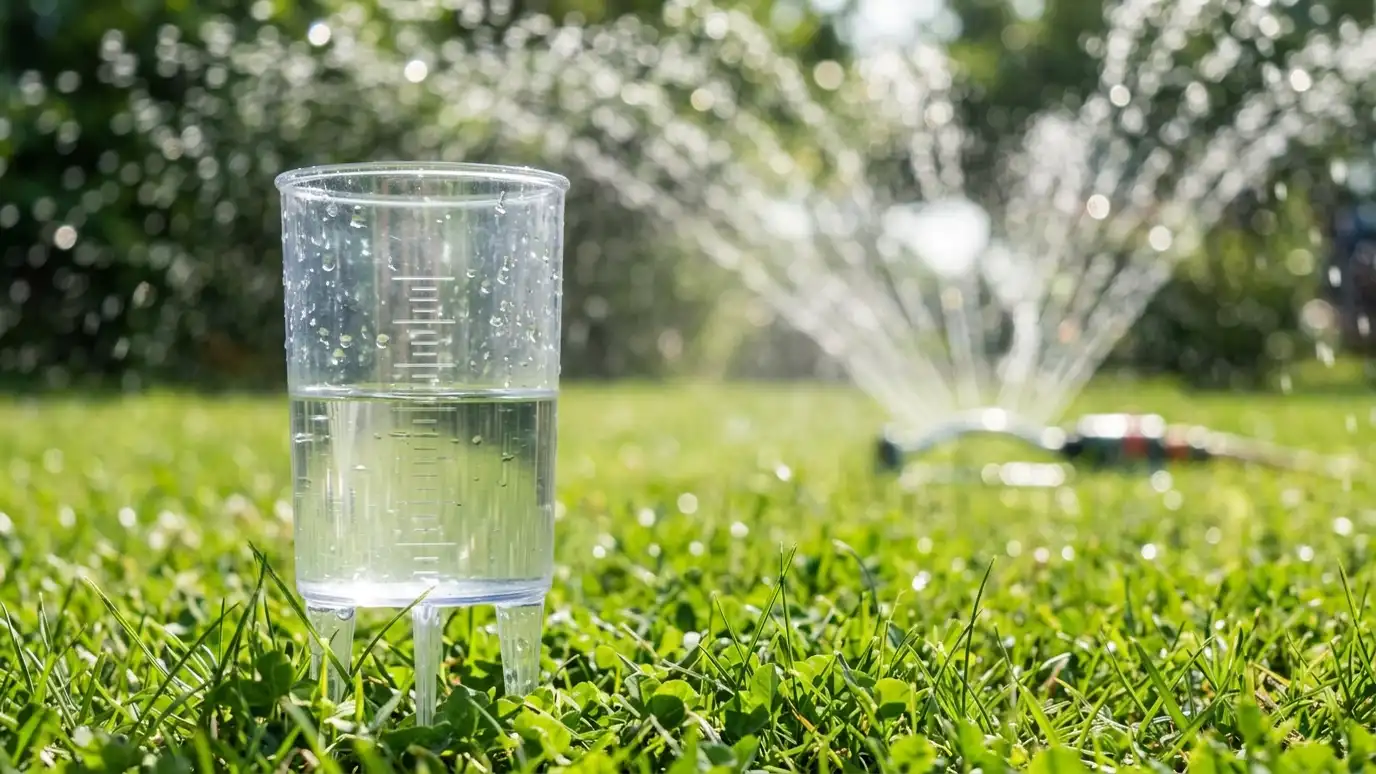
Spring needs less water than summer, so keep run times short.
Early summer
Raise run times as heat rises, check for dry spots and clogged nozzles and trim grass away from heads. Watch a cycle after mowing.
A mid-season tune-up catches problems before the hottest weeks.
Late summer
Check for brown spots, leaks and rising bills. Adjust the schedule to the weather, and keep deep, infrequent watering for fescue lawns.
Plan fall lawn work, such as aerating and seeding, with the schedule in mind.
Fall
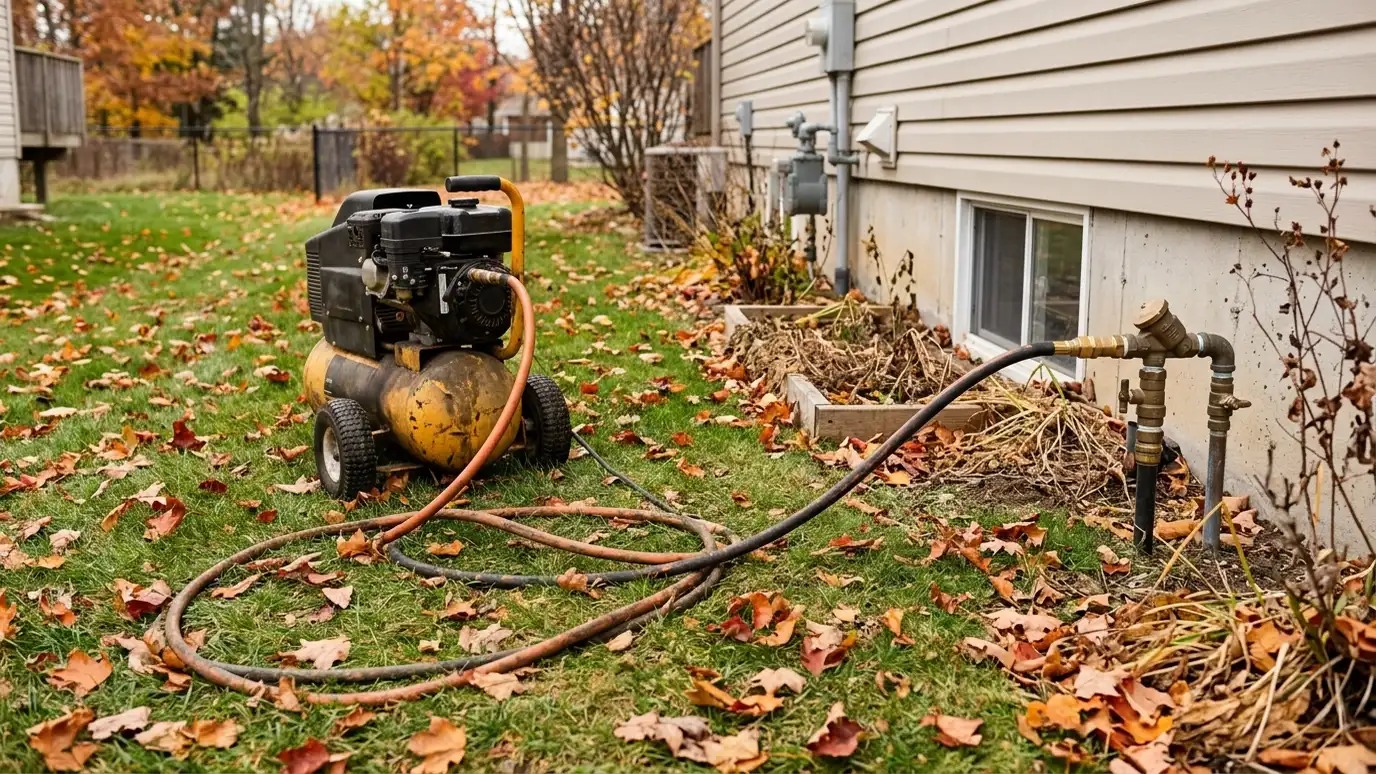
Lower run times as temperatures fall. Schedule winterization before the first hard freeze, drain and protect the backflow device and set the controller to off.
Book early for a choice of dates.
Every month in season
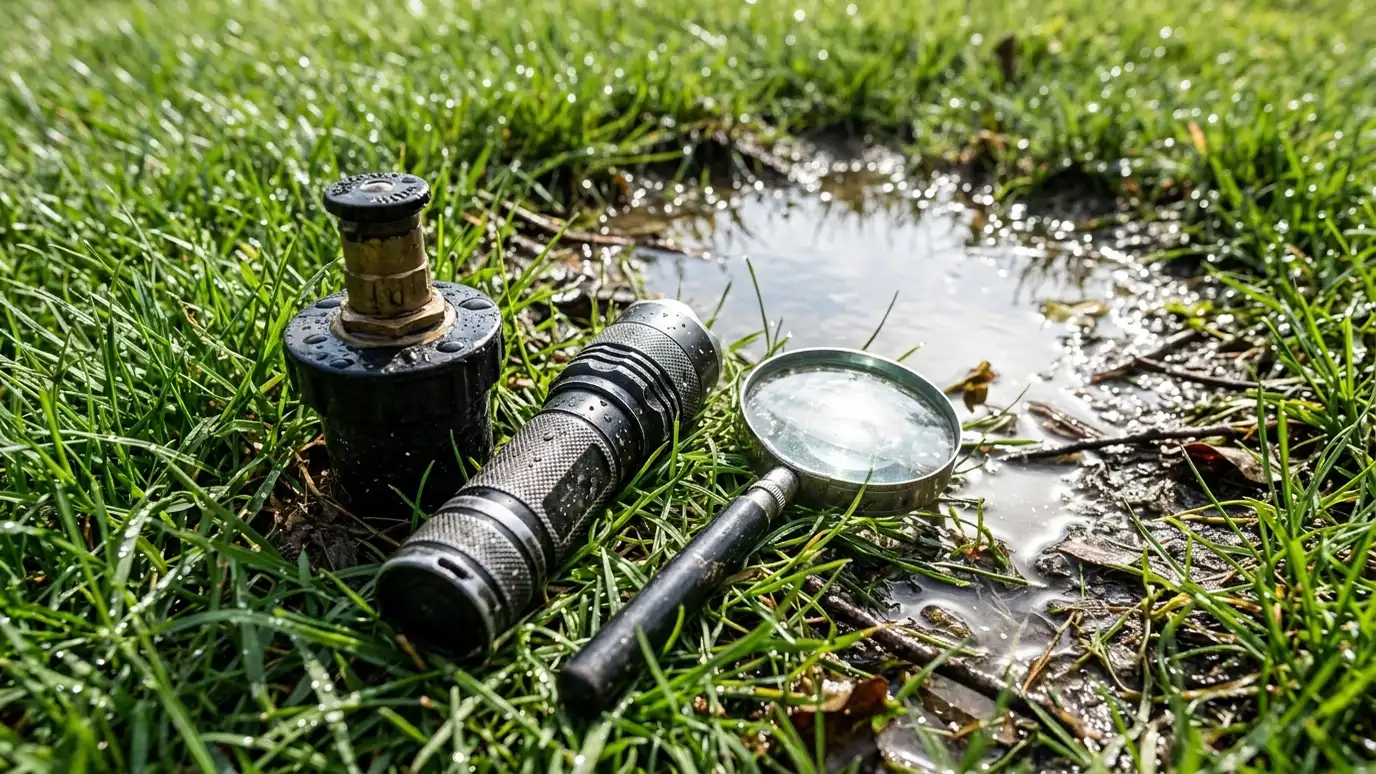
Run each zone and watch. Look at heads, clean nozzles you can reach, check for leaks and look at the controller for errors.
Note anything unusual, and call before it grows.
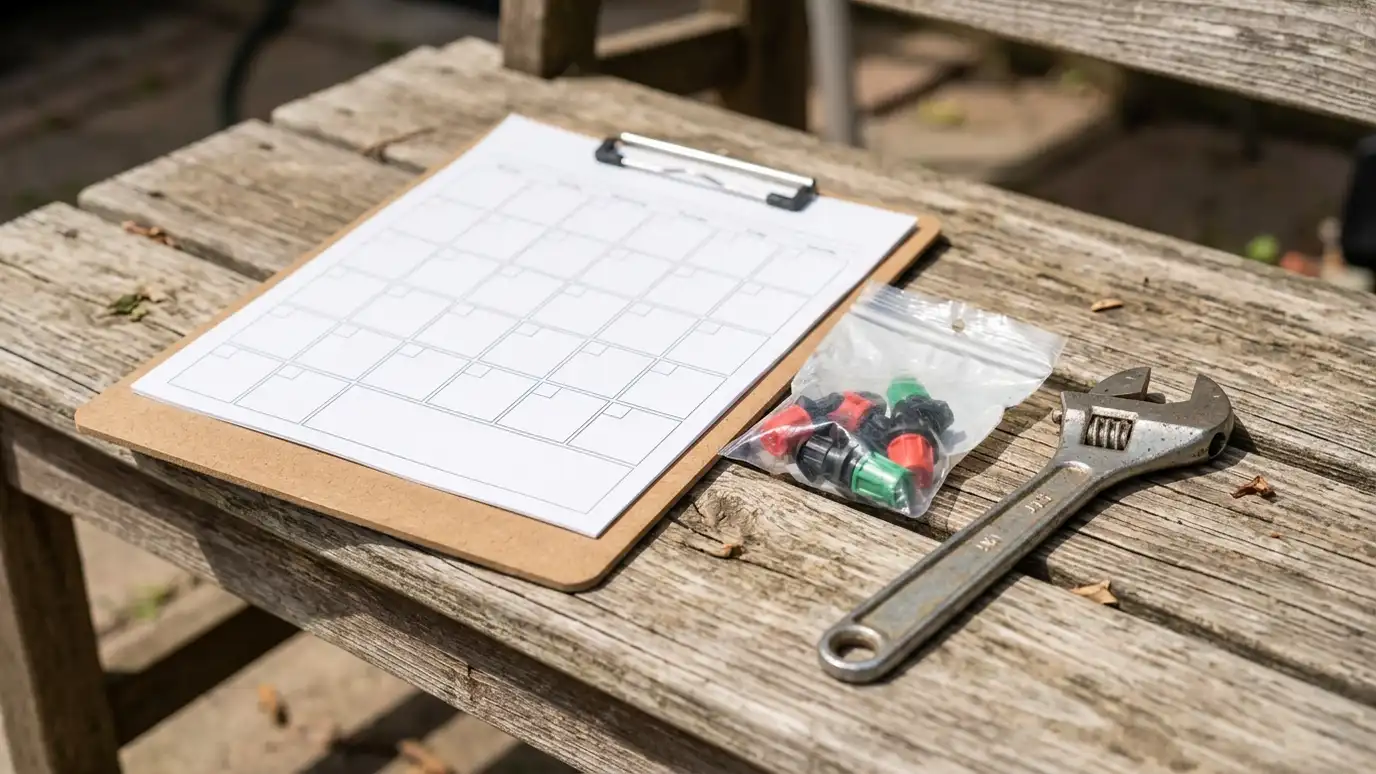
Put start-up, a summer tune-up and fall winterization on your calendar, and watch a cycle every month.