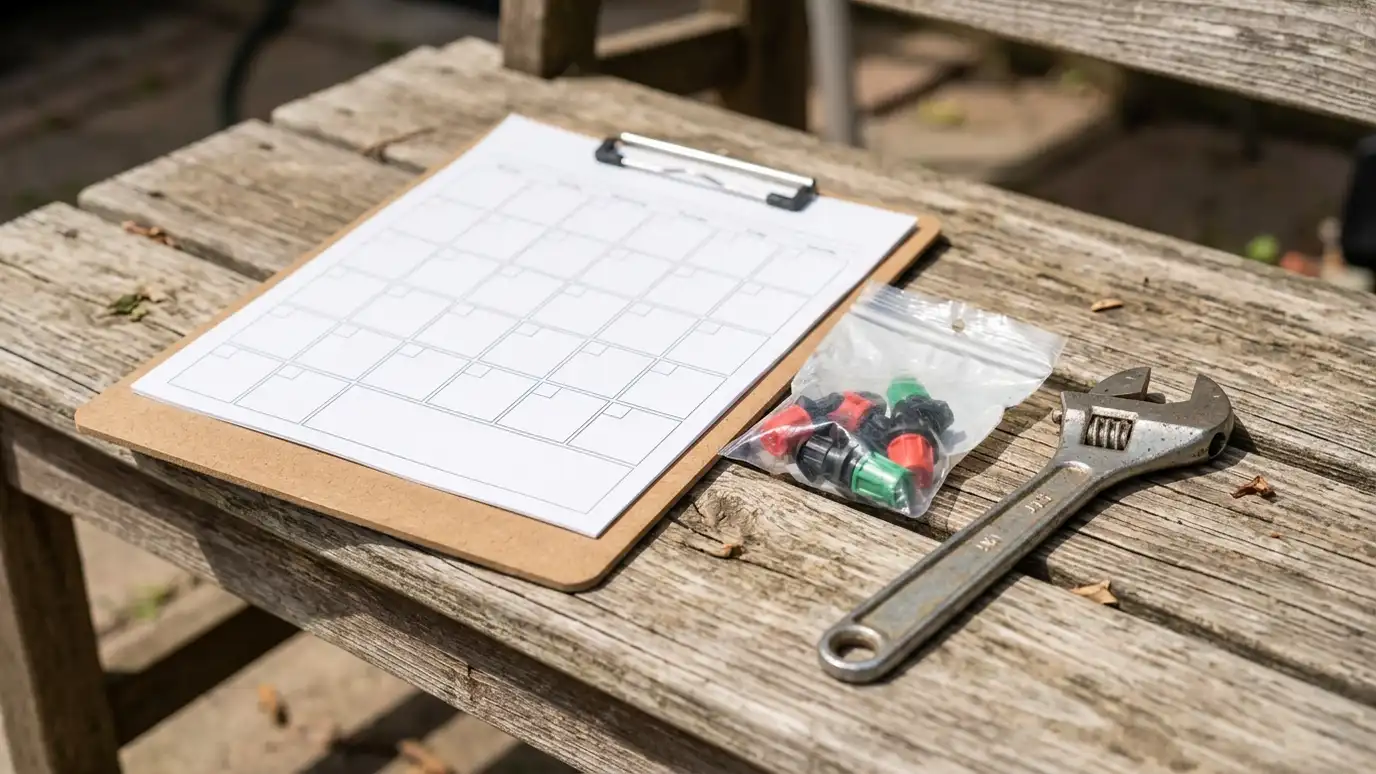
Pick the right time
Wait until the danger of hard freezes has passed, often late March or April in Middle Tennessee. Starting too early risks freezing a newly filled system. Check the forecast for a week ahead.
Spring is also the best time to schedule a professional visit before the summer rush.
Look before you turn it on
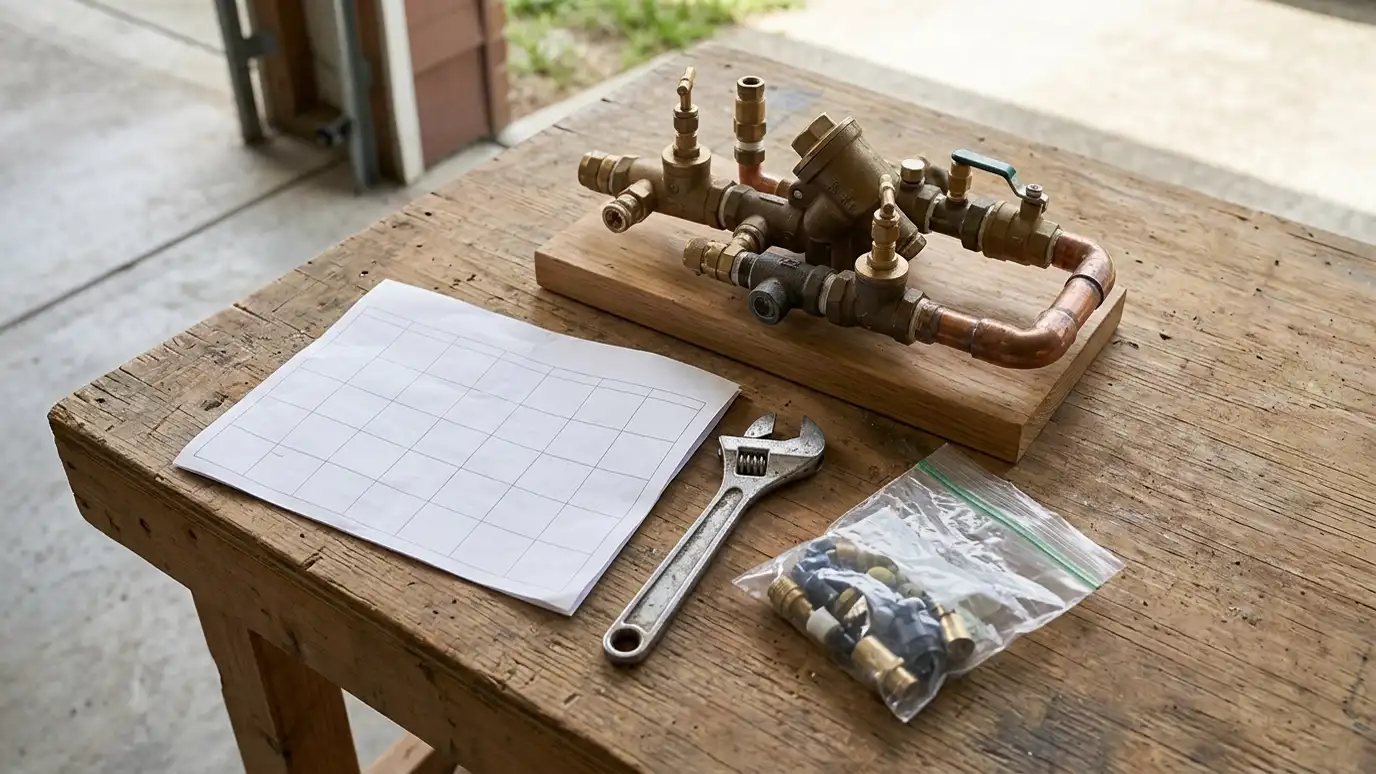
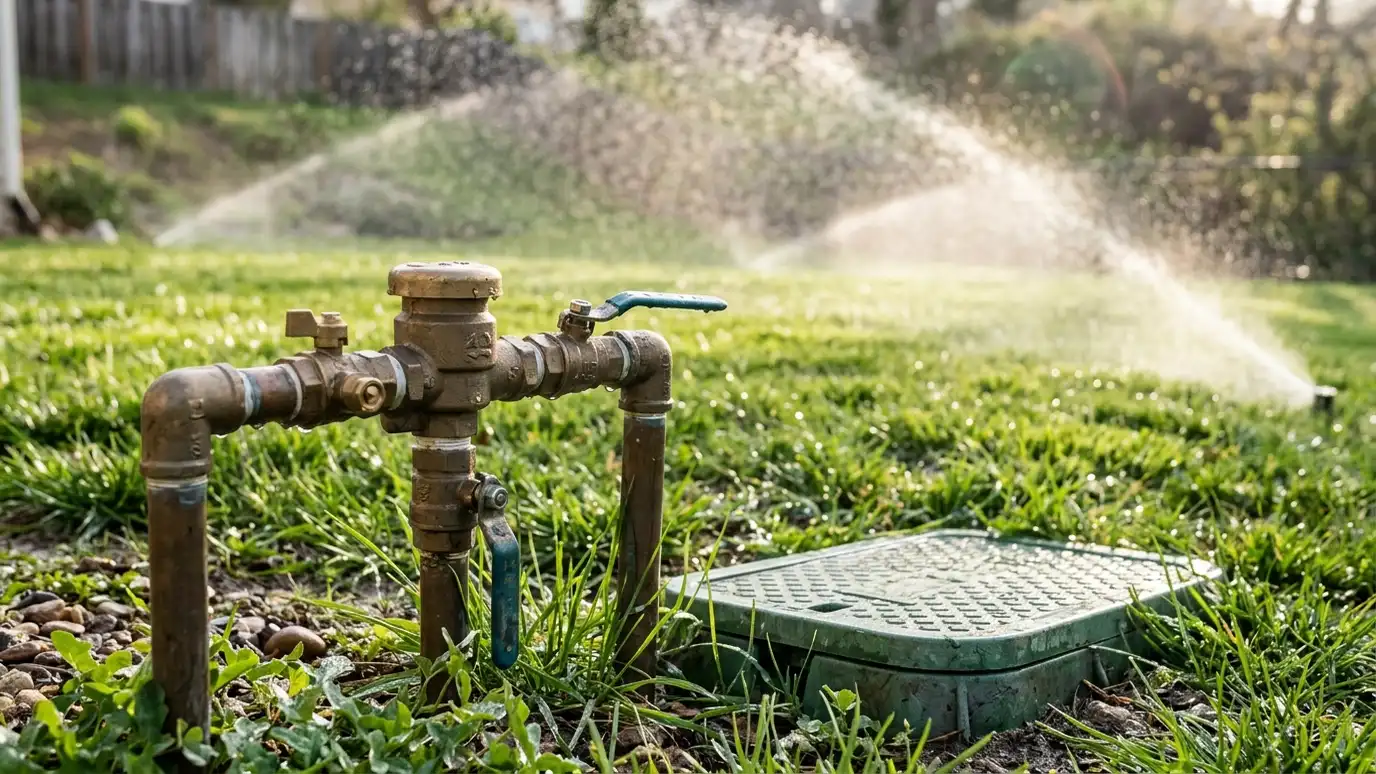
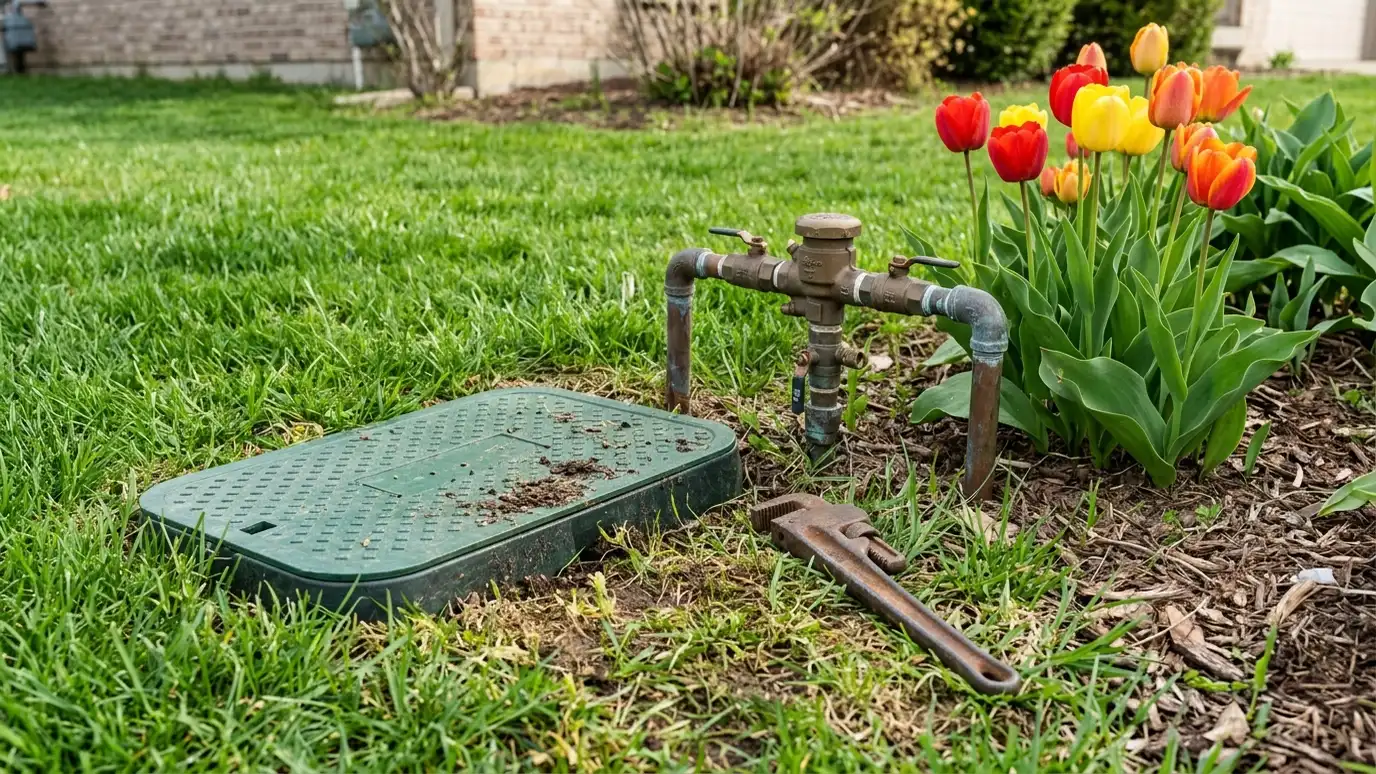
Walk the yard and look at heads, valve boxes and the backflow device. Remove debris from boxes and look for cracked covers, damaged heads and pipe that has surfaced.
Make sure the controller is set to off and has power.
Open the water slowly
Close the drain valves, then open the main shut-off slowly. A fast surge can crack fittings and valves. Listen for hissing or rushing water and look for geysers.
If you see or hear anything unusual, shut it off again and call for help.
Run each zone
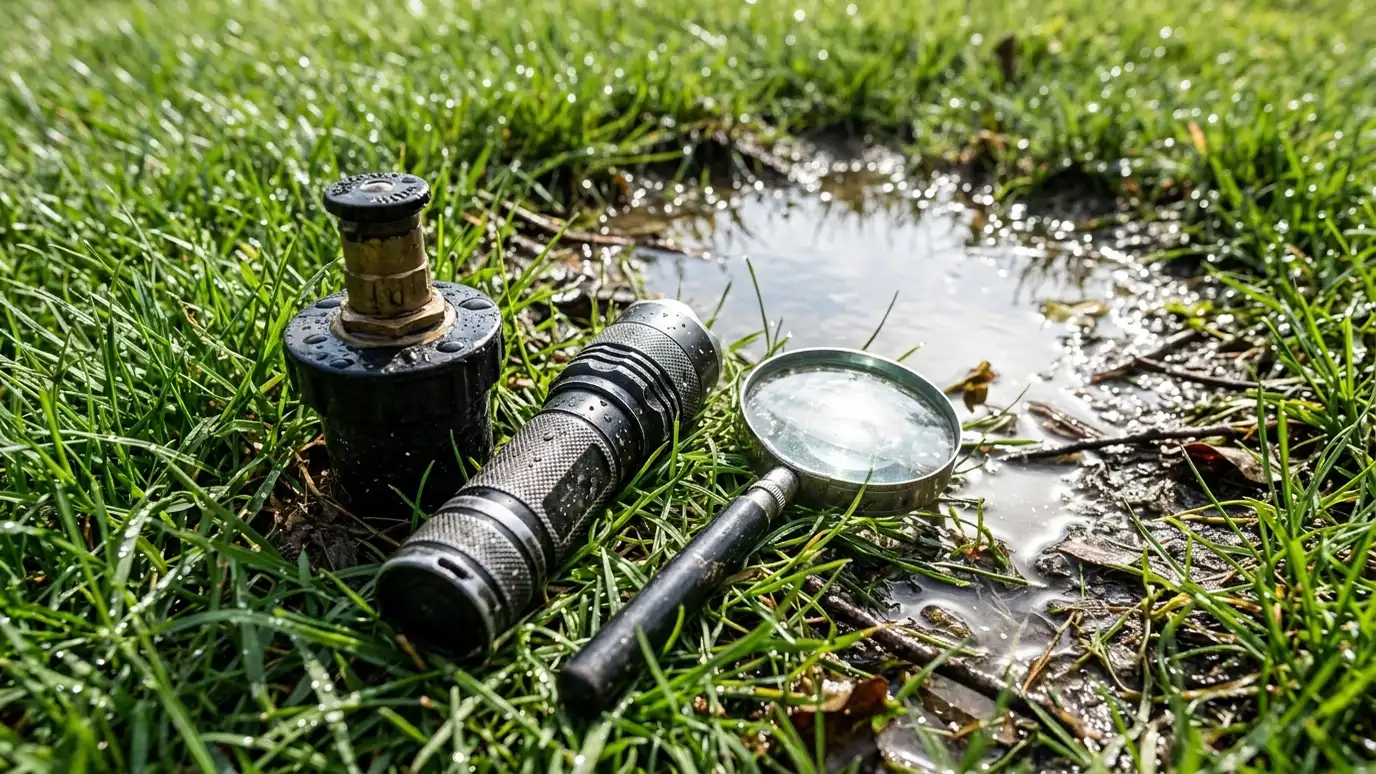
Run zones one at a time and watch every head. Look for leaks, broken or sunken heads, clogged nozzles, spray hitting pavement and dry gaps.
Note problems with flags or photos so they are easy to fix.
Check the controller and sensors
Set the date and time, replace the backup battery and set a spring schedule with shorter run times than summer. Test the rain sensor.
Confirm that every zone starts and stops from the controller, not just manually.
When to call a pro
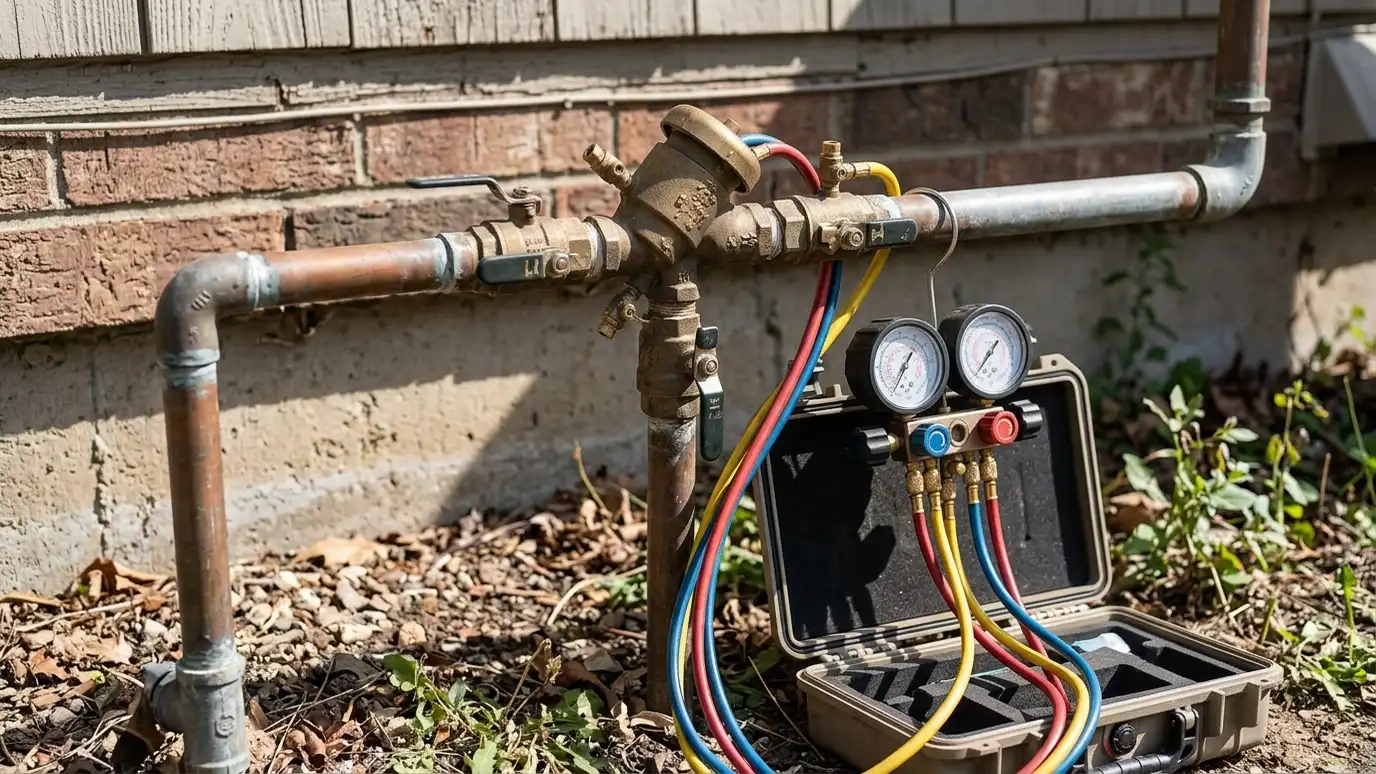
Call if water appears where it should not, pressure is low, a zone will not run or the backflow device leaks. A professional start-up tests everything, adjusts heads and gives you a written report.
Many owners find that a yearly start-up saves more than it costs, by catching leaks early.
Turn the water on slowly, watch every zone run and fix problems before the heat arrives.