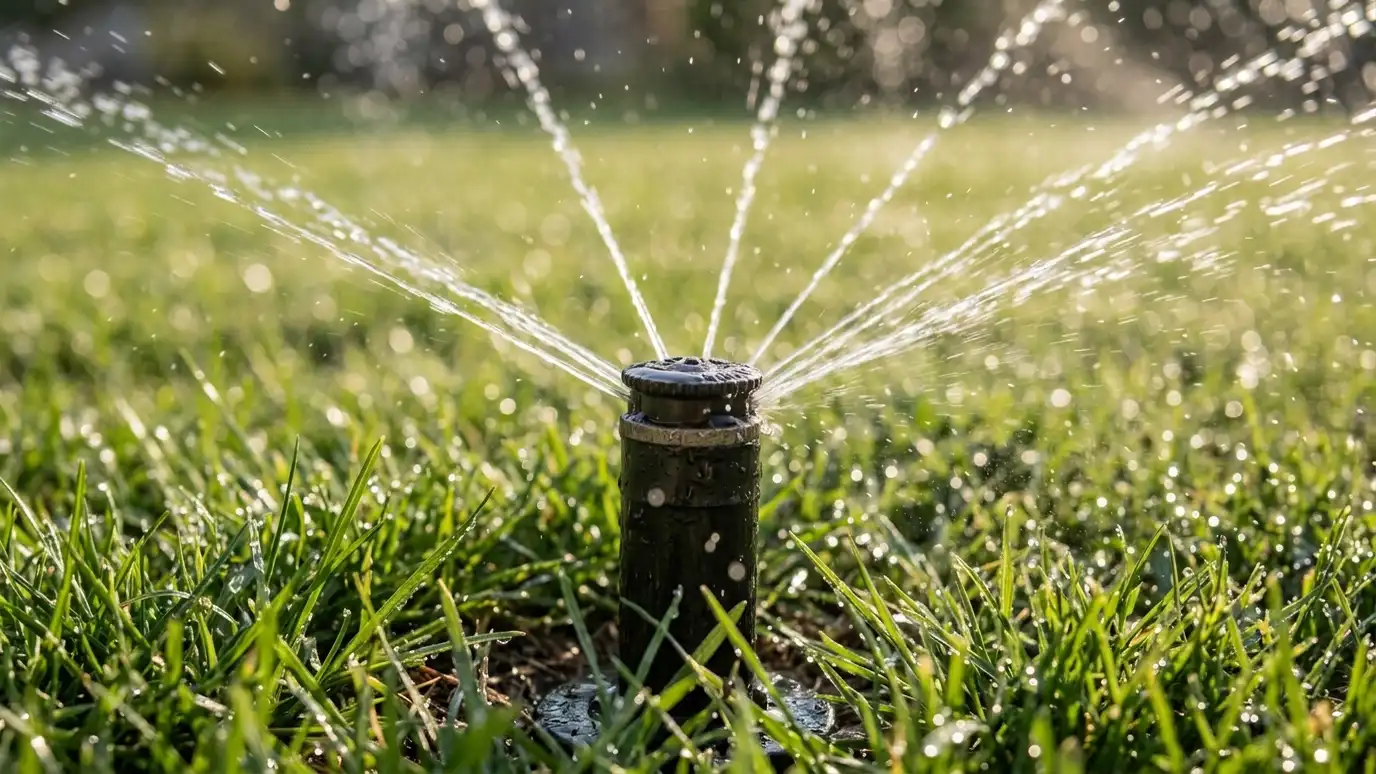
Spray heads pop up and fan water over small areas. Here is how nozzles differ and why matching them matters.
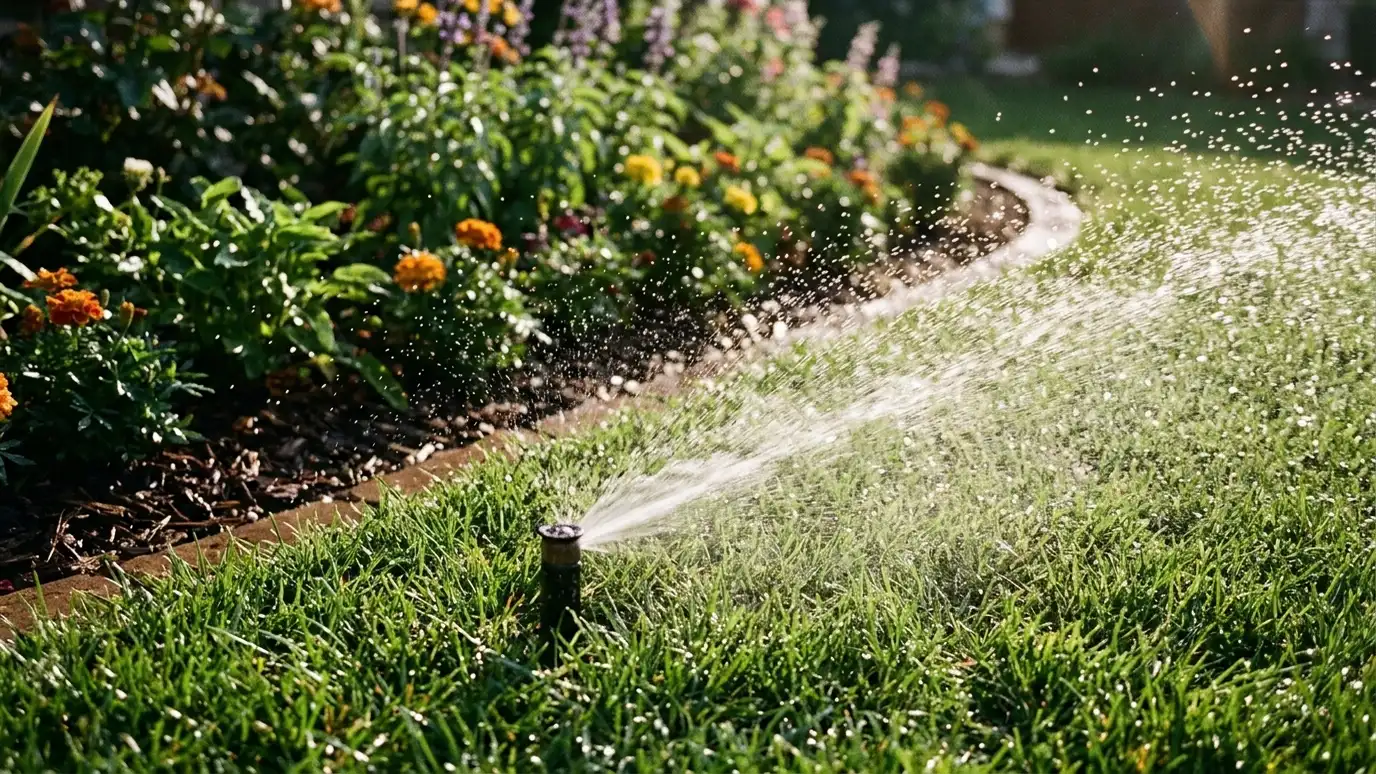
Spray heads pop up from a body and throw a fan of water over a fixed pattern, usually five to fifteen feet. They suit small lawns, curved areas and narrow strips, where rotors would overshoot. The nozzle on top determines the pattern: full, half and quarter circles, narrow strips and adjustable arcs. Pressure matters, because too much turns the spray into mist and too little shortens the throw.
Spray heads apply water fast, often an inch or more per hour, which is quicker than many soils can absorb. High-efficiency nozzles slow application and increase drop size. Matching nozzles within a zone is crucial, because mixing types leads to wet and dry patches. Pressure-regulated bodies keep output steady. Nozzles wear and clog with sand, so a yearly clean and check keeps coverage even.
Full, half, quarter.
Tight spaces.
Mist if too high.
Even watering.
Slower and steadier.
Clean and adjust.
Take the quiz, check a problem or ballpark a budget.
Pressure is probably too high. A regulator or pressure-regulated heads fix it.
Yes, but keep them consistent on a zone so watering is even.
Many last for years, but sand and grit wear them. Check them yearly.
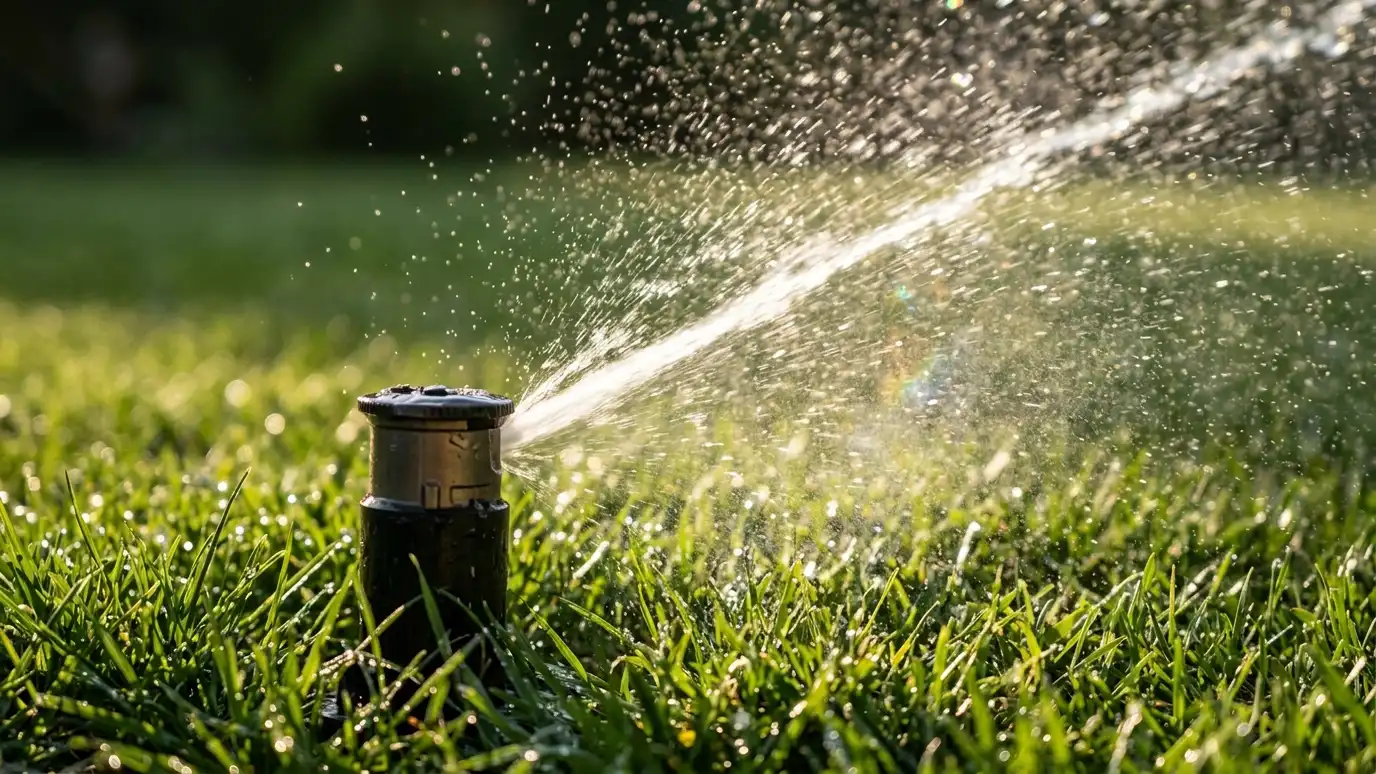 Equipment guideRotor SprinklersRotors throw water a long way in slowly turning streams. Here is where they shine, where they do…Learn more
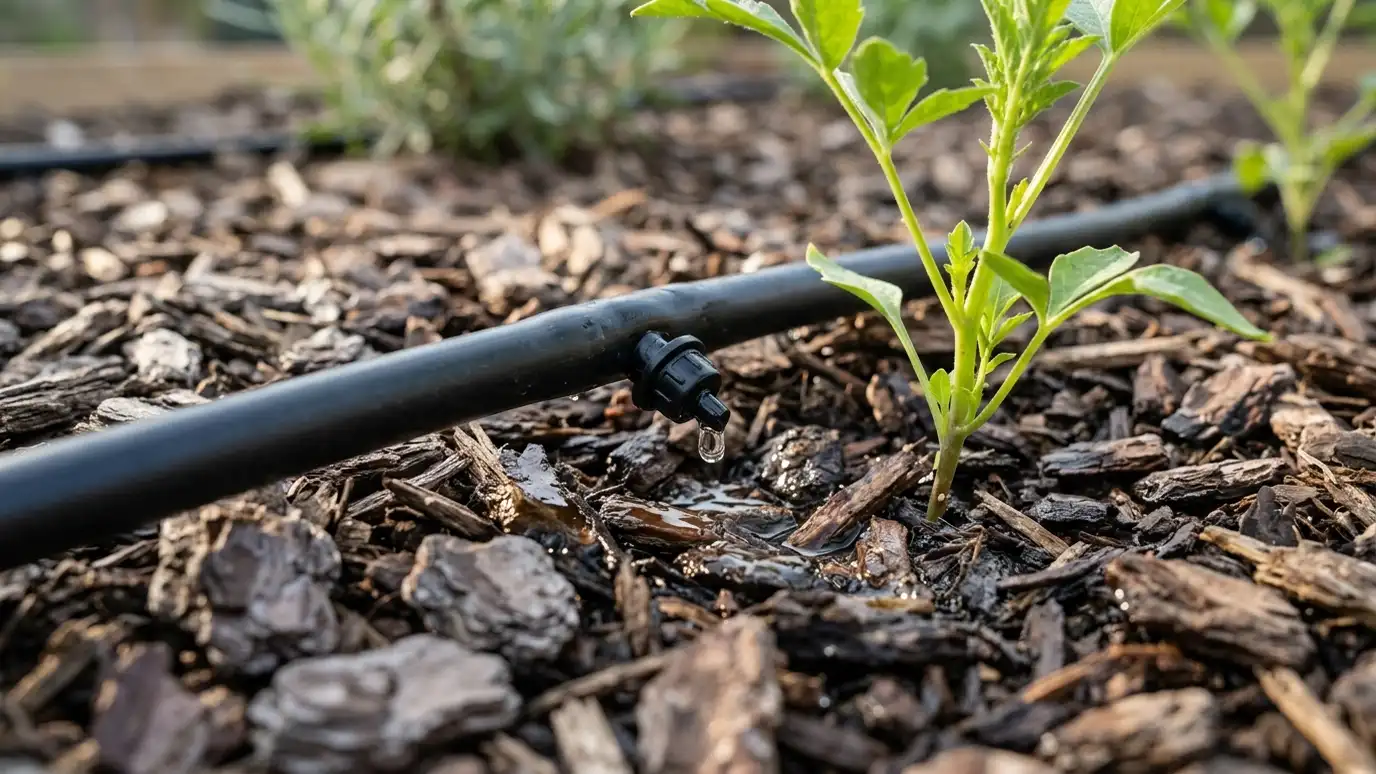 Equipment guideDrip Tubing and EmittersDrip delivers water slowly at the roots. Here is how tubing, emitters, filters and regulators fit together.Learn more
 Equipment guideSmart ControllersSmart controllers adjust watering to weather and plant needs. Here is how they work and what to look…Learn more
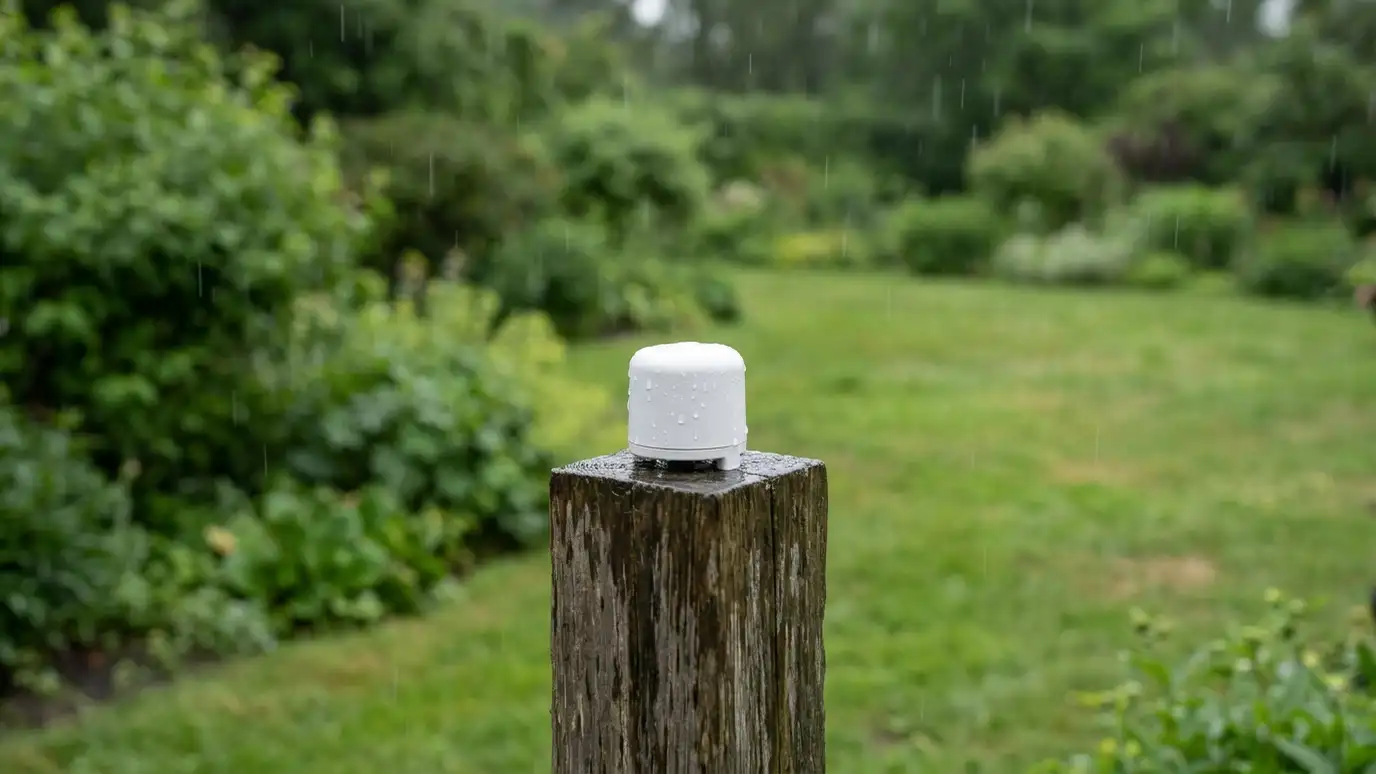 Equipment guideRain and Freeze SensorsSensors stop watering when it is wet or cold. Here is how they work and where they belong.Learn more
Call us and we will walk your yard, test your water pressure and flow and give you a clear plan and a written scope for installation, repair or care.