Sensors stop watering when it is wet or cold. Here is how they work and where they belong.
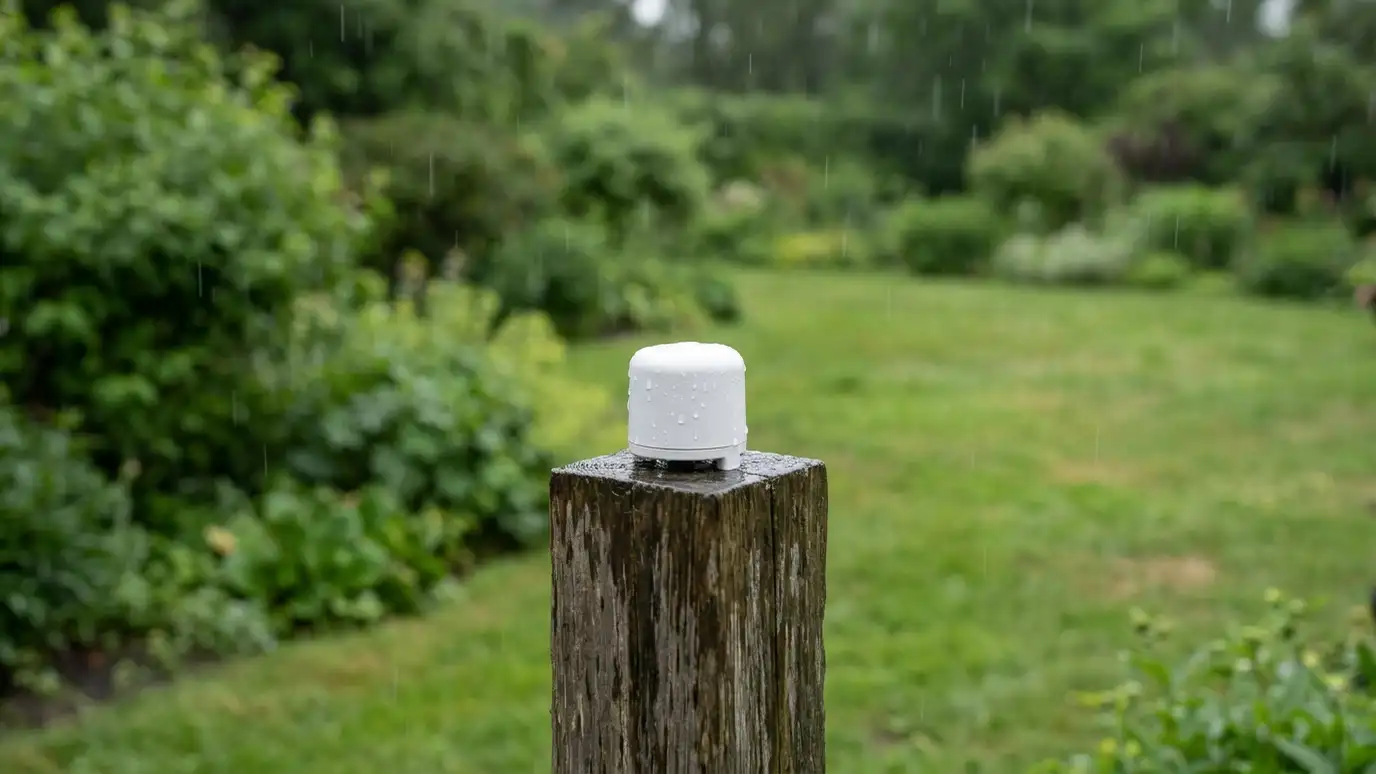
A rain sensor is a small device, usually on a post or gutter, that holds water in a cup or on absorbent discs. When it has collected enough rain, it opens a switch that tells the controller to skip watering. As the sensor dries out, watering resumes. A freeze sensor works the same way for cold, and some devices combine both. Simple as they are, they prevent the sight of sprinklers running in the rain.
Placement matters. A sensor under an eave or a tree never sees the rain and never works. It needs open sky and a spot where it can be reached for testing. Soil moisture sensors take the idea further by reading the soil itself. They need correct placement in a representative spot and set points that fit your soil and plants. We install, wire and test every sensor and show you how to check it each season.
Saves water.
Protects pavement.
Not under eaves.
Optional extra.
Wired and verified.
Easy to test.
Take the quiz, check a problem or ballpark a budget.
It collects rain and opens a switch. The controller then skips watering until it dries.
In open sky, away from eaves and trees, and reachable for testing.
A freeze sensor, or a smart controller that uses weather data, does.
 Equipment guideRotor SprinklersRotors throw water a long way in slowly turning streams. Here is where they shine, where they do…Learn more
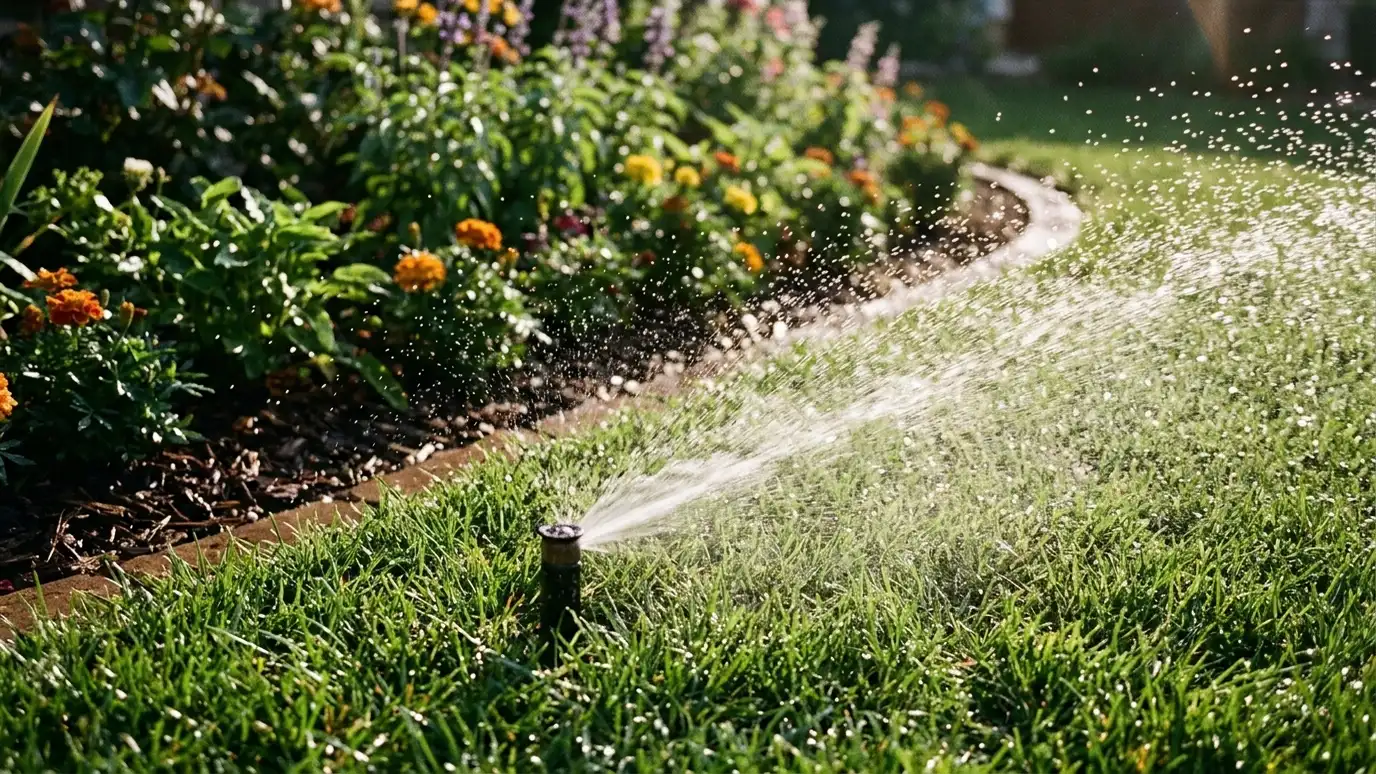 Equipment guideSpray Heads and NozzlesSpray heads pop up and fan water over small areas. Here is how nozzles differ and why matching…Learn more
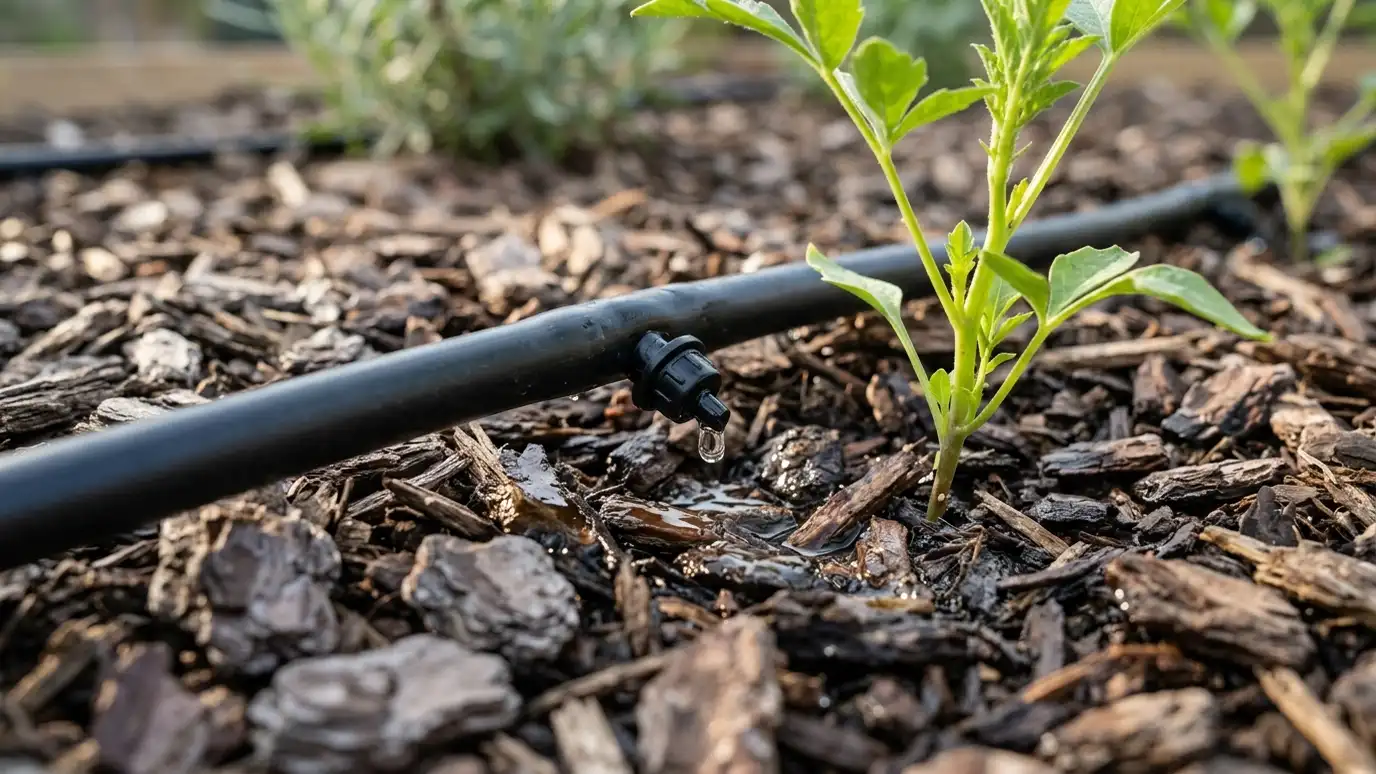 Equipment guideDrip Tubing and EmittersDrip delivers water slowly at the roots. Here is how tubing, emitters, filters and regulators fit together.Learn more
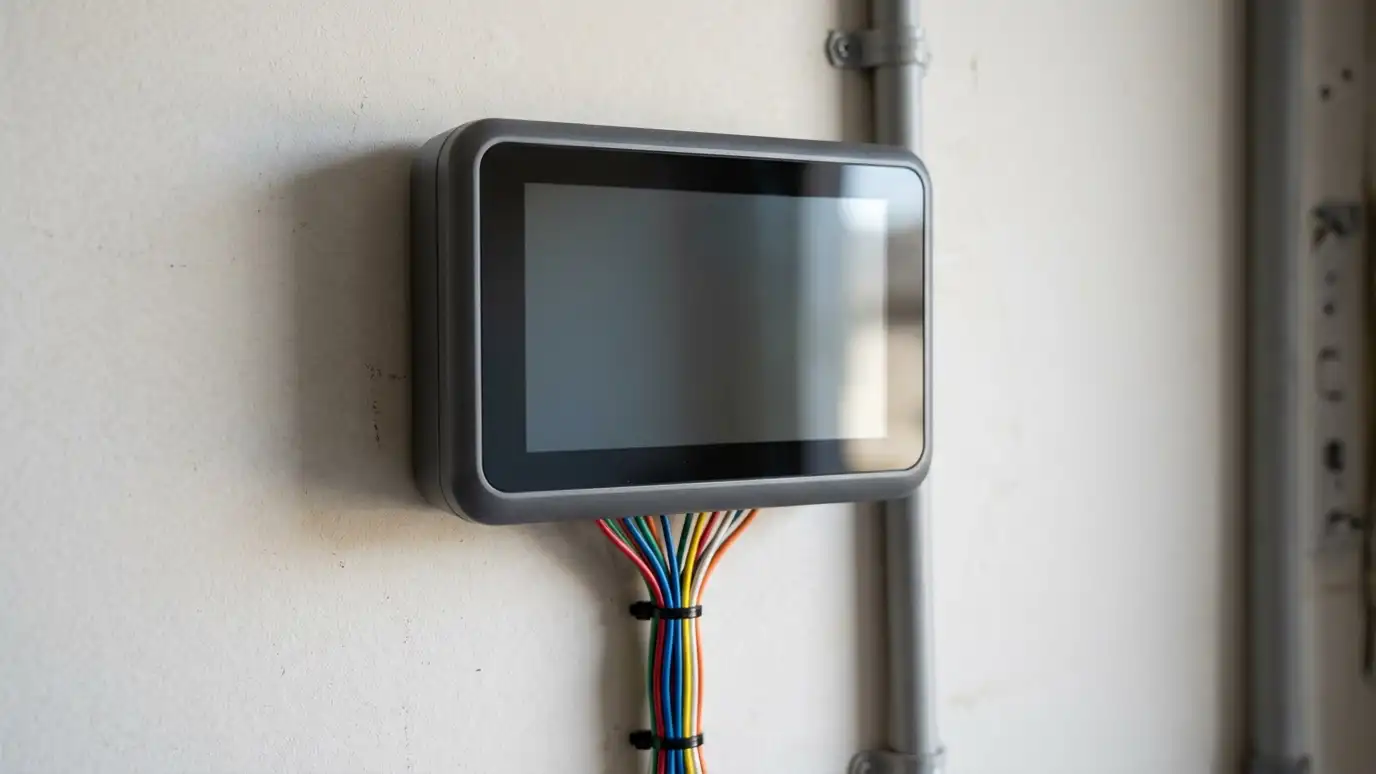 Equipment guideSmart ControllersSmart controllers adjust watering to weather and plant needs. Here is how they work and what to look…Learn more
Call us and we will walk your yard, test your water pressure and flow and give you a clear plan and a written scope for installation, repair or care.