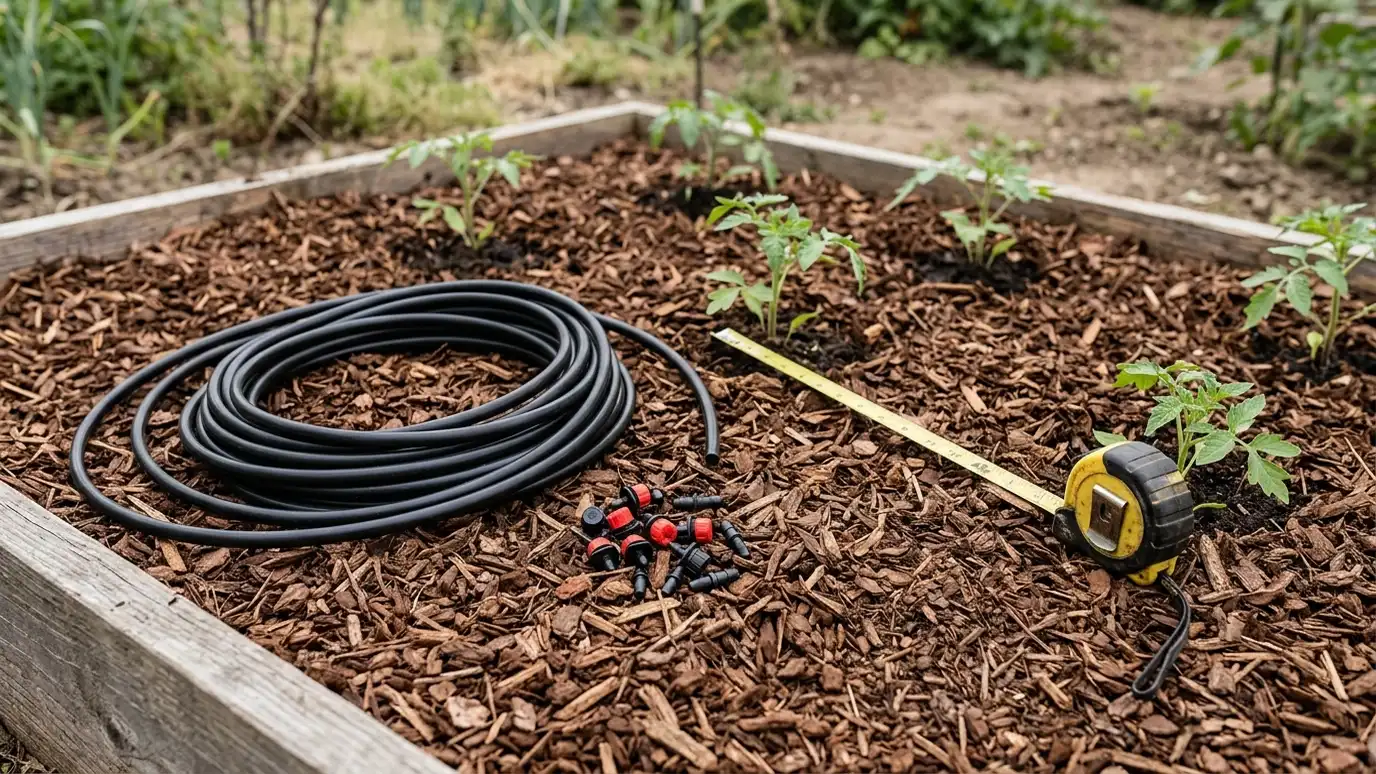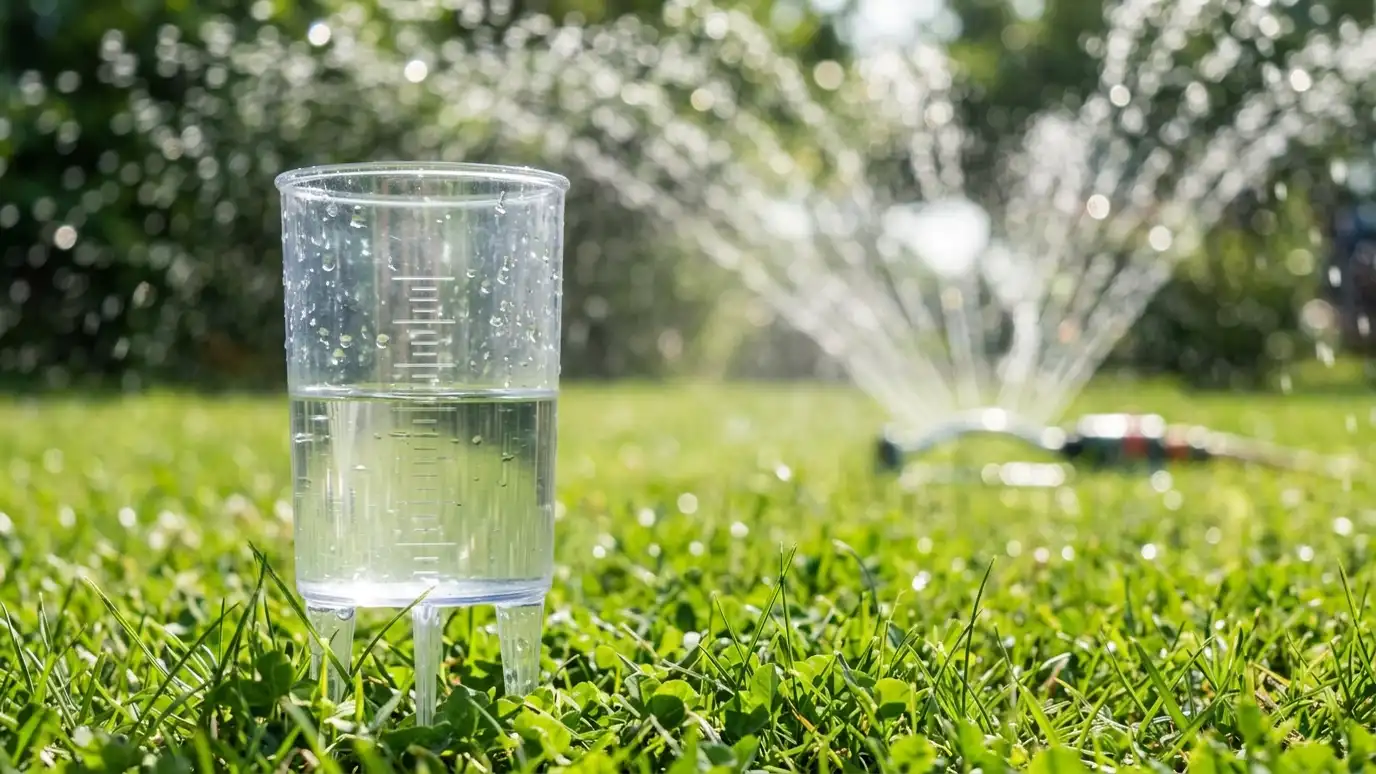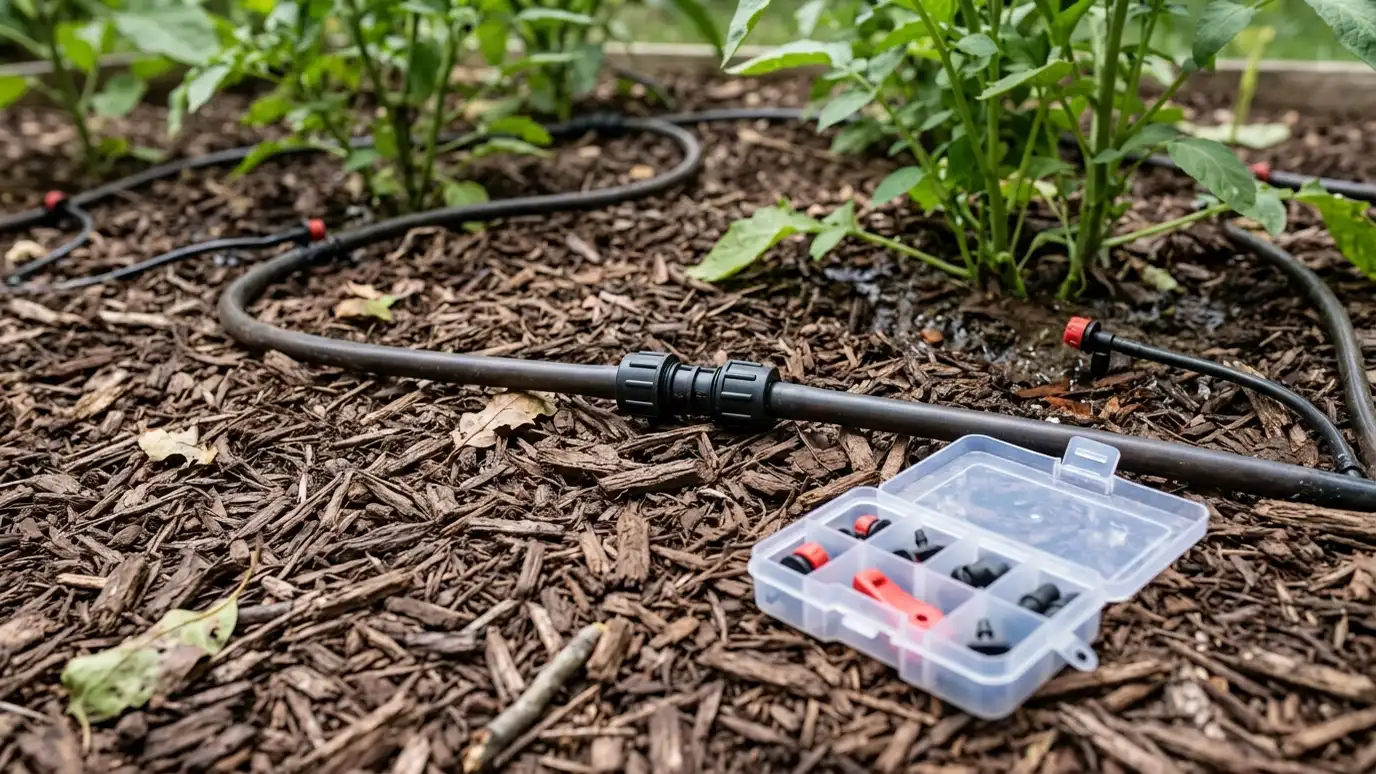
Clogged emitters, chewed tubing, popped fittings and dry plants fixed, with filters and flow checked so the drip system works again.
Drip systems are quiet when they work and hard to diagnose when they do not. Because the water is released slowly, you cannot see a problem the way you can with a spray head. Instead you see wilted plants, a bed that does not seem to get wet or a damp patch where a line has been chewed by an animal or cut by a shovel. Clogged emitters, popped fittings, dirty filters and high pressure are the usual culprits.
We walk each drip zone and check flow at the ends of the lines. We clean or replace filters, flush the lines, and replace clogged or missing emitters. Tubing that is split or chewed is cut out and repaired with proper fittings, and we check the regulator, because pressure that is too high pops fittings off the tubing. We also check that emitters are placed where plants need them now, since plants grow and beds change over the years.
We test the far ends of each line, which shows clogs and leaks quickly.
Dirty filters are the top cause of drip trouble, and flushing clears debris from the lines.
Split or chewed tubing is repaired with proper connectors, and loose fittings are secured.
We move or add emitters as plants grow so the water reaches where it is needed.
Drag the handle to compare.
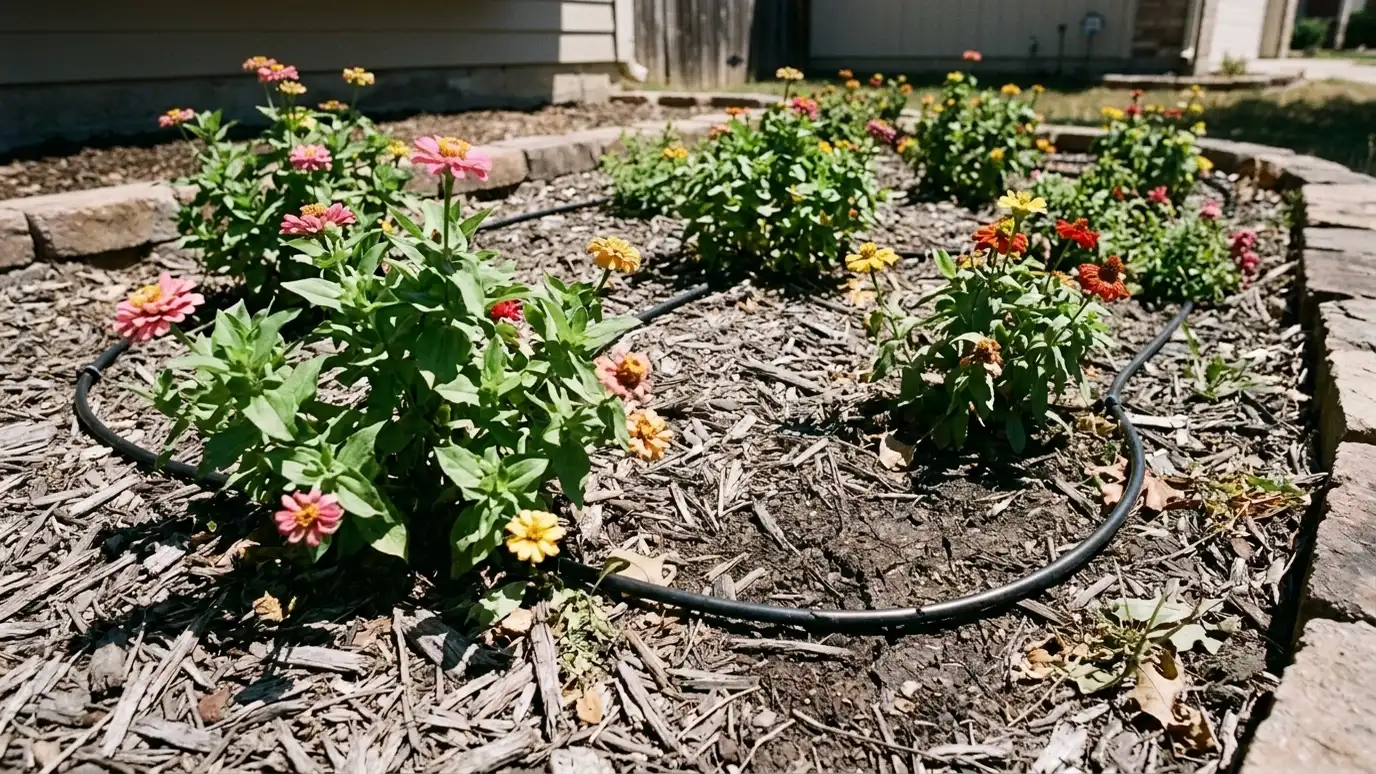
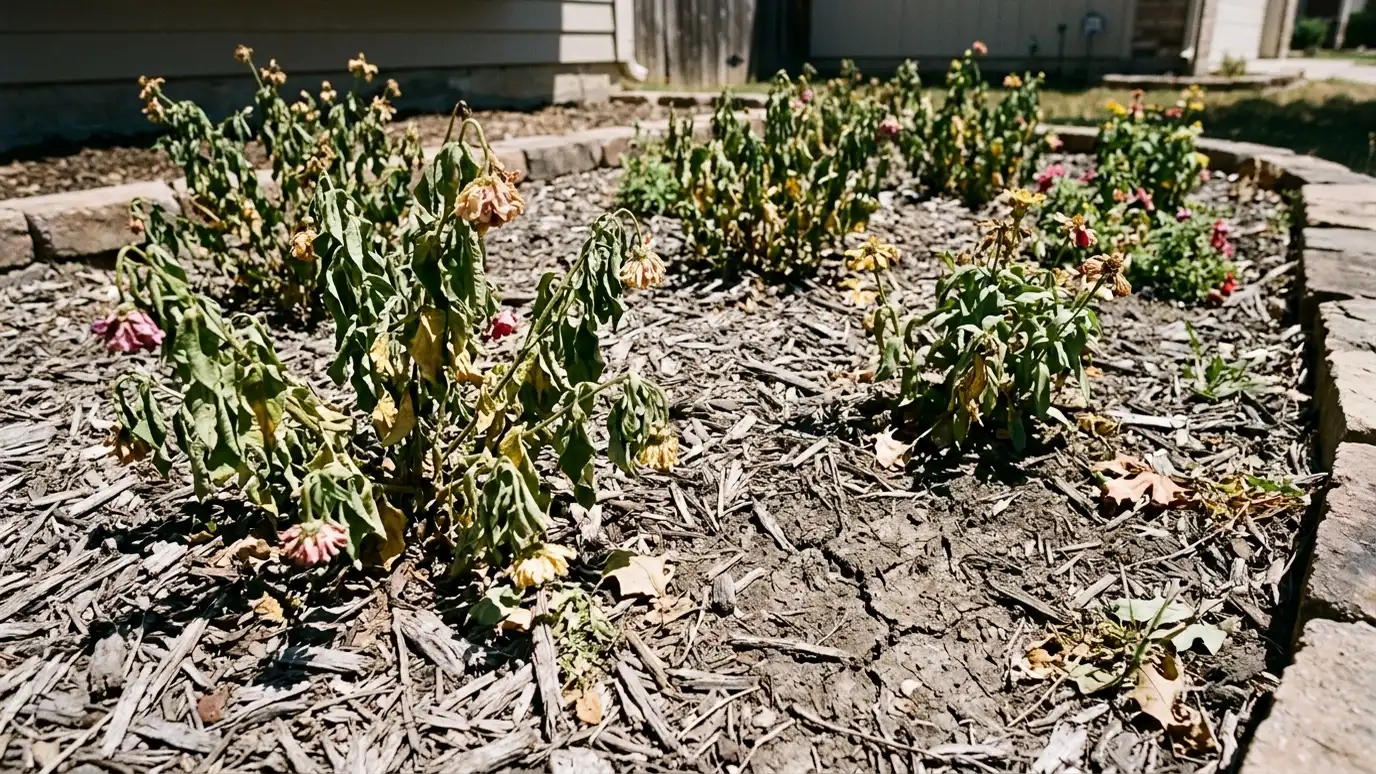 BeforeAfter
Proper fittings.
Filters and emitters.
Regulator tested.
Emitters repositioned.
Line by line.
Keep it running.
Every topic has its own page with what to expect and how we approach it.
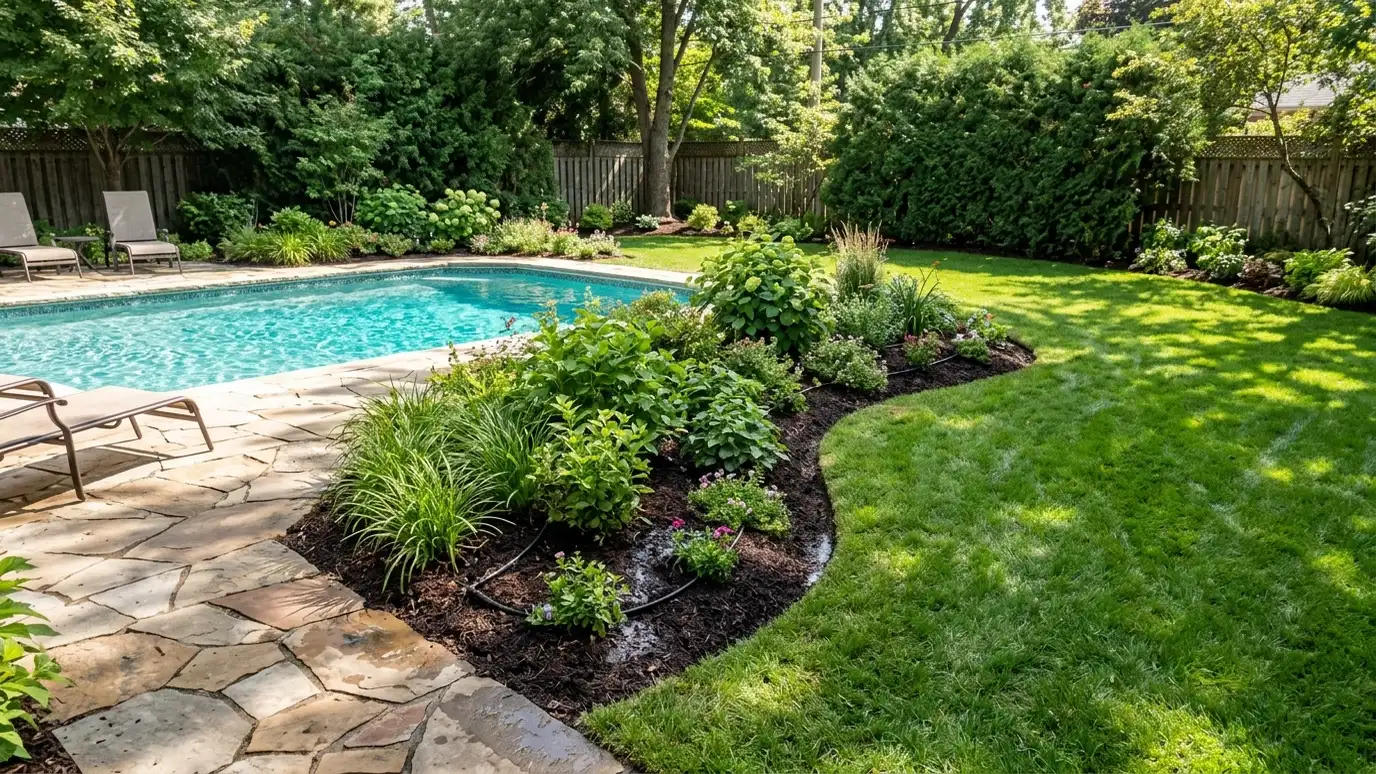 Home situationPool and Patio LandscapesPools, patios and outdoor kitchens need irrigation that keeps beds green and spray off surfaces. Here is how…Learn more
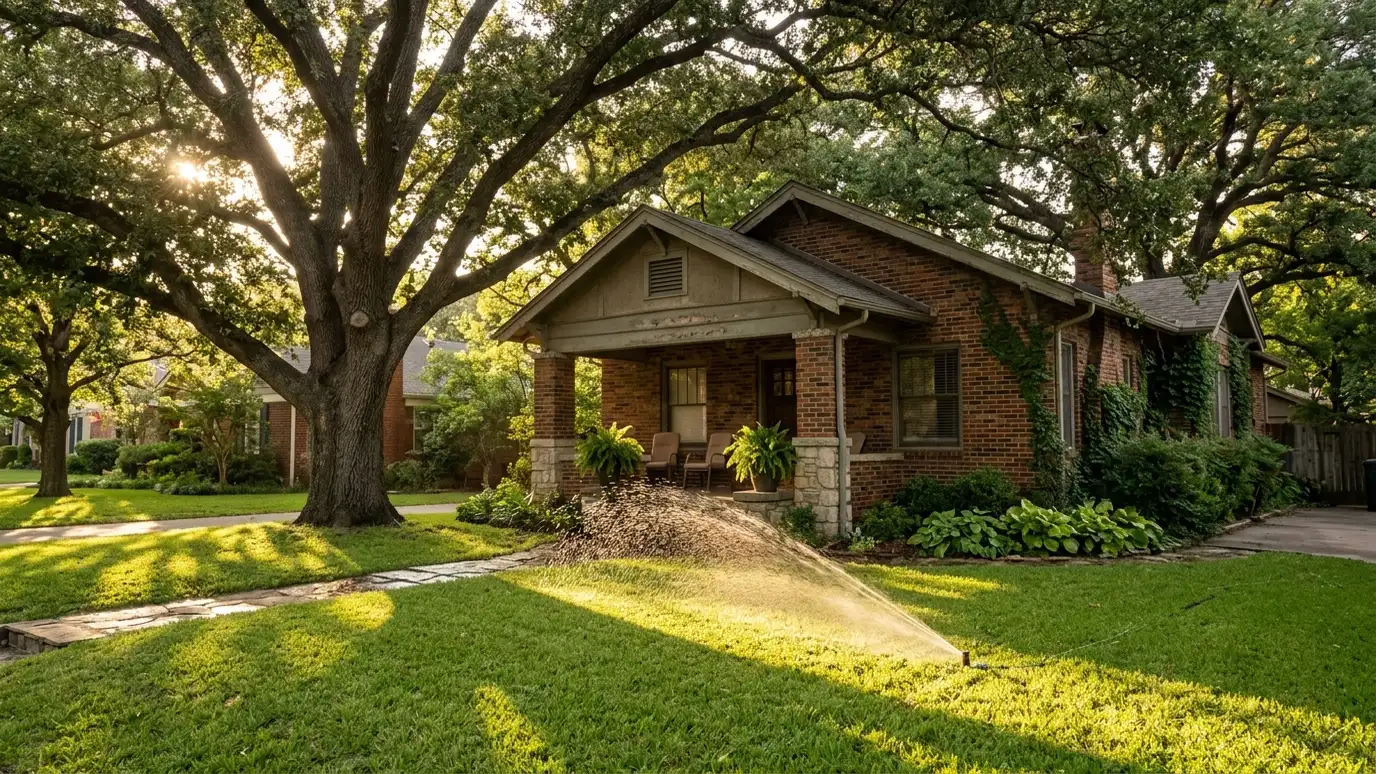 Home situationOlder Homes and Existing LawnsMature lawns, old systems and tree roots call for careful work. Here is how to add or renew…Learn more
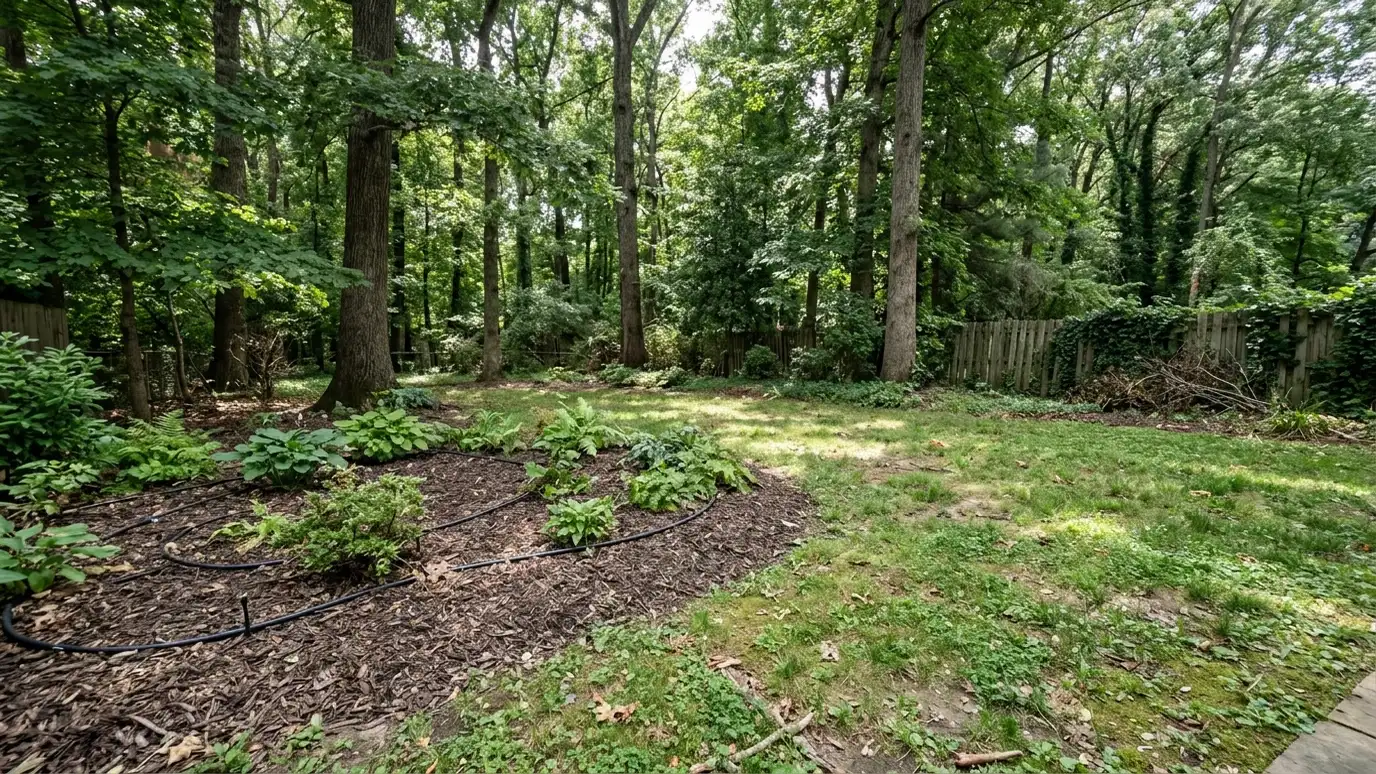 Home situationShaded and Wooded LotsTrees change how much water a yard needs and where it should go. Here is how to irrigate…Learn more
Check the signs you see in your yard and get a likely cause with the next step.
You tell us about your yard and what you want, a new system, a repair or a tune-up, and we set a visit that fits your day.
We walk the property, find the water source and valves, test pressure and flow, look at every head and zone and take photos of anything of note.
We explain your options for zones, heads, drip, controllers and savings, sketch the layout and give you a written scope with clear timing and pricing.
We arrange for underground utilities to be located, protect the lawn, driveways and beds and mark every head, valve and pipe run before we dig.
We install or repair pipe, valves, heads and wiring with the right parts for each zone, flush the lines and keep the site tidy as we work.
We program the controller, test every zone with you, walk through watering and winterizing in plain steps and set a reminder for your next check.
Emitters may be clogged, a line may be cut or the zone may not be running long enough. A flow test finds out.
Look for wet patches, a drop in flow at the end of the line and chewed or split tubing.
Pressure may be too high. A regulator at the zone valve protects the tubing and fittings.
They can. Squirrels, rodents and dogs sometimes chew tubing. We repair it and secure lines where we can.
At least once a year, and more often with well or pond water.
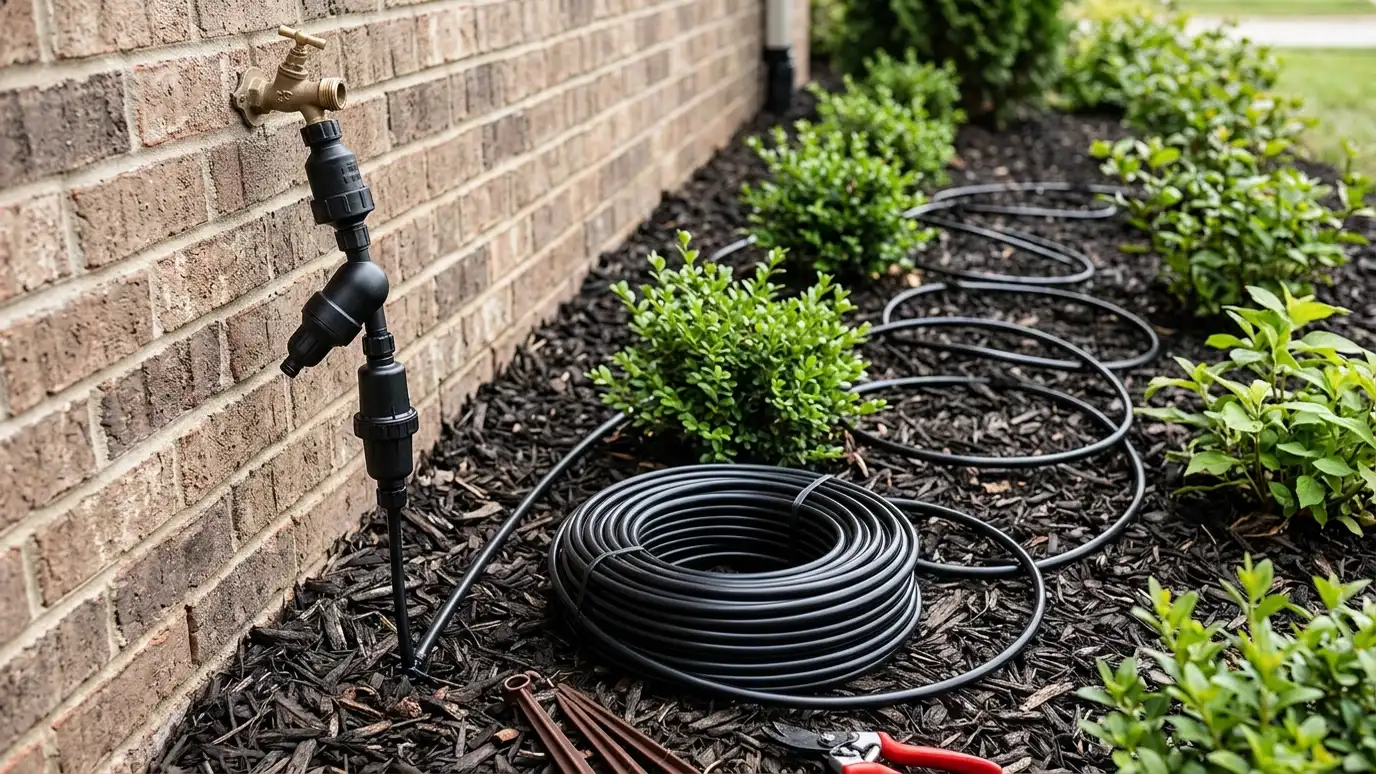 Drip InstallationDrip systems for beds, shrubs, trees, gardens and containers, designed with filters and regulators so every plant gets…Explore
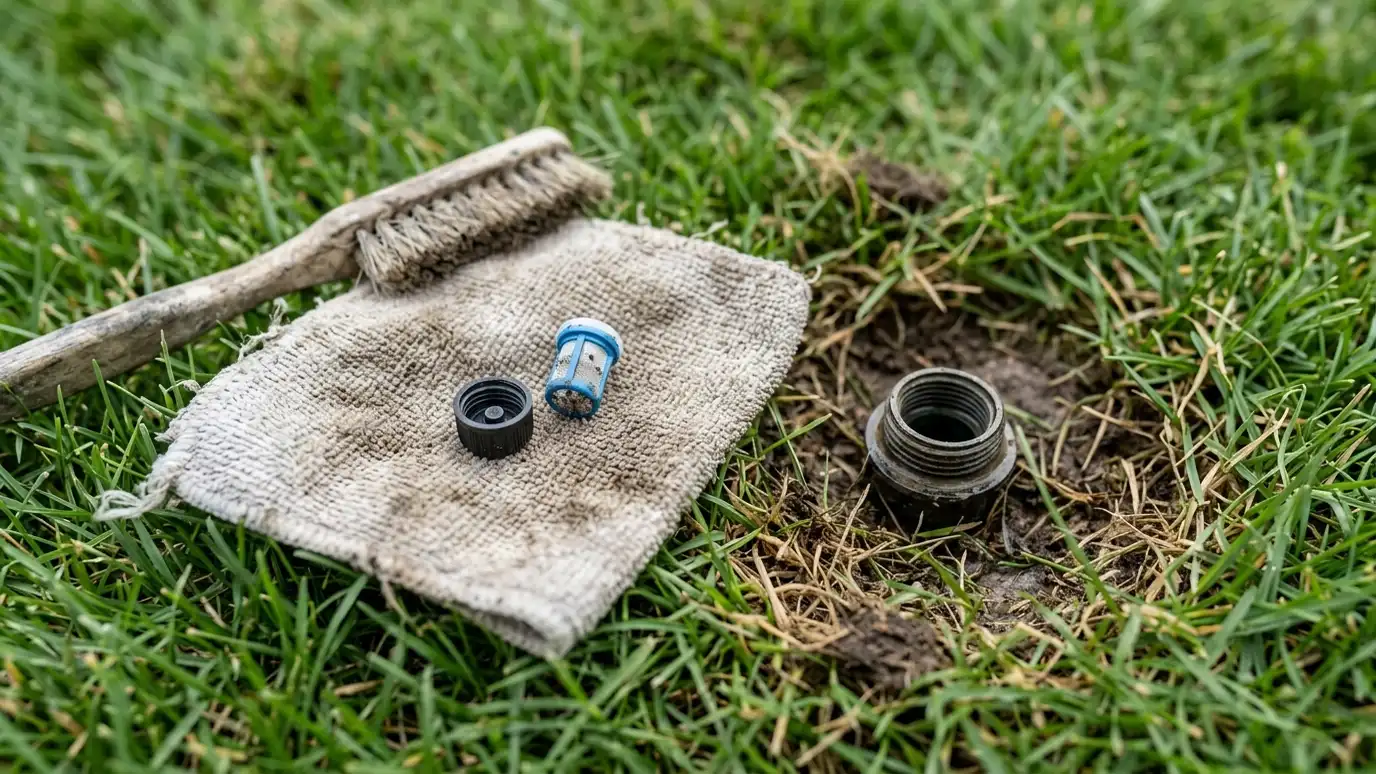 Nozzle and Filter CleaningClogged nozzles, screens and filters cleaned or replaced so spray patterns return to normal and coverage is even…Explore
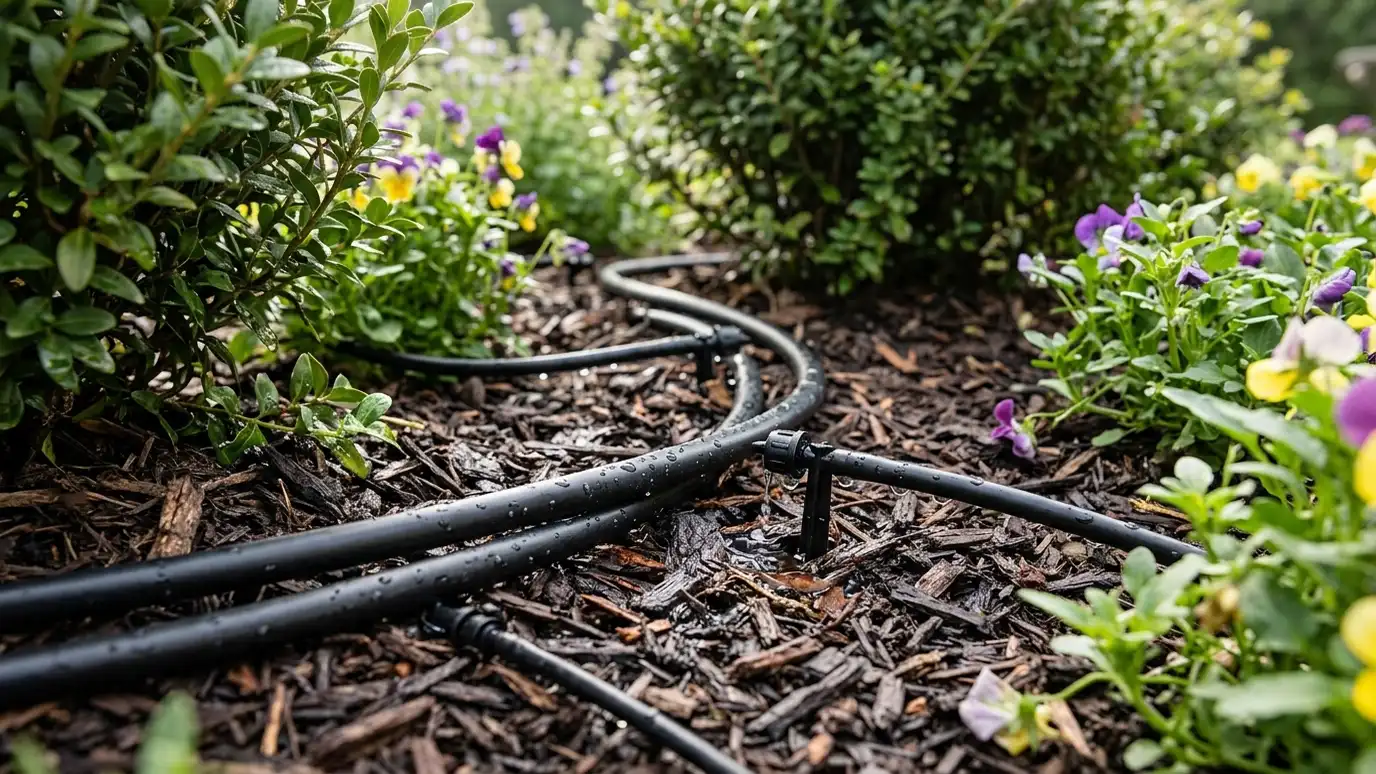 Bed and Shrub IrrigationDrip and micro-spray watering for flower beds, shrubs, trees and gardens, delivered slowly at the roots where plants…Explore
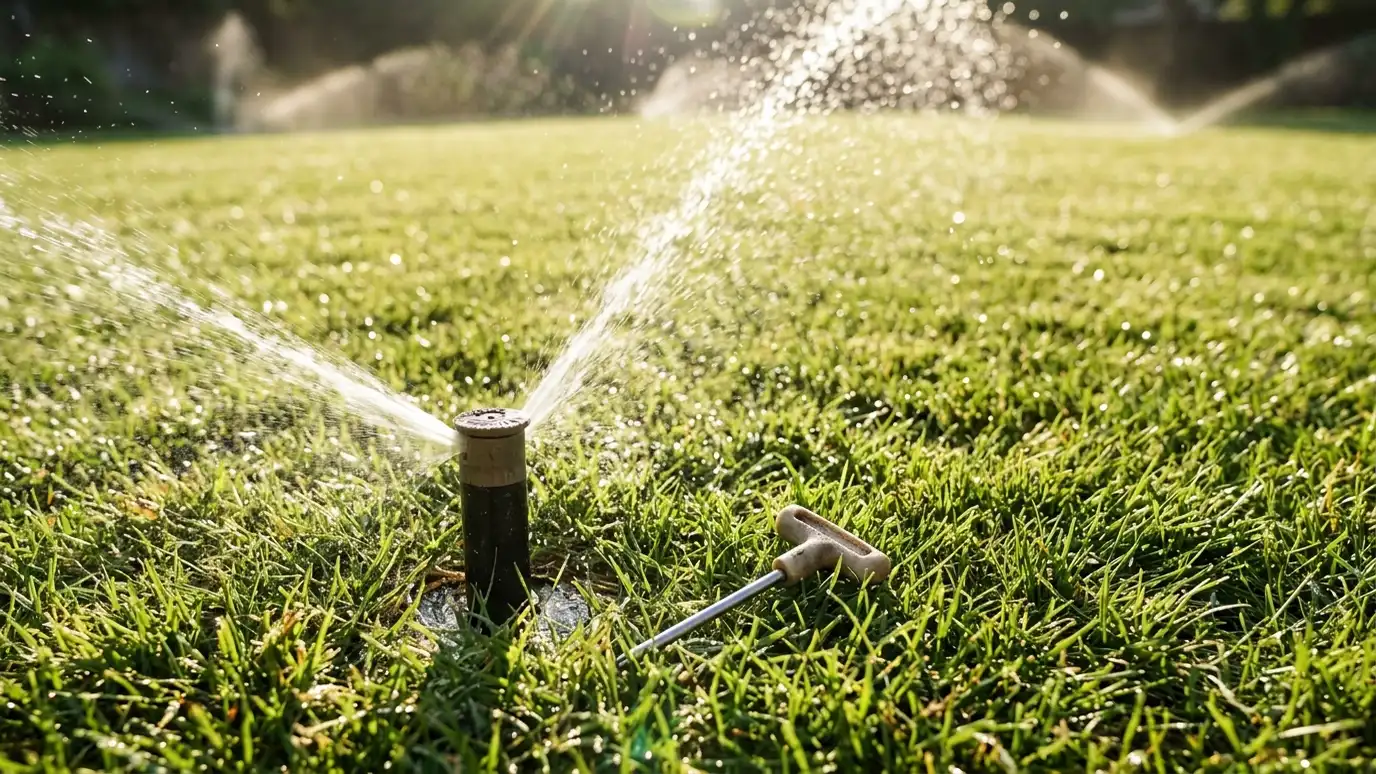 Mid-Season Tune-UpA summer checkup that cleans nozzles, adjusts heads, fixes small leaks and resets schedules, keeping your lawn green…Explore
Tell us about the project and we will call you back to talk it through.
Or call (615) 357-7797 to talk now.