Why backflow matters
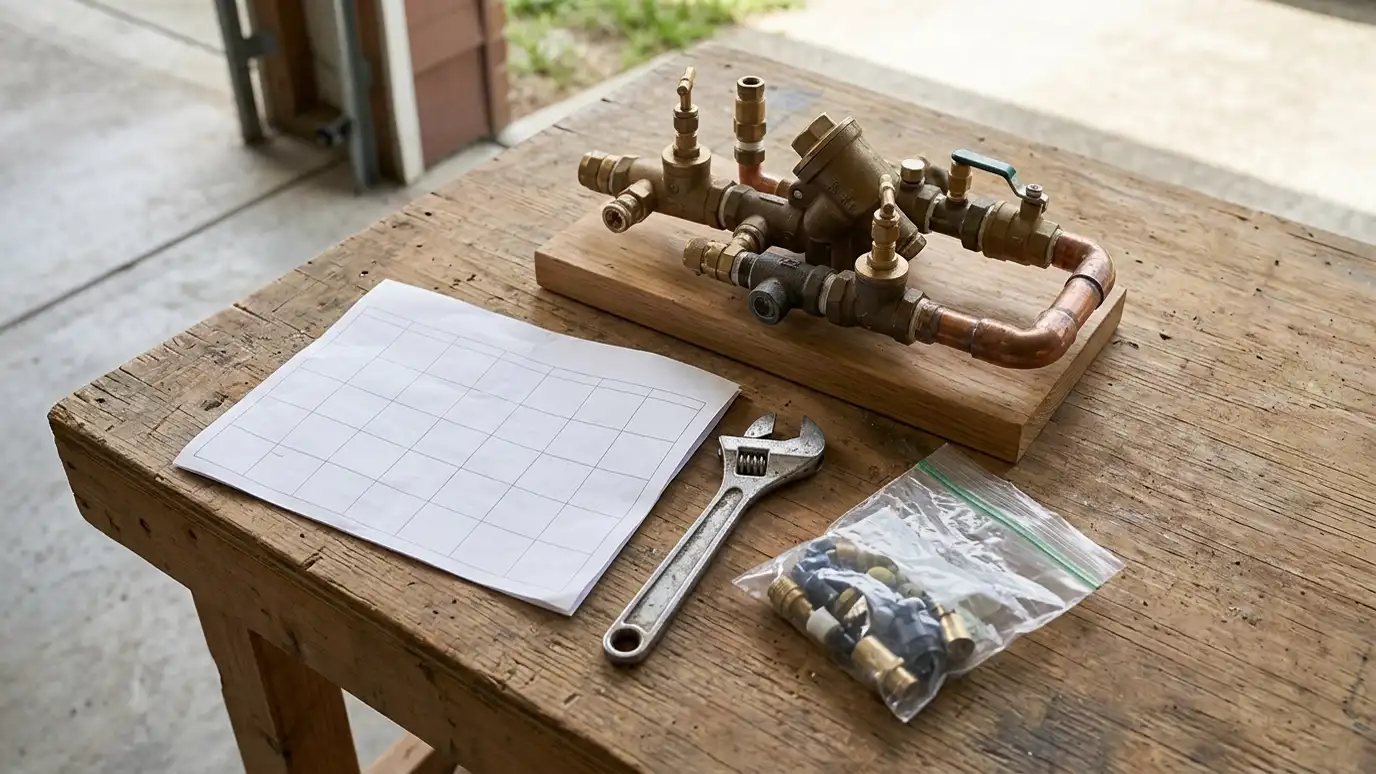
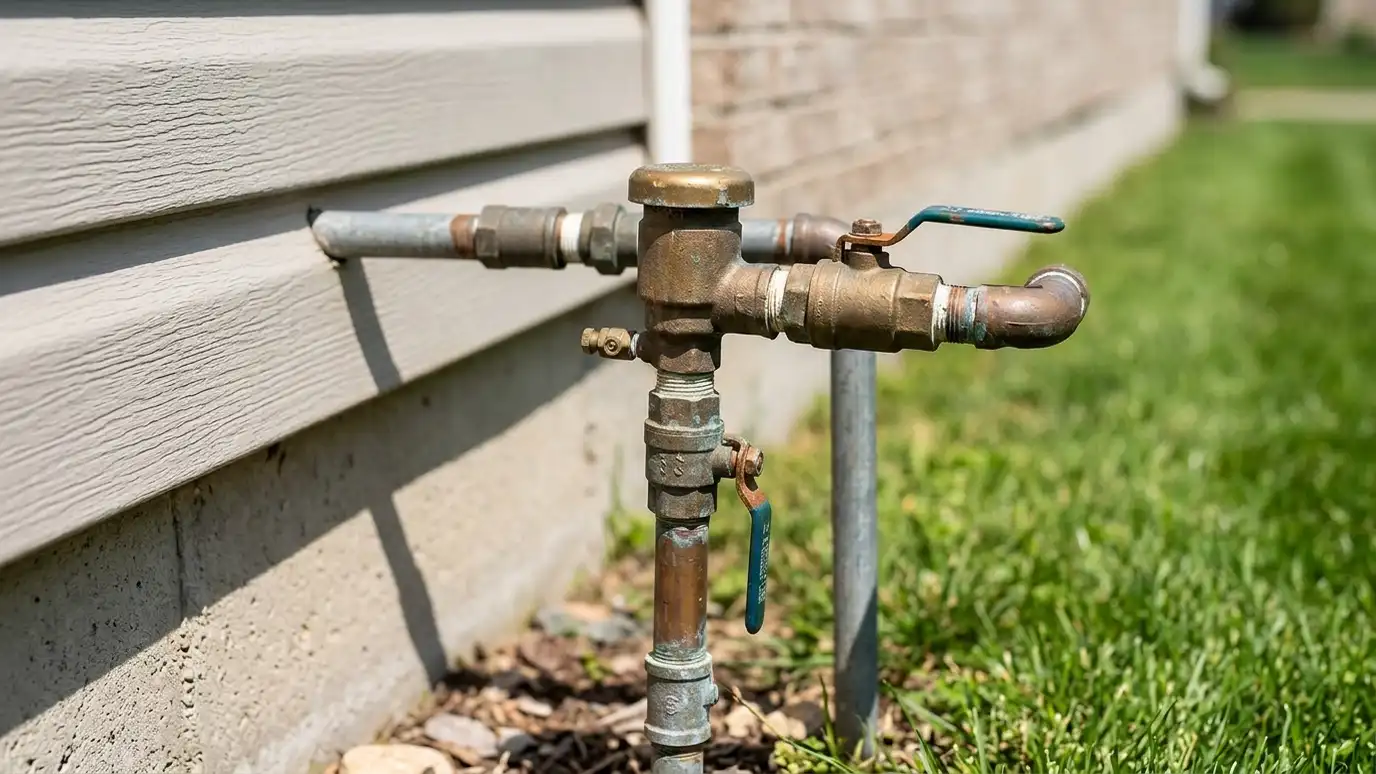
Irrigation water can pick up fertilizer, pesticides, bacteria and soil. If pressure drops in the public water line, that water could flow backward into the drinking supply. A backflow device prevents it.
It is a public health safeguard, which is why providers regulate it.
Types of devices
Common types are the pressure vacuum breaker, the double check assembly and the reduced pressure zone device. Each fits different risk levels and installation rules, such as height above the highest head.
Your provider decides which is acceptable for your property.
Testing and reports
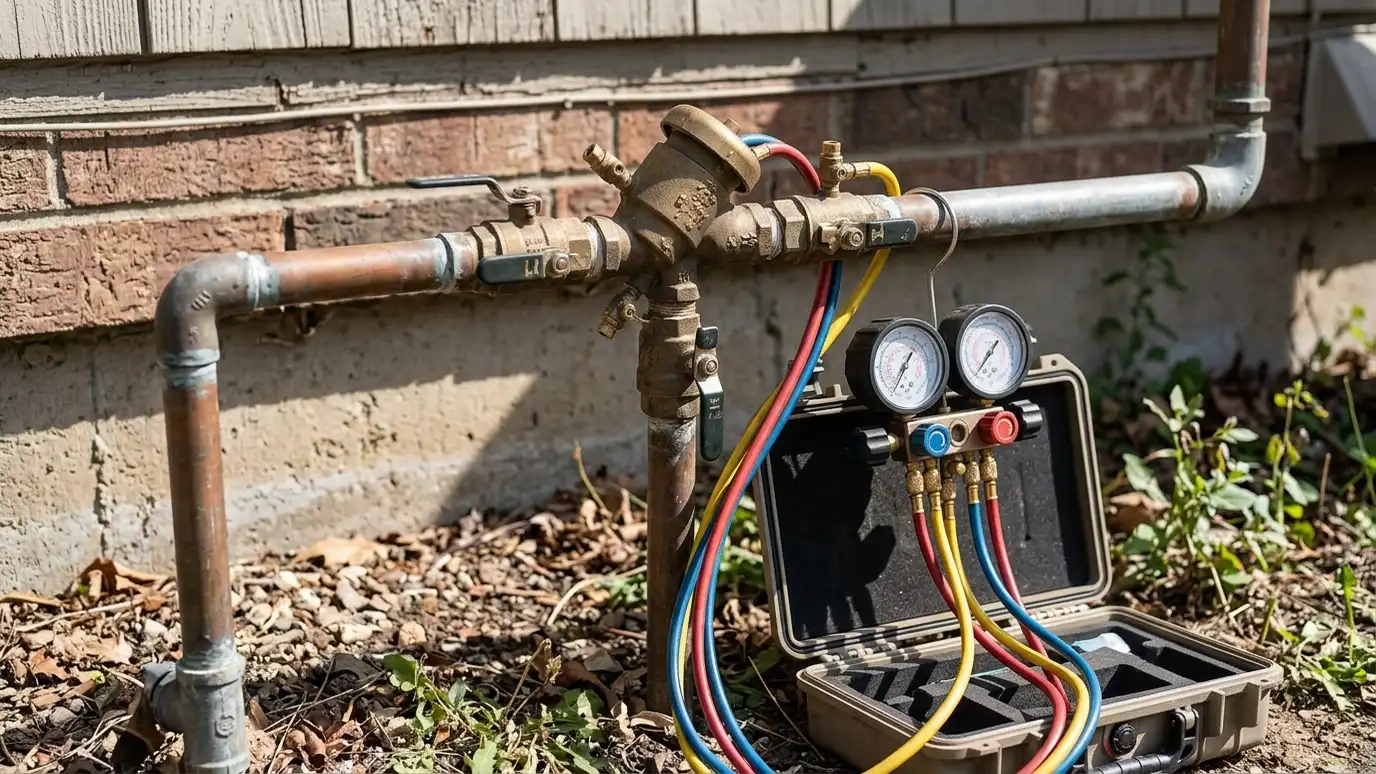
Many providers require testing on a schedule, often yearly, by a certified tester, with a report. Devices wear and can fail even if they look fine from outside.
We can test and prepare the report, and remind you each year.
Irrigation meters
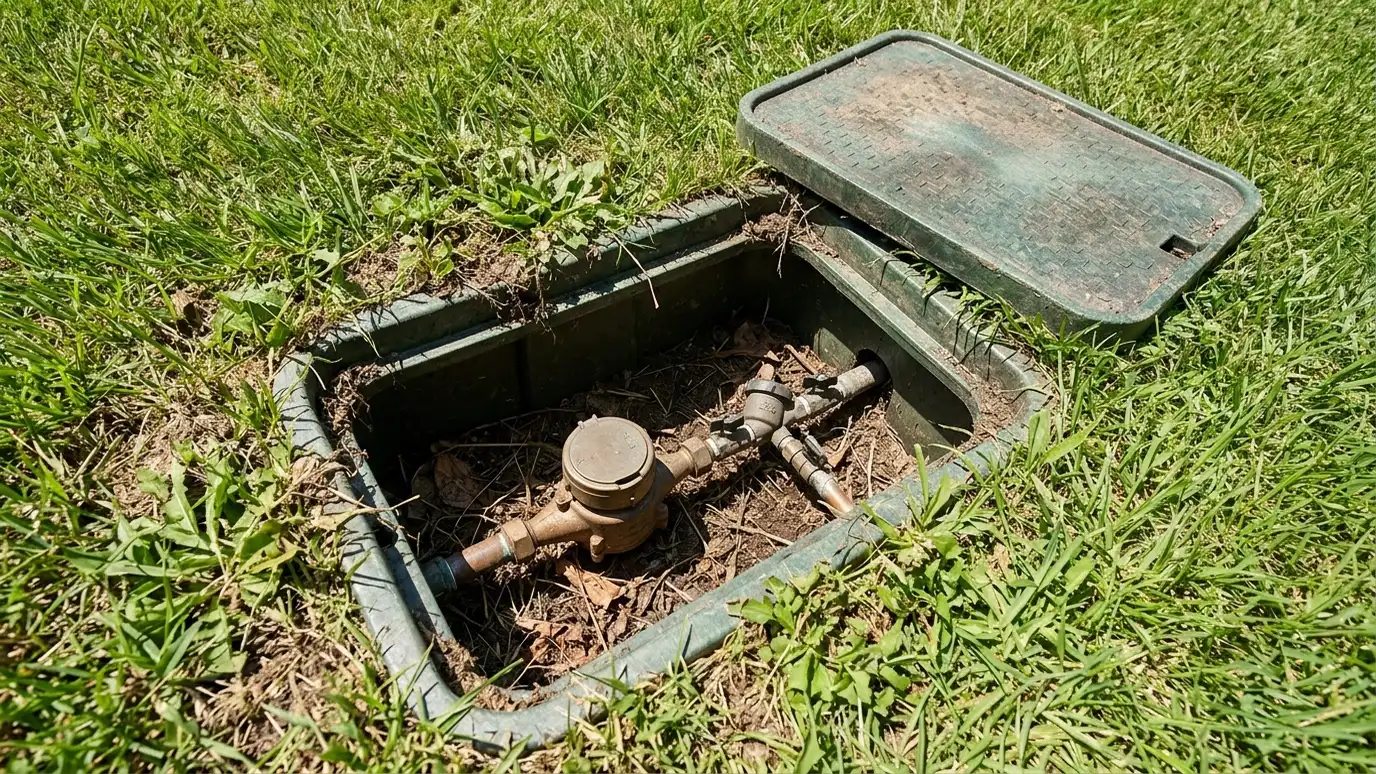
Some properties install a second meter for irrigation, so outdoor water is not billed for sewer service where the provider allows this. It can save money on heavy irrigation, but requires a tap, a meter and local approval.
It does not suit every property, and we explain how to decide.
Permits and approvals
Cities, counties, providers and associations may require permits, plans or approvals. Requirements vary, and they can change. Asking before you start avoids delays.
We help prepare what is needed and point you to the right office.
Winter protection
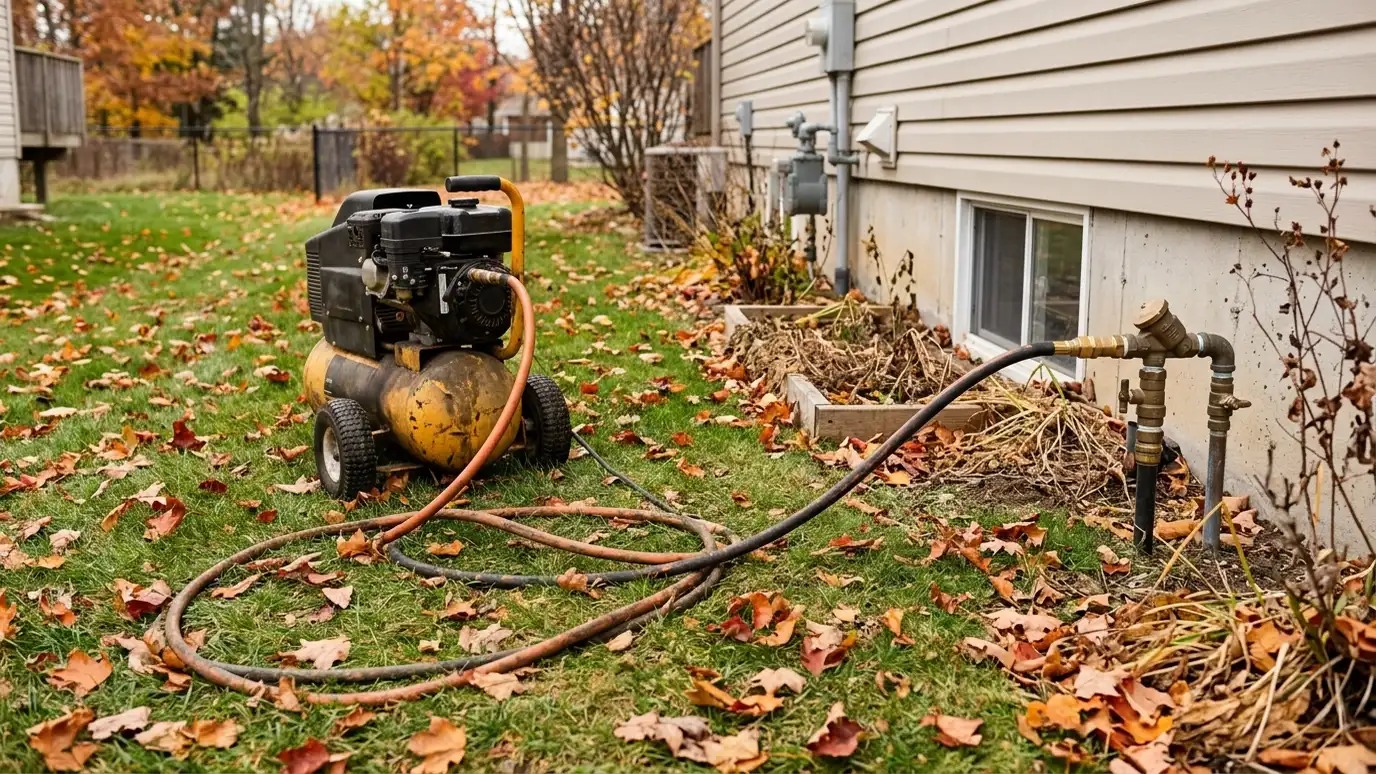
Above-ground devices must be drained and protected from freezing, or they crack and stop protecting the supply. Insulating covers help.
A professional winterization includes the backflow device.
Know your provider rules, keep the device tested and protect it from freezing.