
What makes a controller smart
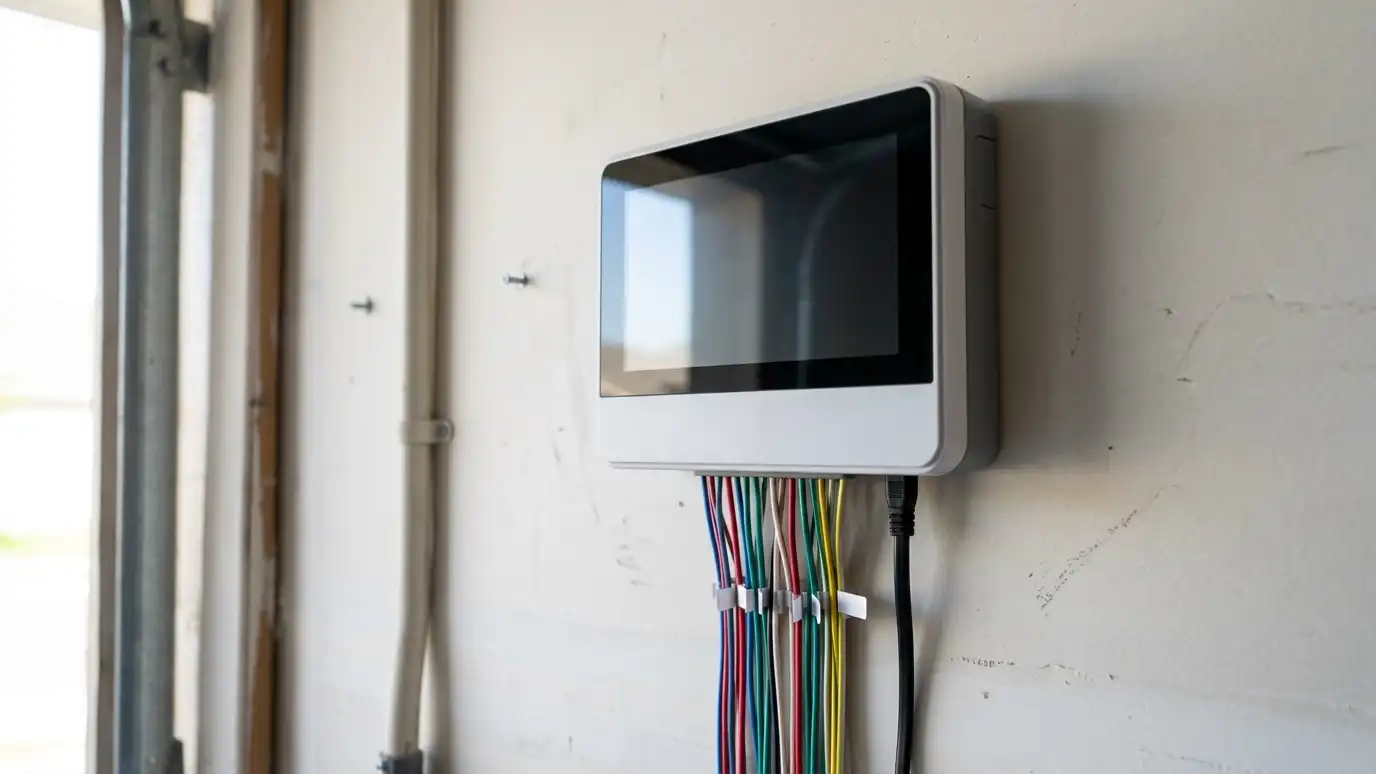
A smart controller connects to the internet and uses weather data and zone settings to adjust watering. It can skip cycles after rain, shorten runs in cool weather and lengthen them in heat.
Many also have apps, alerts and usage reports.
How much can it save
Savings depend on how wasteful the old schedule was. Yards that were watered on a fixed timer through rain and cool spells often see the biggest drop. Yards already well tuned see less.
Savings are real only if the system itself waters evenly.
What it cannot fix
A smart controller cannot see a broken head, a clogged nozzle or poor coverage. It cannot make clay soil absorb faster either. If zones are misaligned or mismatched, the controller will schedule water that still lands in the wrong places.
Fix the system first, then add the smarts.
Choosing one
Choose based on the number of zones, whether you have a master valve or flow sensor, how much control you want and how reliable your Wi-Fi is. Look for local weather data, simple setup and a fallback schedule.
We recommend models based on your yard and explain the trade-offs.
Setup matters most
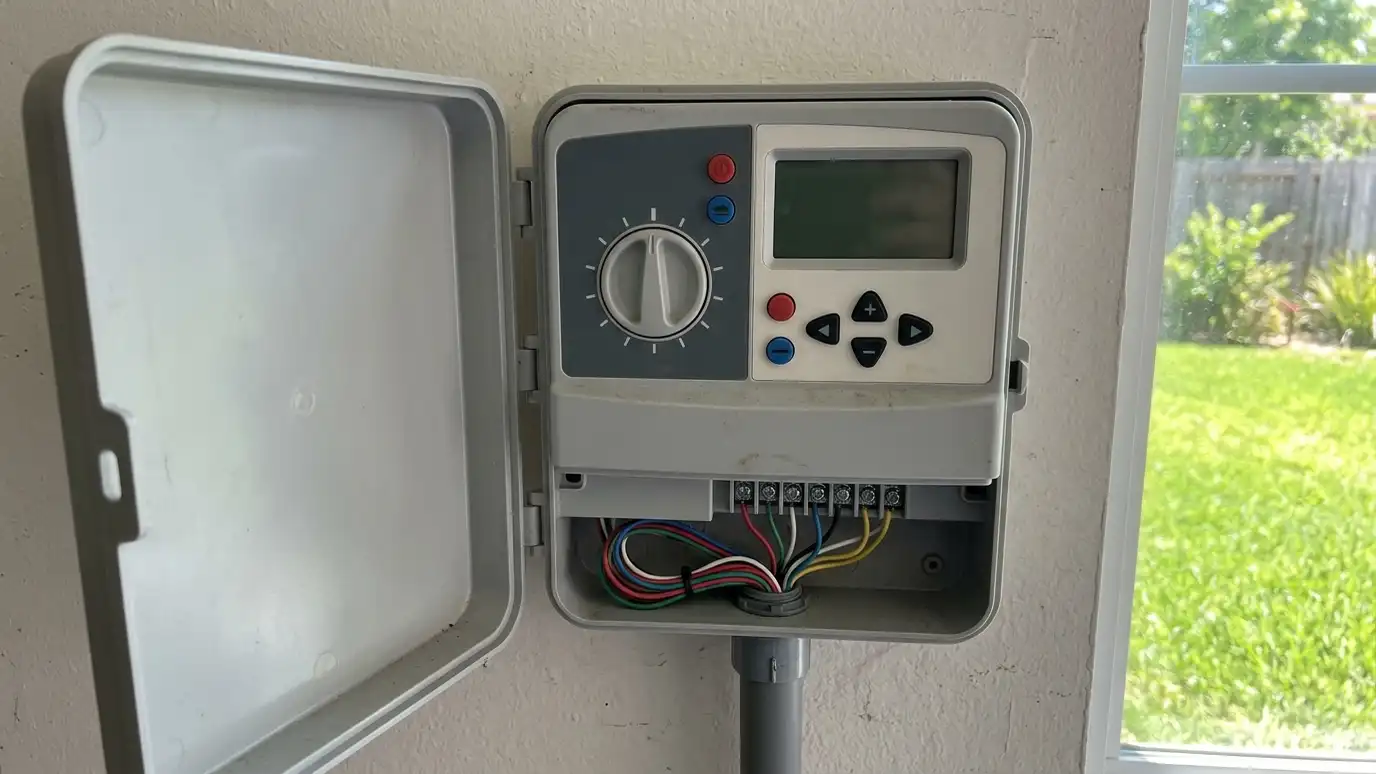
Zones must be entered correctly: plant type, head type, soil, slope and sun. Poor setup produces poor results. We spend most of an install visit on this step.
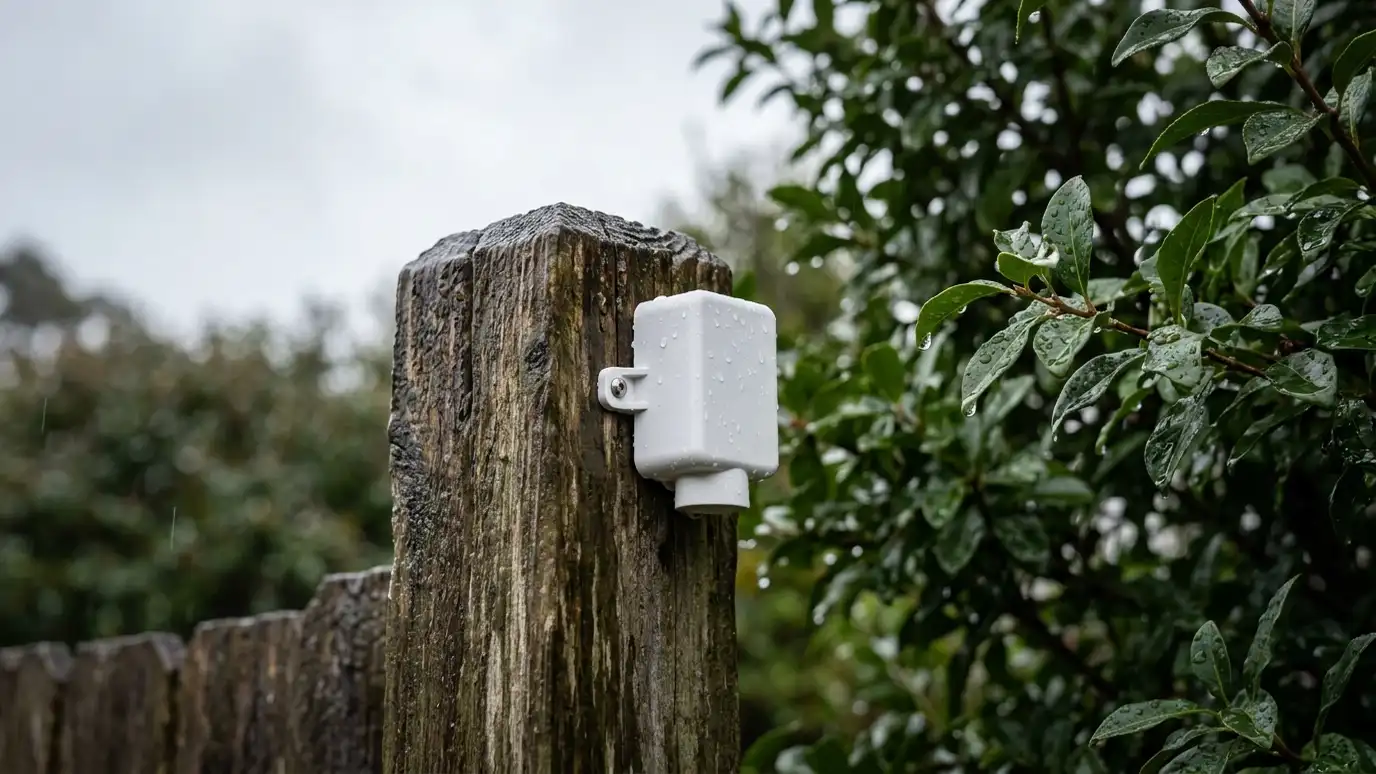
We also test sensors and leave you with a clear explanation of how it works.
Living with it
Check the app now and then, update settings when you add plants and review the season. Keep a copy of your settings, and keep the controller powered in winter if it needs to stay connected.
If the internet goes down, the controller still runs its stored schedule.
A smart controller helps most when the system underneath is tuned, so fix coverage first and then add the smarts.