Start with a tune-up
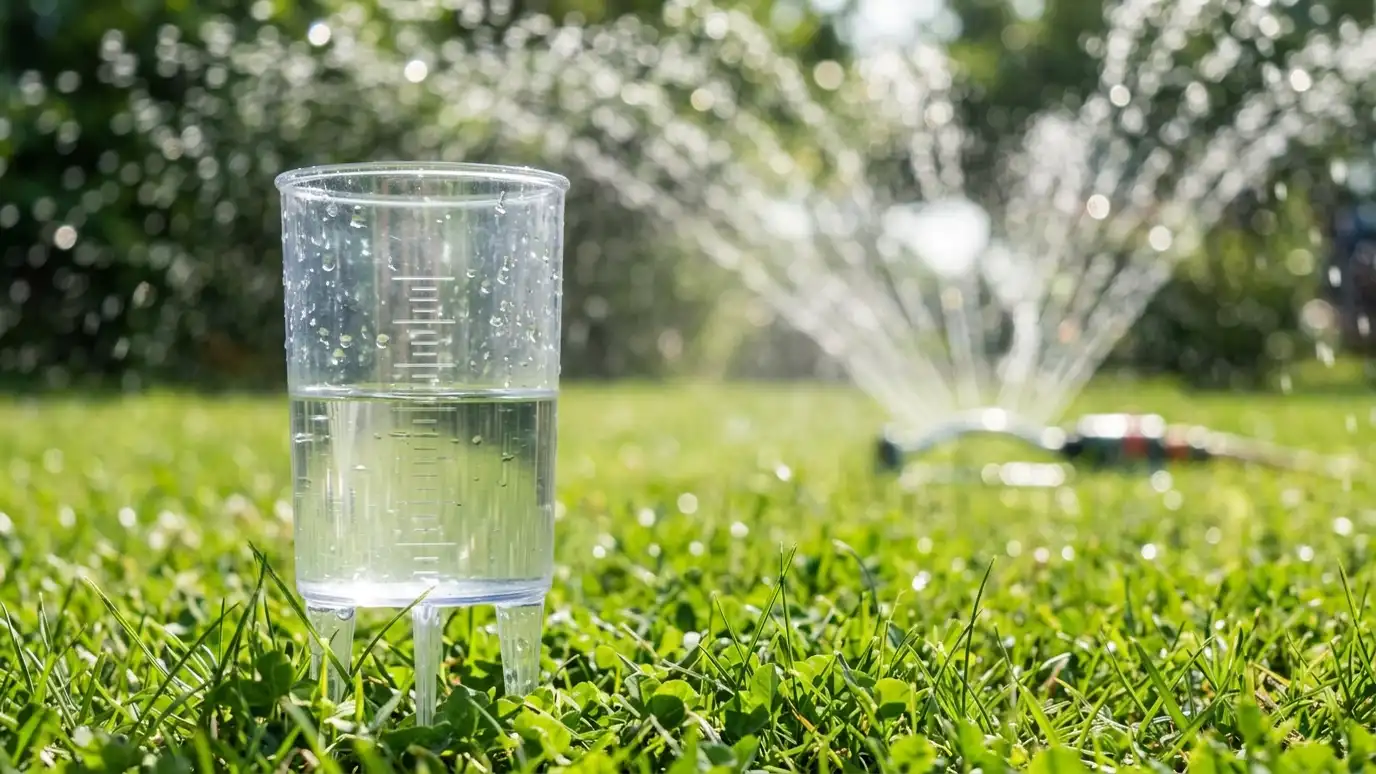
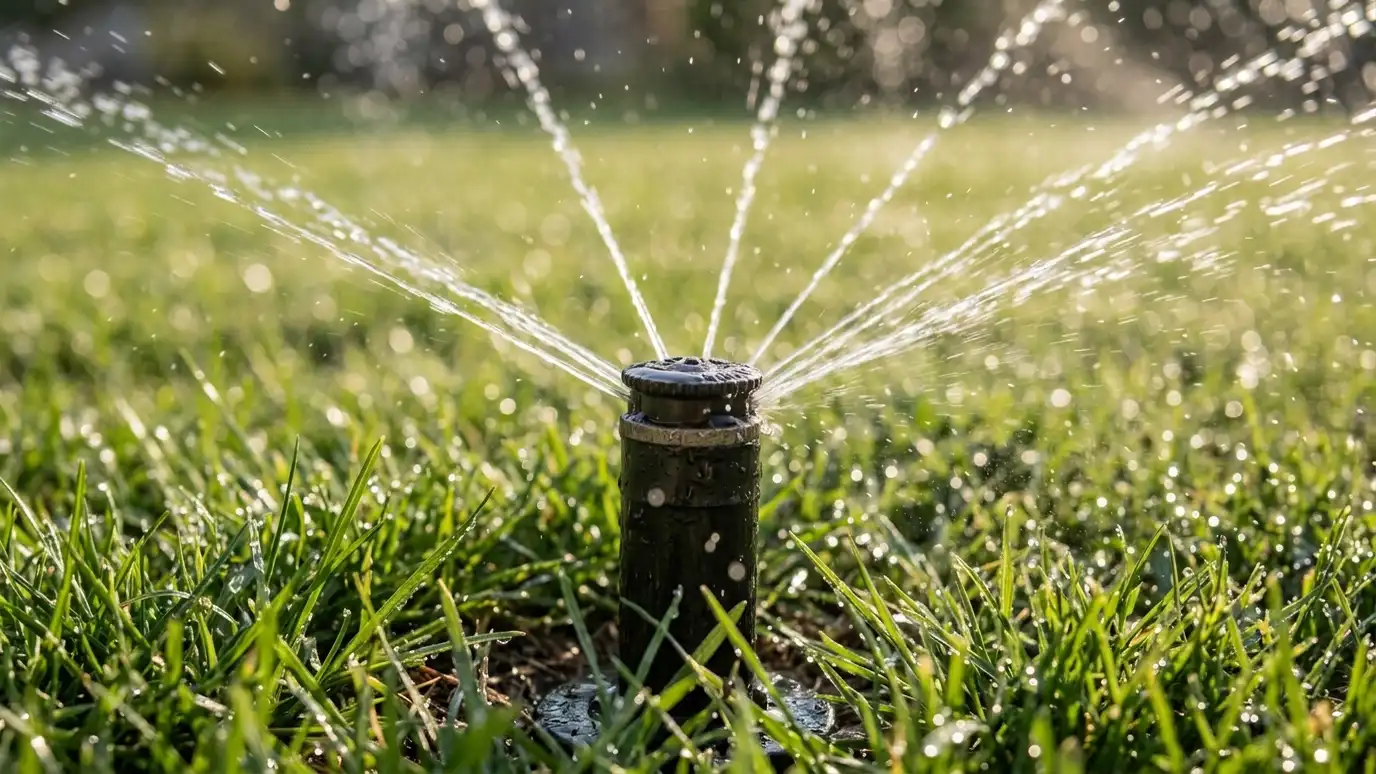
The lowest-cost savings come from fixing leaks, adjusting heads and cleaning nozzles. Water that lands on pavement or leaks into the ground helps nothing.
A tune-up often finds waste that has gone on unnoticed for years.
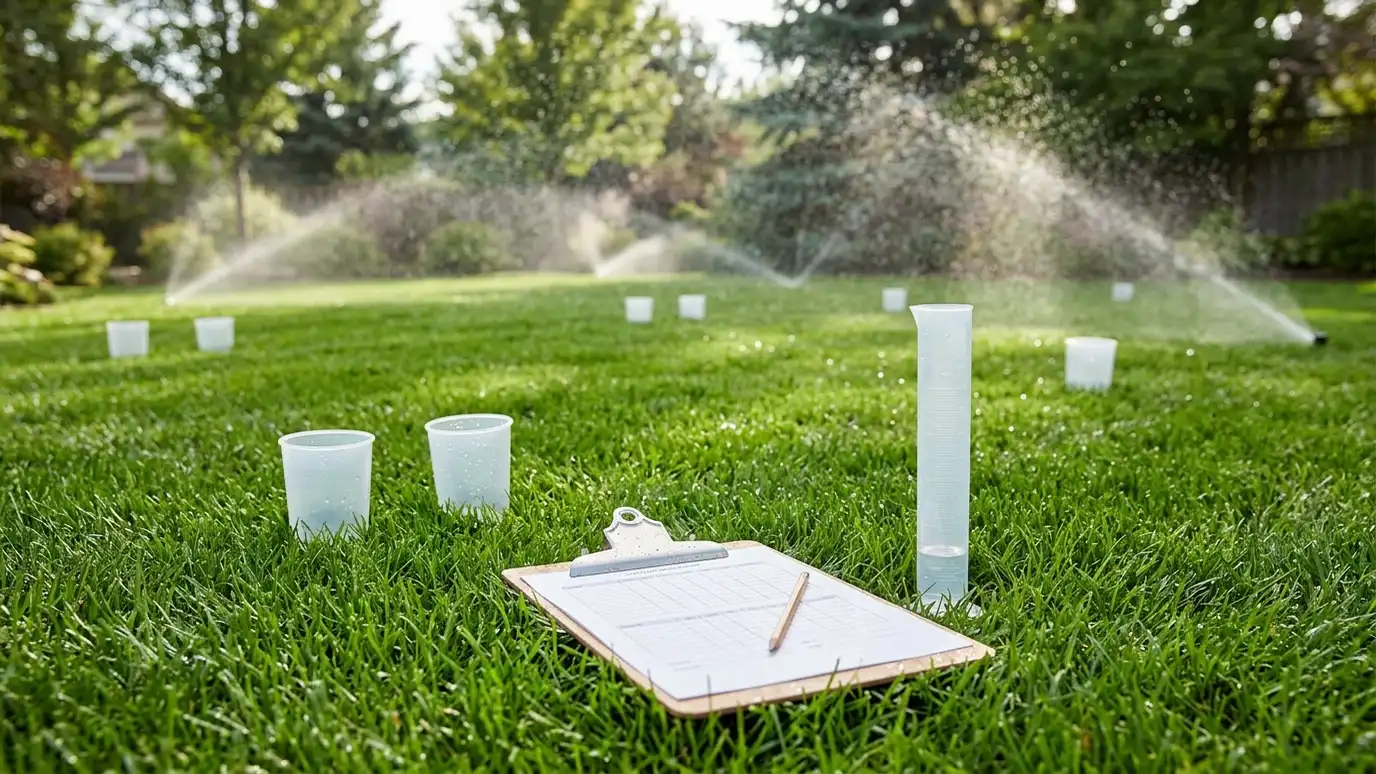
Match nozzles and pressure
Mixed nozzles give uneven watering, and uneven watering makes owners run zones longer. Matching nozzles and controlling pressure fixes it. High-efficiency nozzles apply water slowly and in larger drops.
Regulation stops misting.
Water by plant need
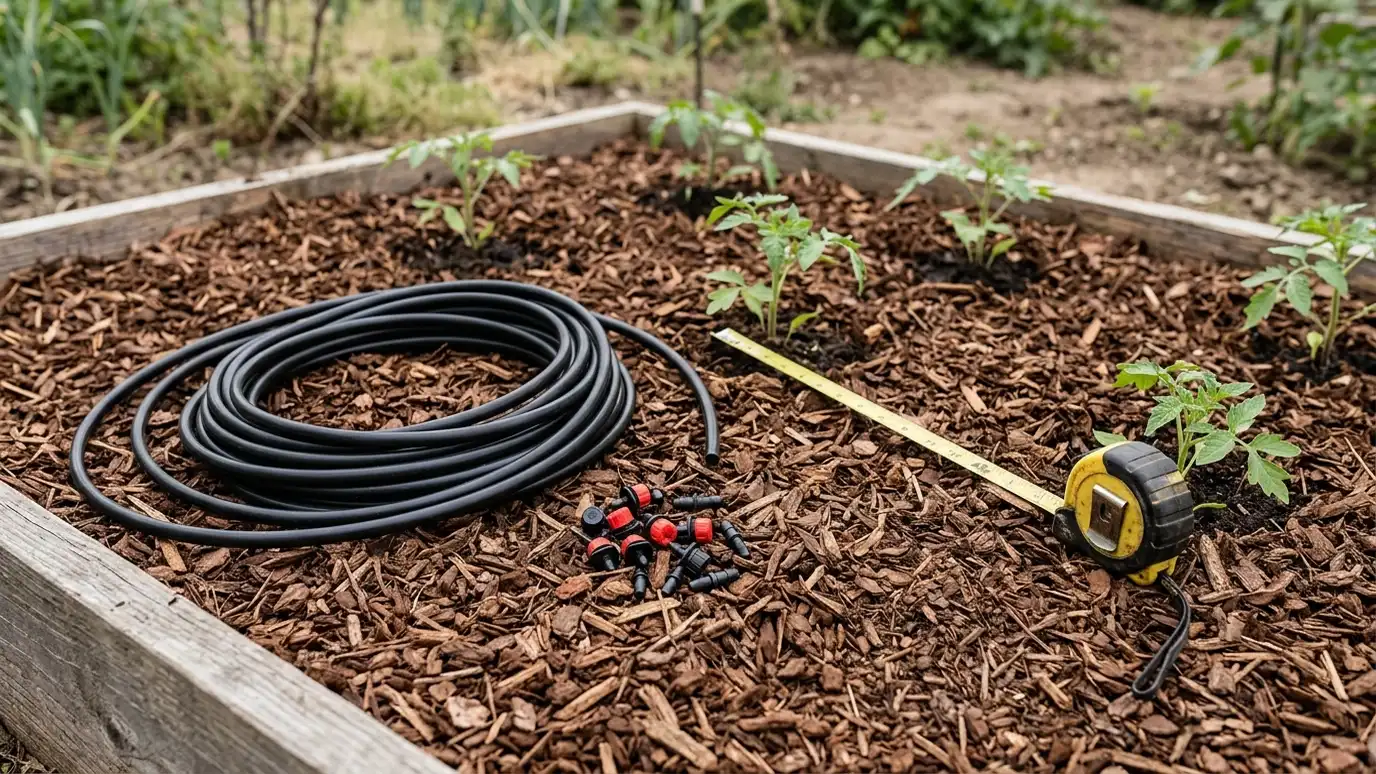
Group plants with similar needs together, and put beds on drip. Lawns, shrubs and trees should not share a zone. Separate zones for sun and shade save water by letting each area run only as long as it needs.
Drip in beds uses a fraction of the water that sprays do.
Use sensors and smart controls
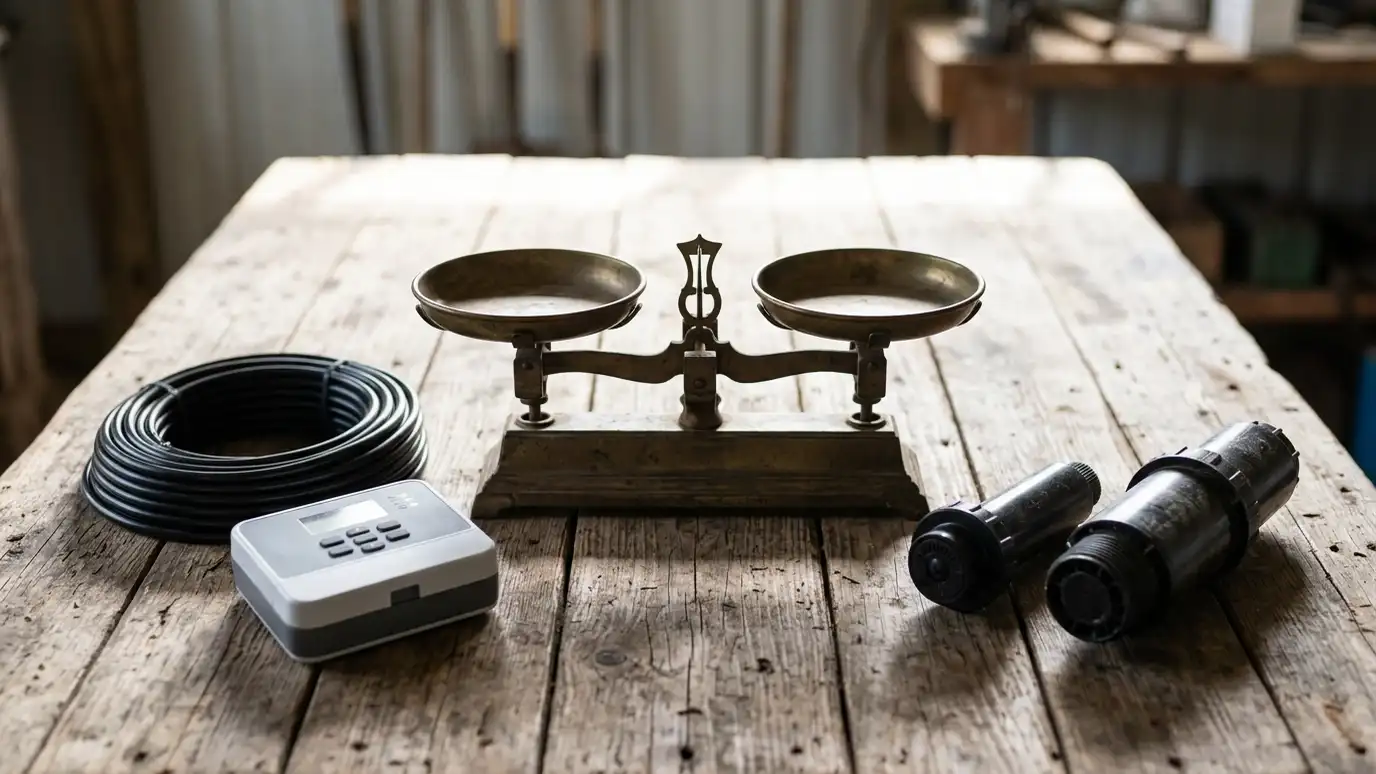
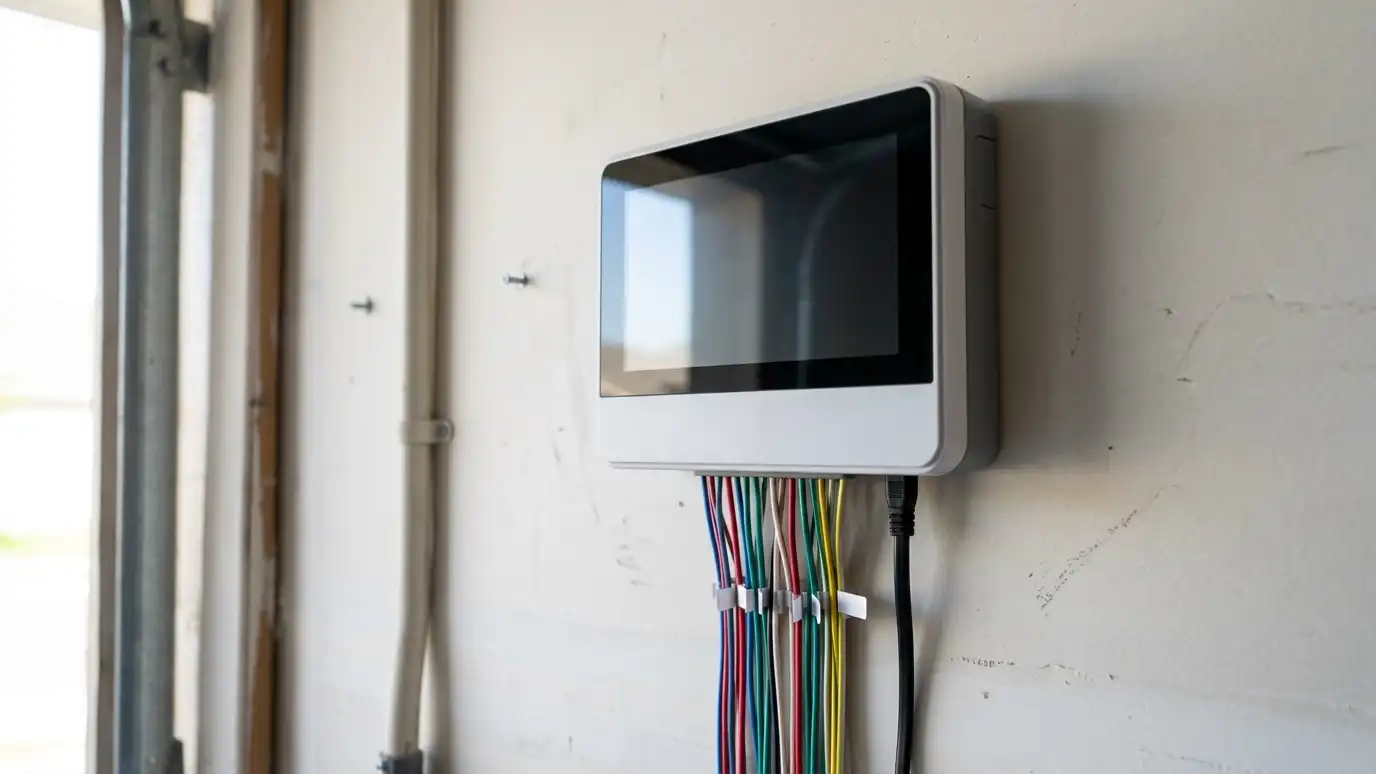
Rain sensors stop watering during storms. Soil moisture sensors skip cycles when soil is wet. Smart controllers adjust to weather. Flow sensors shut down leaks.
Together they remove the biggest sources of waste.
Water at the right time
Early morning watering loses the least. Use cycle and soak on slopes and clay. Water deeply and less often, so roots grow down.
Adjust the schedule each season, and do not water after rain.
Keep the landscape working with you
Mulch beds, keep the lawn a little taller, aerate clay and choose plants suited to the site. Healthy soil holds water better.
Over time, these habits reduce what the lawn and beds need.
Fix waste first, match your heads and zones to plant needs, and let sensors handle the weather.